Peppermint Oil Uses: 25 Refreshing Ideas for Home and Body
Peppermint oil earns its place on the shelf for a simple reason: nothing else smells quite that crisp. One drop and a room feels brighter, a bath feels colder, a tired afternoon feels a little more awake. If you've just picked up your first bottle and are wondering what to do with peppermint oil beyond the basics, this guide walks through 25 practical peppermint essential oil applications for the body and around the house.
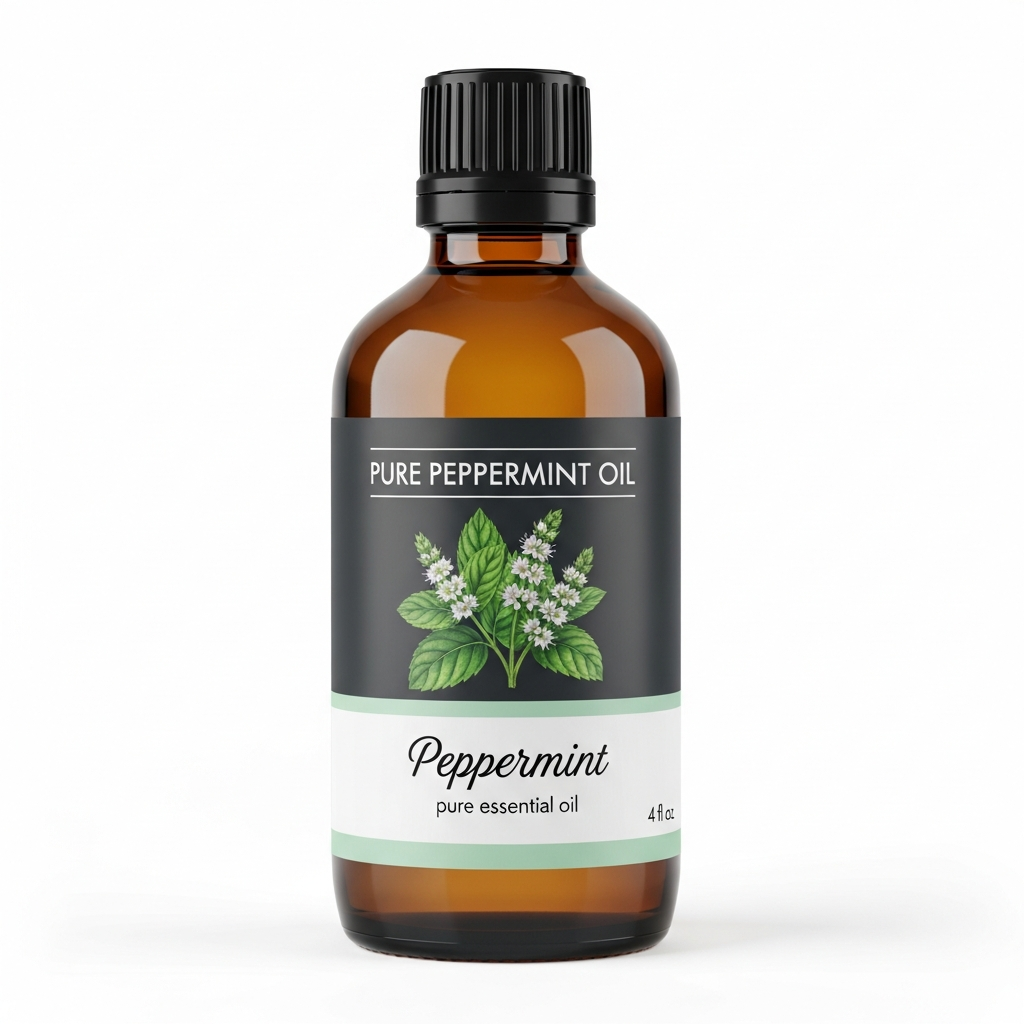 Peppermint Essential Oil
Our own Peppermint Essential Oil, in sizes from 0.5 oz to bulk. From $8.84.
Shop Now →
Peppermint Essential Oil
Our own Peppermint Essential Oil, in sizes from 0.5 oz to bulk. From $8.84.
Shop Now →
A quick note before the list: peppermint oil is potent. A little goes a long way, and it should always be diluted in a carrier oil (think jojoba, sweet almond, or fractionated coconut oil) before it touches skin. We'll flag dilution and safety details as they come up, but if you're new to essential oils generally, it's worth reading a full safety primer first and checking with a qualified healthcare provider before regular use, especially if you're pregnant, nursing, or caring for young children.
Peppermint Oil Uses for the Body
Most peppermint oil uses on the body come down to one thing: that cooling, tingling sensation menthol is known for. Here's how people work it into a daily routine.
- Cooling scalp massage. Mix a drop or two into a tablespoon of carrier oil and massage into the scalp before a wash. Many people find the tingle a pleasant part of a wind-down evening.
- Diluted hair rinse. Add a drop to your usual conditioner for a scent boost and a cool finish on rinse-out.
- Foot soak. A few drops in warm water with Epsom salt makes for a refreshing end-of-day foot soak, especially after a long day on your feet.
- Cooling body oil. Blend into a lightweight carrier oil for a post-shower body oil that feels bright in warm weather.
- Post-workout cool-down blend. Diluted and massaged into tired legs or shoulders after exercise, peppermint's cooling sensation is a favorite among people who like a brisk finish to a workout.
- DIY beard oil. A drop mixed into a beard oil base adds a clean, herbal note without overpowering other scents.
- Pulse-point application. Diluted to a safe strength (never applied neat) on wrists or the back of the neck for a quick refresh during the day.
- Pre-shave oil. Some people add a drop to their pre-shave routine for the cooling sensation on the skin.
- Cooling neck wrap. A drop on a damp cloth, diluted first, can turn an ordinary cool compress into something more invigorating on a hot day.
- Bath soak addition. Combine with a carrier oil or unscented bath base before adding to bathwater. Essential oils don't mix with water on their own, so always disperse in a carrier or emulsifier first.
- Natural deodorant scenting. Add a drop to unscented natural deodorant for a fresh, herbal top note.
- Hair oil for shine. Diluted in a carrier oil and run through the ends of the hair, it adds shine and a light scent without weighing hair down.
- On-the-go inhaler stick. A personal aromatherapy inhaler with a drop or two of peppermint is a portable way to enjoy the scent while traveling or at a desk.
Safety note: always dilute peppermint oil before skin contact (a common ratio is 1 to 2 drops per teaspoon of carrier oil for adults), patch test on a small area of the inner arm first, and avoid use near the eyes, broken skin, and on infants or young children. People who are pregnant, nursing, managing a chronic condition, or taking medication should check with a qualified healthcare provider before adding any essential oil to their routine.
Peppermint Oil Uses for the Home
Around the house, peppermint oil applications lean into scenting, freshening, and small DIY projects. Here's where it shines.
- Diffuser blend for mornings. A few drops in a diffuser makes for a bright, energizing scent to pair with a morning routine.
- Study or work space diffusing. Some people diffuse peppermint while working or studying and report a sense of alertness while the scent is in the air.
- Linen and room spray. Combine with witch hazel and water in a spray bottle (shake before each use) for a quick room or linen freshening mist.
- Car diffuser vent clip. A drop or two on a felt clip pad brings the same fresh scent to a commute.
- Gym bag freshener. A few drops on a cotton ball tucked into a gym bag or sneakers helps keep things smelling fresh between washes.
- Closet and drawer sachets. Add a few drops to a fabric sachet or cotton pouch and tuck into drawers or closets; many households use peppermint this way as part of a broader pest-deterrent routine, alongside cedar and other traditional options.
- Kitchen counter spray scent. Add a drop or two to a homemade vinegar-and-water cleaning spray for a fresh scent layered over your regular cleaning routine.
- Dish soap scent boost. A drop stirred into a refillable dish soap bottle brightens up dish duty.
- Simmer pot. A drop added to a stovetop simmer pot with citrus peel and cinnamon sticks fills the house with a cozy, layered scent.
- Candle and wax melt scenting. Peppermint pairs well with eucalyptus or citrus in homemade wax melts and container candles.
- Humidifier addition. Some diffusing humidifiers accept a drop of essential oil in the water tank; always check your specific device's manual first, since not all are designed for oils.
- Doormat or entryway freshening. A few drops on a doormat (test on a hidden corner first for fabric safety) adds a welcoming scent as guests arrive.
- Yoga mat spray. Combine with witch hazel and water for a light mat spray after practice; peppermint's brisk scent pairs naturally with a cool-down stretch.
Choosing a Peppermint Oil Worth Using
Not all peppermint oil is created equal, and the difference shows up in how it performs in these uses. Look for oil that's been through gas chromatography and mass spectrometry (GC/MS) testing, which confirms what's actually in the bottle. Steam-distilled peppermint from a transparent source, ideally with a batch-specific test report available, tends to have a cleaner, truer scent than oil cut with synthetic fragrance.
Sourcing matters for the practical uses above too. A lower-quality oil with added fillers may not disperse as cleanly in a carrier oil or diffuser, and it may leave a duller scent behind in sprays and sachets. When a label doesn't mention distillation method or origin, that's usually a sign to keep looking.
A Few Words on Safety
Peppermint oil is popular precisely because it's so versatile, but that same potency means it deserves respect. Keep it away from the eyes and mucous membranes, store it out of reach of children and pets, and never apply it undiluted to skin. Some people are more sensitive to peppermint than others, so when trying a new blend for the first time, start with a lower concentration than the recipe calls for and adjust from there.
If you're using peppermint oil as part of a broader wellness routine, or if you have any underlying health concerns, a conversation with a qualified healthcare provider is the best starting point. This article is meant as a practical, cosmetic and aromatic guide, not a substitute for professional guidance.
Bringing It All Together
What makes peppermint oil worth keeping on hand is how many small, everyday moments it touches: a scalp massage before bed, a bright mist in the entryway, a cooling swipe across tired shoulders after a run. None of these uses require much oil or much effort. A well-sourced bottle, a carrier oil, and a little patience with dilution ratios cover almost everything on this list.
Start with one or two ideas that fit your routine already, whether that's a diffuser blend for the mornings or a foot soak in the evening. From there, the rest of the list is easy to work through at your own pace.