Best Peppermint Oil Bottle Sizes: Which One Should You Order First?
Choosing a peppermint oil bottle sounds simple until you're staring at a product page with five size options, no clear explanation of the differences, and a price gap that spans thirty dollars. Bottle size affects freshness, value, and how well the oil fits your actual routine. Get it right the first time, and you'll use every last drop. Get it wrong, and you're either rationing a tiny vial or watching a large bottle slowly oxidize on your shelf.
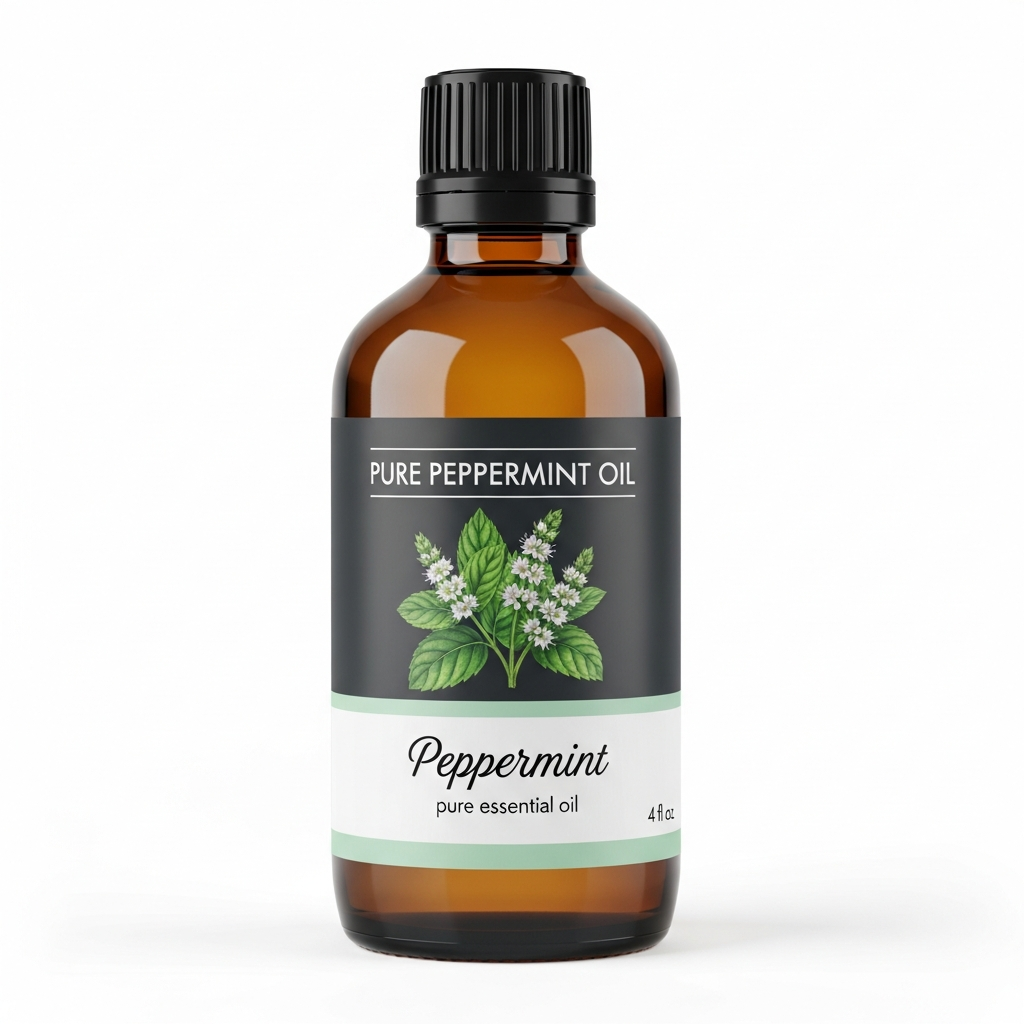
Peppermint Essential Oil
Our own Peppermint Essential Oil, in sizes from 0.5 oz to bulk.
From $10.99
Shop Now →This guide walks you through peppermint oil sizes from small sample vials to bulk quantities, with honest notes on quality signals, red flags, and where each size makes the most sense for most buyers.
Why Bottle Size Actually Matters for Quality
Before comparing sizes, it helps to understand why size and quality are connected. Pure peppermint oil is volatile. Exposure to air, light, and heat degrades it over time, dulling the sharp, clean menthol character that makes it worth buying in the first place. A large bottle you work through slowly may deliver a noticeably flatter scent toward the end compared to a fresh, properly sealed small bottle.
On the flip side, a tiny vial you ordered "just to try" often runs out before you've figured out your favorite applications, leaving you with a frustrating gap in your routine. Matching bottle size to your realistic usage rate is the real skill here.
For a deeper look at what separates genuine purity from marketing language, the guide on how to buy pure peppermint oil covers sourcing, GC/MS testing, and certification standards worth knowing before any purchase.
The Standard Peppermint Oil Sizes: A Quick Overview
| Size | Typical Volume | Best For | Estimated Price Range |
|---|---|---|---|
| Sample / Trial | 2 ml to 5 ml | First-time buyers, scent testing | $3 to $8 |
| Small | 10 ml to 15 ml | Occasional use, travel, gifting | $8 to $18 |
| Standard | 30 ml (1 oz) | Regular home users, DIY crafters | $15 to $28 |
| Medium | 60 ml to 120 ml (2 to 4 oz) | Frequent users, soap and candle makers | $25 to $55 |
| Large / Bulk | 240 ml to 1 kg and above | Small businesses, high-volume crafters | $50 and up |
Prices vary by brand, origin country, and certification level. The table above reflects typical market ranges rather than any specific retailer.
What to Look for Before You Buy Any Size
Botanical Name on the Label
Every bottle of genuine pure peppermint oil should display the Latin name Mentha piperita on its label. If a label only says "peppermint fragrance" or lists no botanical name at all, the contents are likely a synthetic fragrance compound rather than a distilled essential oil. That distinction matters enormously for scent quality and longevity.
GC/MS Testing and Batch Reports
Gas chromatography/mass spectrometry (GC/MS) testing breaks down the chemical profile of an oil, confirming that menthol, menthone, and other natural constituents fall within expected ranges. Reputable suppliers publish these reports by batch number. If a brand cannot provide one on request, look elsewhere.
Country of Origin
Peppermint oil sourced from the Pacific Northwest of the United States, particularly from Willamette Valley farms in Oregon and Washington, is widely regarded as producing a crisp, bright menthol character. Indian-origin peppermint oil tends toward a sharper, more intense menthol profile, while European sources can be softer and more herbaceous. None of these is universally superior. Your preference depends on the application and the scent character you're after.
Packaging Quality
Dark amber or cobalt blue glass is the standard for quality essential oils. Both colors block UV light, which degrades volatile compounds over time. Clear glass looks appealing on a shelf but offers no real protection. Plastic bottles are a red flag for a premium product: peppermint oil can interact with certain plastics, compromising both the container and the oil itself.
Breaking Down Each Size: Who It's Really For
2 ml to 5 ml Sample Vials
A sample vial is a smart first step if you haven't committed to a brand yet. At this size, you can evaluate the scent profile without a significant investment. The cool, clean menthol top note should hit immediately upon opening. If it smells flat, synthetic, or vaguely medicinal rather than crisp and botanical, that's useful information before you buy a larger quantity.
The downside: price per milliliter at this size is the highest of any option. Think of it as paying for knowledge, not volume.
10 ml to 15 ml Bottles
This is the most popular size for casual users. A 10 ml bottle holds roughly 200 drops, which carries a home diffuser through a solid season of regular use or supplies a modest collection of DIY projects. It's also the sweet spot for gifts. The price is accessible, and the format feels considered rather than impulsive.
If you're relatively new to peppermint oil and primarily use it in a diffuser or for occasional cosmetic blending, this size fits that routine well.
30 ml (1 oz) Standard Bottles
The 30 ml bottle is the workhorse of the peppermint oil sizes. It offers meaningfully better value per milliliter than smaller formats while remaining practical for most home users. A single ounce supports regular diffusion, DIY personal care projects like scalp rinses or foot soaks, and fragrance blending over several months of consistent use.
For most first-time buyers who already know they enjoy peppermint's scent, this is the size worth ordering. It represents the clearest balance of quality assurance, freshness, and cost efficiency.
60 ml to 120 ml Mid-Range Bottles
At this volume, you're moving into territory that suits dedicated crafters. Candle makers, soap formulators, and people who blend personal care products regularly will find a 60 ml or 4 oz bottle makes more economic sense than restocking 30 ml bottles every few months. The price per milliliter drops noticeably.
One caution: only move to this size if you're confident you'll use the oil within 12 to 18 months of opening. Properly stored (cool, dark, tightly sealed), peppermint oil holds its character well, but oxidation is a real factor with larger volumes that sit open on a workbench regularly.
240 ml and Above: Bulk Quantities
Bulk peppermint oil is a different category altogether. At this volume, you're essentially purchasing wholesale, and the purchasing process changes accordingly. Certifications, supplier documentation, and clear communication about batch consistency become far more important considerations than they are for a 10 ml retail bottle.
The full picture on bulk sourcing, including what questions to ask suppliers and how pricing structures typically work, is covered in the bulk and wholesale peppermint oil buyer's guide for anyone moving into higher volumes.
Red Flags to Avoid Across All Sizes
- No GC/MS report available. Any credible supplier can provide one. Declining or redirecting is a signal worth taking seriously.
- "Fragrance oil" labeling. This phrase signals a synthetic blend, not a distilled botanical oil.
- Unusually low pricing at large volumes. Pure peppermint oil has a real cost floor tied to agricultural inputs. A 4 oz bottle priced at $5 is almost certainly adulterated or synthetic.
- Clear glass packaging. As noted above, UV exposure shortens shelf life significantly.
- No country of origin. Transparency about sourcing is a basic quality signal. Its absence suggests a brand that isn't prioritizing it.
- "Proprietary blend" language for a single-oil product. Peppermint oil should contain one ingredient: Mentha piperita essential oil. Any additional language about blends or formulas raises questions.
- Plastic bottle packaging for a premium price. These two things don't belong together.
Top Picks at Different Price Points
Rather than naming specific brands (which change inventory and formulations over time), this section describes the profile of a well-chosen bottle at each tier.
Budget Pick: Under $12
Look for a 10 ml bottle in dark glass from a brand that publishes its GC/MS data online and lists Mentha piperita clearly on the label. You're evaluating scent integrity and sourcing transparency at this price. Don't compromise on the GC/MS report even at this tier.
Mid-Range Pick: $15 to $30
A 30 ml bottle from a brand with clearly stated country of origin, accessible batch testing, and a dropper or orifice reducer cap for precise dispensing. This is where most regular users should start. The value proposition is solid, and the volume is practical without pushing into oxidation risk territory.
Premium Pick: $30 to $60
A 60 ml to 4 oz bottle from a supplier who offers USDA organic certification or a credible third-party verification, ships with sealed inner caps, and provides responsive customer support for sourcing questions. At this price, you're paying for documented supply chain integrity as much as for the oil itself.
Where to Buy Peppermint Oil by Size
Retail options range from large online marketplaces to specialty essential oil suppliers to natural grocery stores. Each has trade-offs worth understanding before you click buy.
Large marketplaces offer convenience and competitive pricing, but product authenticity and freshness vary widely depending on the third-party seller. Specialty essential oil suppliers generally offer better documentation, more consistent quality, and direct access to batch reports. Natural grocery stores let you check packaging in person, though selection is typically limited to one or two brands and sizes.
For a structured comparison of sourcing channels, including what to watch for when buying from online marketplaces versus direct suppliers, the article on where to buy peppermint oil online covers the practical details of each option.
Storage Tips That Extend Any Size's Shelf Life
- Keep bottles away from direct sunlight and heat sources.
- Store in a cool, stable environment: a drawer, cabinet, or dedicated oil box works well.
- Tighten caps fully after every use to minimize air exposure.
- For large volumes, consider decanting into smaller working bottles and keeping the bulk supply sealed.
- Write the opening date on the label. Most pure peppermint oils hold their character for 2 to 3 years unopened and 12 to 18 months after first opening, with proper storage.
The Size That Makes Sense for Most First Orders
If you're buying peppermint oil for the first time and have a specific brand in mind that you've vetted for quality, start with the 30 ml bottle. It gives you enough volume to explore the oil across different applications, confirming it suits your preferences without the commitment of a larger format. If you're still evaluating brands, a 10 ml bottle from two or three different suppliers lets you compare scent profiles side by side before settling on a favorite.
The crisp, cool clarity of a well-sourced peppermint oil is distinctive. Once you know what genuine quality smells like, choosing your preferred size becomes a straightforward decision rather than a guessing game.