
DIY Peppermint Candy Cane Candles and Holiday Melts
Every year, around the time the first holiday displays appear in shop windows, there is a noticeable shift in what people want their homes to smell like. Warm spice gives way to something crisper. Woodsy notes get edged out by something brighter. That scent is almost always peppermint. Clean, cool, and instantly evocative of candy canes and winter evenings, pure peppermint oil is one of the most beloved fragrance ingredients of the season. And this year, handmade candles and wax melts are having a genuine moment.
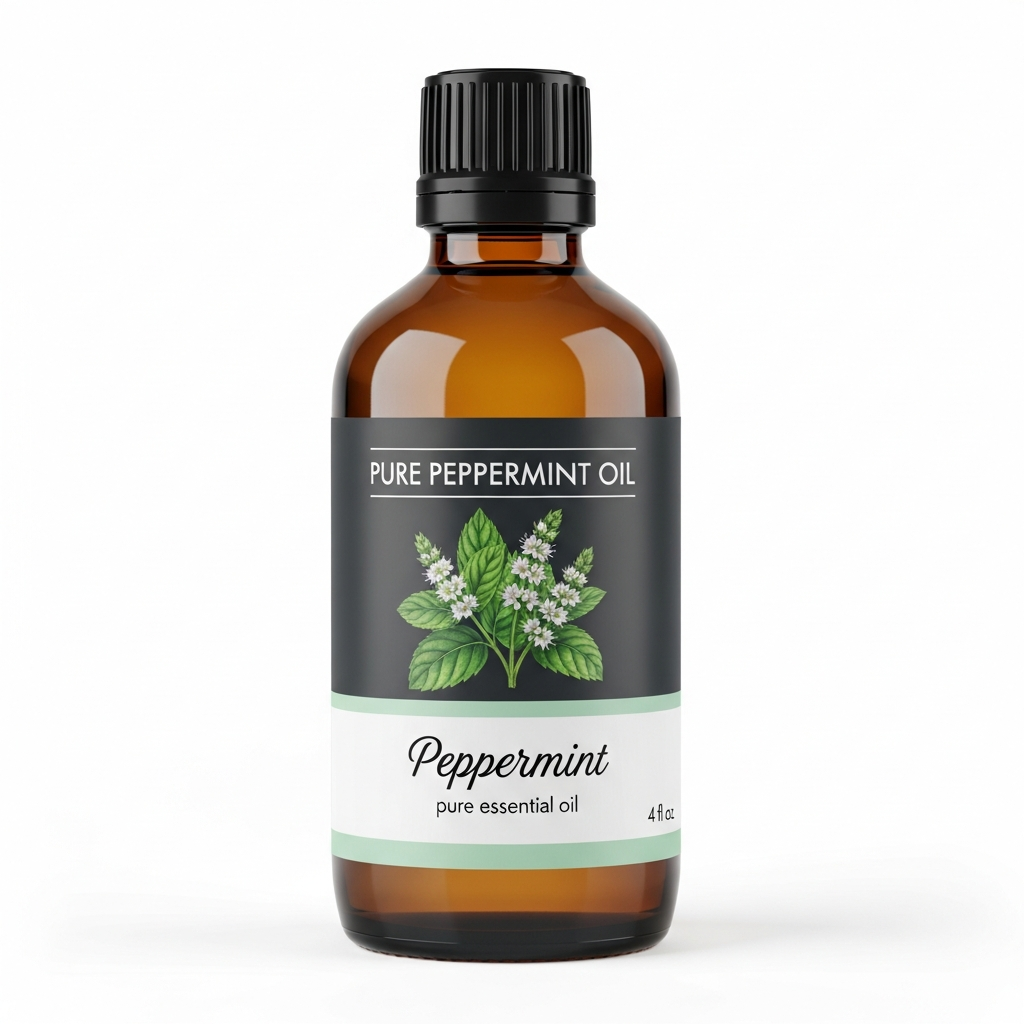
Peppermint Essential Oil
Our own Peppermint Essential Oil, in sizes from 0.5 oz to bulk.
From $10.99
Shop Now →Whether you are looking for a thoughtful hostess gift, a new holiday ritual with the kids, or simply a way to fill your home with that unmistakable minty crispness, a peppermint candle recipe made from scratch is one of the most satisfying seasonal projects you can take on. This guide walks you through everything: wax selection, wick sizing, scent layering, and a handful of candy cane candle variations that look as good as they smell.
Why Handmade Peppermint Candles Are Having a Moment Right Now
The resurgence of home crafting has been building for several years, but the holiday season is where it really concentrates. People are spending more time indoors, entertaining at home, and looking for ways to make their spaces feel intentional. A handmade holiday candle DIY project checks several boxes at once: it is creative, it is personal, and the finished product is genuinely useful.
Social media has also pushed candy cane candles into the spotlight. Red and white swirled wax, candy cane garnishes tucked into the pour, and frosted glass jars tied with ribbon photograph beautifully. These candles have become a fixture on holiday gift guides and craft round-ups, and for good reason. They are achievable for a first-time candle maker, the materials are affordable, and the scent payoff is immediate.
Pure peppermint oil is the key ingredient that separates a great homemade candle from a generic one. Synthetic peppermint fragrance oils can smell sharp or slightly artificial, especially when warmed. A high-quality pure peppermint oil carries genuine complexity: the bright top note of menthol, a faint sweetness underneath, and a clean finish that does not linger in an overwhelming way. It is worth sourcing well.
What You Need Before You Start
Candle making requires a small investment in equipment, but most of it is reusable season after season. Here is a straightforward supply list for a batch of six 8-ounce candles.
Materials
- 48 ounces of soy wax flakes (or coconut-soy blend for better scent throw)
- 6 clean 8-ounce glass jars (Mason jars work perfectly)
- 6 pre-tabbed cotton wicks sized for an 8-ounce vessel (typically CD-16 or ECO-10)
- Pure peppermint essential oil: approximately 1.5 oz total (see fragrance load guidance below)
- A double boiler or a large heatproof pitcher set in a pot of simmering water
- A candy or infrared thermometer
- Wick-centering bars or wooden skewers and tape
- Candle dye chips or blocks in red and white (optional, for the candy cane effect)
- A scale that measures in ounces or grams
Optional Garnishes
- Miniature candy canes to set into the wax surface before it fully sets
- Dried peppermint leaf for a botanical look
- Red and white ribbon for finishing the jars
Safety note: Essential oils are flammable. Never add peppermint oil directly to hot wax above 185°F (85°C). Always use a thermometer. Keep your workspace clear of open flames while handling oils, and work in a well-ventilated area.
The Core Peppermint Candle Recipe
This is the foundational peppermint candle recipe. Master this first, then explore the variations below.
Step 1: Prepare Your Jars and Wicks
Place a pre-tabbed wick in the center of each jar. Use a wick-centering bar or lay two wooden skewers across the top of the jar and tape the wick between them so it stays upright. The metal tab at the base should sit flat on the bottom of the jar. A small dot of hot glue can hold it in place if needed.
Step 2: Melt the Wax
Measure 48 ounces of soy wax flakes and melt them gently using a double boiler. Stir occasionally. Heat to 185°F (85°C). Do not exceed this temperature with soy wax, as it can affect the finished texture and scent retention.
Step 3: Add Color (Optional)
For a classic candy cane candle look, divide your melted wax into two pitchers once it reaches temperature. Add red dye chips to one portion, following the manufacturer's recommended amount for the volume of wax. Leave the second portion white. Stir each thoroughly until the dye is fully dissolved.
Step 4: Cool to Fragrance Temperature
Let both wax portions cool to between 160°F and 165°F (71°C to 74°C). This is the ideal fragrance window for soy wax. Adding peppermint oil too hot will volatilize the scent compounds quickly and reduce your finished candle's throw. Adding it too cool can result in uneven distribution.
Step 5: Add Pure Peppermint Oil
The standard fragrance load for soy wax is 6 to 10 percent by weight. For a batch of 48 ounces of wax, aim for approximately 1.4 to 1.5 ounces of pure peppermint oil total, split between your two wax portions proportionally. Stir slowly and deliberately for at least two minutes. Rushing this step leads to fragrance pooling.
Step 6: Pour in Layers
For the swirled candy cane effect, pour a thin layer of white wax into each jar first. Let it set just enough to form a slight skin on top (about 10 to 15 minutes at room temperature). Then pour a layer of red. Alternate until the jar is full, finishing with white at the top for a clean look. For a more dramatic swirl, use a skewer to gently drag through the layers before the final pour sets.
Step 7: Cure and Trim
Allow candles to cure at room temperature for at least 48 hours before burning. This waiting period allows the peppermint oil to fully bind with the wax, resulting in a stronger, more even scent throw. Before the first burn, trim the wick to 1/4 inch.
Holiday Wax Melts: The No-Wick Alternative
Wax melts are a fantastic holiday candle DIY option for households with children, pets, or anyone who prefers a flame-free experience. The recipe is nearly identical, but the process is simpler.
Basic Holiday Peppermint Wax Melt Recipe
- Melt 16 ounces of soy or paraffin wax (paraffin releases scent more readily in warmers).
- Cool to 165°F, then add 0.8 to 1 ounce of pure peppermint oil and stir well.
- Add red dye if desired.
- Pour into a silicone candy cane mold, a clamshell mold, or a mini muffin tin lined with paper cups.
- Allow to set fully (at least 4 hours) before removing.
- Package in a small cellophane bag tied with ribbon for gifting.
Wax melts made with pure peppermint oil tend to have a vivid scent release in a warmer. Start with one melt and add a second only if you want a more intense atmosphere in a larger room.
Seasonal Variations to Try This Winter
Once you have the core recipe down, the variations are where the real fun begins.
Peppermint and Vanilla Swirl
Add a small amount of vanilla fragrance oil to your white wax layer. The result is a softer, slightly sweet counterpoint to the brightness of peppermint. This combination works beautifully in bedroom or living room candles for a cozy evening atmosphere.
First Frost Blend
For something a bit more sophisticated, consider pairing peppermint with eucalyptus. The two oils share a cooling quality but eucalyptus adds an additional layer of green, almost forested depth. We love this combination so much that it inspired our own First Frost signature blend, which you can read about in detail. Used in a candle, it evokes a winter walk through a pine forest rather than a confectionery.
Peppermint and Cedarwood
A small amount of cedarwood essential oil (roughly 20 percent of your total fragrance load) adds warmth and grounding to peppermint's brightness. This is a good option for candles destined for living rooms or entryways, where you want the scent to feel welcoming rather than sharp.
Peppermint Beeswax Taper
For a traditional holiday table candle, roll sheets of beeswax foundation around a wick and press a few drops of peppermint oil into the surface before rolling. The heat of the candle gently warms the wax and diffuses the scent. Simple, beautiful, and no pouring required.
For more ideas on how pure peppermint oil performs across different home applications, the guide to using peppermint oil around the house covers a wide range of seasonal and year-round uses.
Safety Guidelines You Should Not Skip
Working with pure essential oils and hot wax requires some basic precautions. These are not optional steps.
| Risk | Precaution |
|---|---|
| Wax fire | Never melt wax directly on a burner. Always use a double boiler. Keep a lid nearby to smother flames if needed. |
| Essential oil flash point | Peppermint oil has a flash point of approximately 151°F (66°C). Always add it below 165°F and away from open flames. |
| Skin contact with undiluted oil | Pure peppermint oil is potent. If it contacts skin during pouring, rinse with a carrier oil (not water) and wash with mild soap. |
| Candle burn safety | Never leave a burning candle unattended. Keep wicks trimmed to 1/4 inch. Do not burn for more than 4 hours at a time. |
| Pets and children | Peppermint oil is not suitable for use around cats or very young children. If these are present in the household, use wax melts in a closed-off room or consider an alternative scent. |
Gifting and Presentation Tips
Homemade peppermint candles make genuinely memorable gifts, partly because they look handcrafted and partly because the scent is so strongly associated with the season. A few small presentation choices go a long way.
- Label your jars with the scent and the fragrance notes. A small kraft paper tag that reads "Pure Peppermint + Vanilla, Soy Wax" feels thoughtful and informative.
- Include a small card with burn instructions. First-time candle recipients often do not know to trim wicks or allow a full melt pool on the first burn.
- Nestle the candle in a box with a candy cane alongside a small bottle of pure peppermint oil for a scent-forward gift set.
- For wax melts, a small warmer paired with a set of melts in different scent variations makes an excellent stocking stuffer.
Blending Beyond the Basics
Peppermint is one of the most versatile fragrance anchors in the essential oil world, and understanding what works alongside it opens up a much wider range of seasonal candle possibilities. Some pairings are classic, some are unexpected, and a few are genuinely surprising. If you want to move beyond the candy cane profile and explore the full aromatic range of this oil, the comprehensive guide to what blends well with peppermint oil is a useful starting point before your next batch.
The short version: citrus oils brighten it, florals soften it, and resins like frankincense or cedarwood give it a contemplative, wintry depth that works particularly well in slow-burning pillar candles.
A Note on Oil Quality in Candle Making
It is worth pausing here to talk about sourcing, because it matters more in candle making than people expect. Low-quality peppermint oils often contain filler compounds or have been adulterated to reduce cost. In a diffuser, these shortcomings can be subtle. In a candle, where the oil is subjected to sustained heat, they become obvious. Cheap oils can smell chemical, sharp, or flat when warmed. A pure, unadulterated peppermint oil retains its complexity even at candle temperatures.
Look for peppermint oils that list the botanical name (Mentha piperita), the country of origin, and the extraction method (steam distillation). GC/MS testing data, when available from the supplier, gives you the clearest picture of what is actually in the bottle. Your finished candles will reflect the quality of the oil you start with. It is one area where the upgrade is genuinely worth it.
This holiday season, give your home a scent that feels purposeful. A handmade candy cane candle, poured with care and finished with a trim of ribbon, carries something a store-bought alternative simply cannot: the particular satisfaction of having made it yourself, and the knowledge of exactly what went into it.