
What Blends Well with Peppermint Oil: A Complete Pairing Guide
Peppermint essential oil is one of the boldest voices in any aromatic collection. Its crisp, cooling character means it commands attention in a blend, which is both its greatest asset and its most common stumbling block for new blenders. Get the ratio right, and peppermint lifts everything around it. Overdo it, and it bulldozes the more delicate notes you were hoping to highlight.
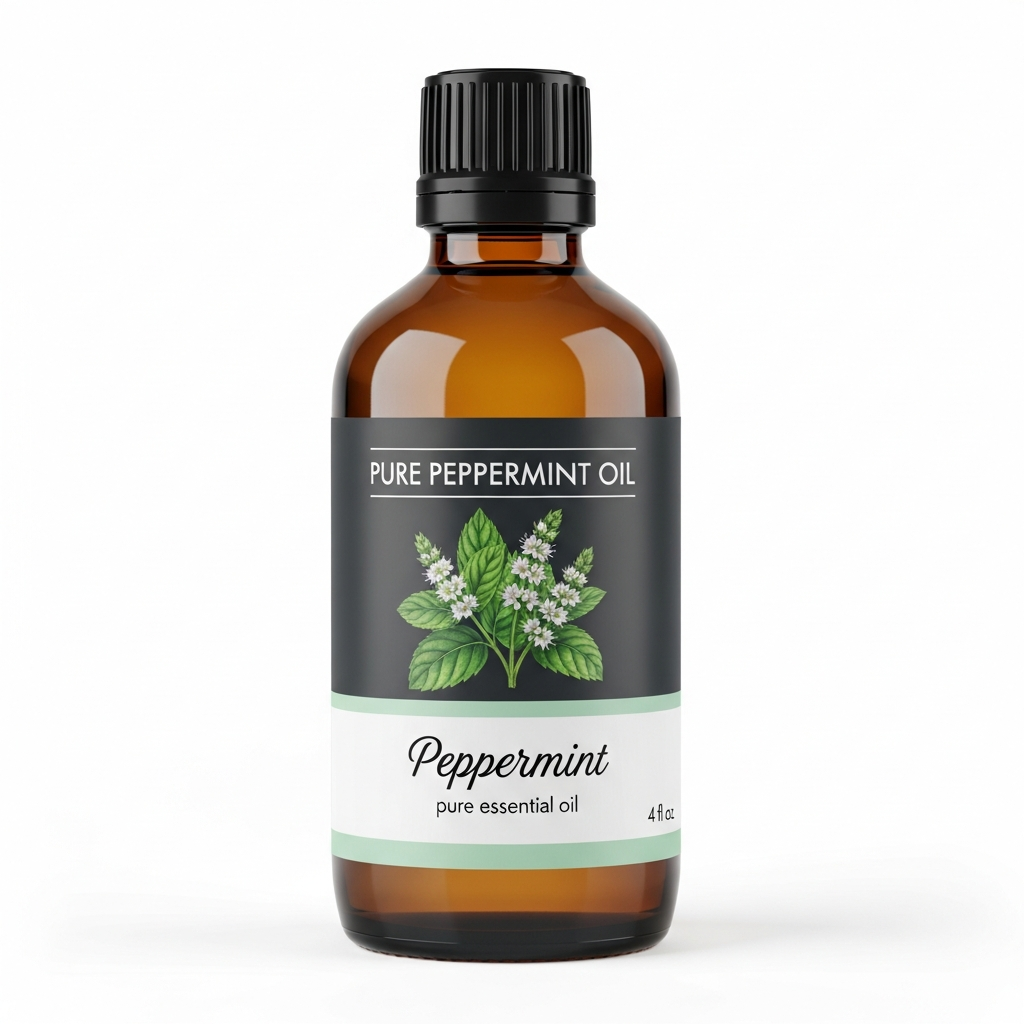
Peppermint Essential Oil
Our own Peppermint Essential Oil, in sizes from 0.5 oz to bulk.
From $10.99
Shop Now →This guide walks you through exactly which oils pair well with peppermint, why those combinations work from a scent-profile perspective, and how to build your own blends confidently from scratch. We'll cover diffuser blends, topical massage oil bases, and room-freshening sprays, with safety reminders at every step.
Understanding Peppermint's Scent Profile Before You Blend
Before reaching for other bottles, it helps to understand what you're actually working with. Pure peppermint oil is dominated by menthol, which gives it that immediately recognizable cold, sharp sensation. Beneath the menthol are lighter green, slightly earthy, and faintly sweet undertones. In perfumery terms, peppermint sits in the top-note category. It evaporates quickly and hits the nose first, which is why it tends to define the opening character of any blend.
Because peppermint is so assertive, it blends best with oils that either share its freshness (eucalyptus, spearmint, tea tree) or contrast it in a harmonious way (warm florals like lavender, citrus brights like lemon, or deep earthy notes like cedarwood). Oils that are too delicate, such as rose absolute or ylang ylang, can easily get lost underneath peppermint's intensity unless used in much higher proportions.
The Essential Blending Supplies You'll Need
Good blending starts with good materials. Improvising with whatever is on hand usually produces muddy, unpredictable results. Before you start combining any oils, gather the following:
- Pure peppermint essential oil (look for oils labeled with the botanical name Mentha x piperita and a batch-specific GC/MS report if available)
- Complementary essential oils (see the pairing list below)
- A carrier oil for any topical application (fractionated coconut oil, jojoba, or sweet almond oil are popular choices because they are lightweight and nearly odorless)
- Small glass mixing bottles (5 ml and 10 ml amber or cobalt glass roller bottles or dropper bottles work well)
- A ceramic or glass blending palette or small dish for test drops before committing to a full bottle
- Disposable pipettes or a clean dropper for each oil (cross-contamination ruins both the oil you're adding to and the source bottle)
- Scent strips or blotter paper (coffee stirrers work in a pinch)
- A notebook for recording your ratios
- Labels with date, ingredients, and dilution percentage
For diffuser blends, you can skip the carrier oil and the roller bottles, but you still want the palette, strips, and notebook. Memory is unreliable when you're mid-blend and excited about a combination.
The Best Oils That Blend Well with Peppermint
Here is a breakdown of the most reliable pairings, organized by scent family, with practical notes on how each combination tends to behave.
Fresh and Herbaceous Pairings
| Oil | Scent Character | How It Works with Peppermint | Suggested Starting Ratio (Peppermint : Partner) |
|---|---|---|---|
| Eucalyptus | Camphoraceous, clean, slightly woody | Amplifies the cool, clearing quality of peppermint without competing. One of the most cohesive pairings in the fresh family. | 1:2 |
| Spearmint | Sweeter, softer mint | Creates a layered mint effect. The spearmint rounds off peppermint's sharpness without losing the mint identity entirely. | 1:3 |
| Rosemary | Herbaceous, piney, slightly medicinal | Both oils share a green, invigorating quality. The pairing feels alert and focused without being harsh. | 1:2 |
| Tea Tree | Medicinal, earthy, sharp | Reinforces the clean, crisp atmosphere of peppermint. Works especially well in surface-spray blends. | 1:2 |
Citrus Pairings
| Oil | Scent Character | How It Works with Peppermint | Suggested Starting Ratio (Peppermint : Partner) |
|---|---|---|---|
| Lemon | Bright, tart, uplifting | The tartness of lemon cuts through peppermint's coolness and adds an energizing brightness. A very crowd-pleasing combination. | 1:3 |
| Bergamot | Citrus with a floral, slightly smoky depth | Bergamot's complexity softens peppermint beautifully. The floral undertone introduces warmth the mint alone lacks. | 1:4 |
| Wild Orange | Sweet, warm citrus | Creates a playful, energetic blend with a candy-like warmth underneath the mint coolness. | 1:3 |
| Grapefruit | Tangy, slightly bitter citrus | The bitterness of grapefruit keeps the blend feeling clean and sophisticated rather than sweet. | 1:3 |
Floral and Balancing Pairings
| Oil | Scent Character | How It Works with Peppermint | Suggested Starting Ratio (Peppermint : Partner) |
|---|---|---|---|
| Lavender | Floral, herbaceous, slightly powdery | The most popular pairing for peppermint. Lavender's softness buffers the mint's intensity and creates a calming, fresh atmosphere suited to evening wind-down routines. | 1:4 |
| Geranium | Rose-like, green, slightly sweet | Adds a feminine depth to peppermint blends. Particularly effective in personal care formulations like lotion or body oil. | 1:4 |
Earthy and Woody Pairings
| Oil | Scent Character | How It Works with Peppermint | Suggested Starting Ratio (Peppermint : Partner) |
|---|---|---|---|
| Cedarwood | Warm, dry wood, slightly balsamic | An unexpected but excellent partner. The woody depth grounds peppermint's volatility and produces a sophisticated, spa-like character. | 1:3 |
| Frankincense | Resinous, earthy, slightly citrus | Adds complexity and longevity to peppermint blends since frankincense is a base note. The resin lingers after the mint has faded. | 1:3 |
| Black Pepper | Spicy, warm, dry | A less common but very compelling pairing for diffuser use. The spice creates contrast against the cool mint note. | 1:4 |
Step-by-Step: How to Build a Peppermint Oil Blend
-
Start with your intention
Decide what you want the blend to do atmospherically. A blend for a morning shower routine calls for bright, energizing partners like lemon or rosemary. A blend for a quiet evening involves softer companions like lavender or cedarwood. Writing this down before you open any bottles keeps the blending process focused.
-
Select two to four oils maximum
Beginners often add too many oils at once, hoping complexity improves a blend. It rarely does. Start with peppermint plus one or two partners. Three oils is a complete blend. Four is ambitious. More than that usually results in a muddled, indistinct scent that smells like nothing in particular.
-
Test on a blotter strip before mixing
Add one drop of each oil to separate blotter strips. Hold them together and fan them gently under your nose. Wait 30 seconds. The top notes hit first, but the blend character changes as those volatile top notes begin to evaporate. This test tells you whether the combination has potential before you commit a single drop to a bottle.
-
Scale small on your first batch
Use a total of 10 to 15 drops for a first test batch. Following the ratio columns in the tables above, calculate how many drops of each oil you need. For example, a peppermint-to-lavender ratio of 1:4 in a 10-drop total blend means 2 drops peppermint and 8 drops lavender. Record every number before you start dropping.
-
Add oils from heaviest to lightest
Add your base notes first (frankincense, cedarwood), then your middle notes (lavender, geranium), and your top notes last (peppermint, lemon). This order doesn't always matter dramatically in a diffuser context, but it helps you adjust if the lighter notes evaporate off the blotter during your testing phase.
-
Let the blend rest
Cap your test bottle and let it sit for at least 24 hours before evaluating. Oils need time to marry. A blend that smells discordant right after mixing sometimes becomes beautifully cohesive after a day of integration. Some blenders wait 48 to 72 hours for a final judgment on a new formula.
-
Adjust and document
After resting, smell again. If peppermint is too dominant, increase the volume of the partner oils rather than removing peppermint. If the blend needs more lift, add one more drop of your top note. Write every adjustment down with the date. A blend you love is easy to reproduce if you have notes. It is nearly impossible to reproduce from memory alone.
-
Dilute properly before any skin application
For topical use, peppermint requires careful dilution. The general guideline from aromatherapy educators is a maximum of 0.5% to 1% in leave-on skin products for adults. That translates to roughly 3 to 6 drops of total essential oil blend per 30 ml (1 ounce) of carrier oil. Peppermint should never be applied undiluted to skin. Perform a patch test on a small area of inner forearm and wait 24 hours before broader application. Keep all peppermint-containing products away from children under 6 years of age and from the face area of children under 10. Consult a qualified healthcare provider before use during pregnancy.
Three Ready-to-Use Peppermint Blend Recipes
1. Morning Focus Diffuser Blend
This combination suits the start of a workday or an energizing morning routine. The lemon adds brightness, and the rosemary brings a grounded, herbaceous quality that keeps the blend from feeling too sharp.
- 3 drops peppermint
- 5 drops lemon
- 4 drops rosemary
Add to your diffuser with water according to manufacturer instructions. Run for 30 to 60 minutes at a time in a ventilated room.
2. Fresh Home Room Spray
This blend works well as a natural room refresher and pairs beautifully with tips from our guide on using peppermint oil around the house. For a 100 ml spray bottle: combine 15 drops peppermint, 20 drops eucalyptus, 15 drops tea tree, and 10 drops lemon in 10 ml of high-proof alcohol (such as perfumer's alcohol or 190-proof grain alcohol). Shake well, then fill the remainder with distilled water. Shake before each use.
Safety note: Do not spray directly on skin. Test on a small fabric area first, as some oils may affect certain dyes or finishes.
3. Evening Wind-Down Roller Blend
A gentler formula designed for a calming bedtime ritual. The lavender and cedarwood soften the peppermint considerably. In a 10 ml roller bottle: add 2 drops peppermint, 6 drops lavender, and 4 drops cedarwood. Fill the remainder with fractionated coconut oil. Apply to wrists or the back of the neck as part of a relaxing evening routine.
Safety note: This formulation is approximately 1.2% dilution for a 10 ml bottle with 12 drops total. Suitable for most adults. Perform a patch test 24 hours before regular use. Not recommended for use on children without first consulting a healthcare provider.
Common Blending Mistakes to Avoid
- Using peppermint as the dominant note. In most blends, peppermint works best as the accent. Even one or two drops too many and it overwhelms everything else. Start conservatively and add from there.
- Skipping the rest period. Impatient blenders evaluate blends immediately after mixing and discard combinations that might have been excellent after 48 hours. Give your blend time.
- Mixing from multiple low-quality or adulterated oils. The pairing guides above assume you are working with pure essential oils. Fragrance oils and synthetic blends behave unpredictably and may not layer the same way.
- Forgetting to account for carrier scent. Some carrier oils, like unrefined argan or hemp seed, have noticeable scents of their own. These can interfere with your blend. Fractionated coconut oil and jojoba are nearly neutral and are generally the safest choices when scent accuracy matters.
- Neglecting ventilation. Diffusing essential oils, including peppermint, in a sealed room for extended periods can be overwhelming. Keep sessions to 30 to 60 minutes and ensure air circulation. If you share your space with pets, particularly cats, check with a veterinarian before diffusing peppermint, as some animals are more sensitive to certain compounds.
Peppermint in the Home: Beyond the Diffuser
Peppermint oil blends are not limited to personal aromatics. The same pairing principles apply when you're using peppermint-based blends for household freshening. A peppermint-eucalyptus-lemon combination in a diffuser translates naturally into a surface spray or linen spritz. Some people also find that placing cotton balls with diluted peppermint-cedarwood blend near entry points may support a fresher-smelling home environment. For a broader look at household applications, the guide on peppermint oil around the house covers practical room-by-room ideas in detail.
If you have wondered about peppermint's reputation as a natural deterrent for certain household pests, the evidence is more nuanced than most internet sources suggest. The article on whether peppermint oil repels mice gives an honest, evidence-based look at what the research actually shows, and what blends or concentrations people use when trying this approach.
A Few Final Tips for Confident Blending
The tables and steps above give you a reliable framework, but blending is genuinely a sensory skill that develops with practice. Keep every blend in a labeled, dark glass bottle away from direct light and heat. Log your ratios obsessively, even when you feel certain you'll remember them. And smell with fresh air between each test strip, preferably by walking outside or smelling a neutral fabric like an unscented shirt sleeve, so you're not just smelling the last oil you evaluated.
Most importantly, trust your nose. Scent preference is personal. The pairing ratios here are starting points based on established scent-profile principles, not absolute rules. If you love lavender at a 1:2 ratio with peppermint instead of 1:4, that is a perfectly valid creative choice. The goal is a blend that you genuinely enjoy and want to use regularly. The best blend is the one you reach for every morning without thinking twice.