
Does Peppermint Oil Repel Mice? What Actually Works and How to Use It
The question comes up constantly in home care circles: does peppermint oil repel mice, or is it just a pleasant-smelling myth? The honest answer sits somewhere in the middle, and it deserves a proper look before you invest time and product into a strategy that may or may not fit your situation.
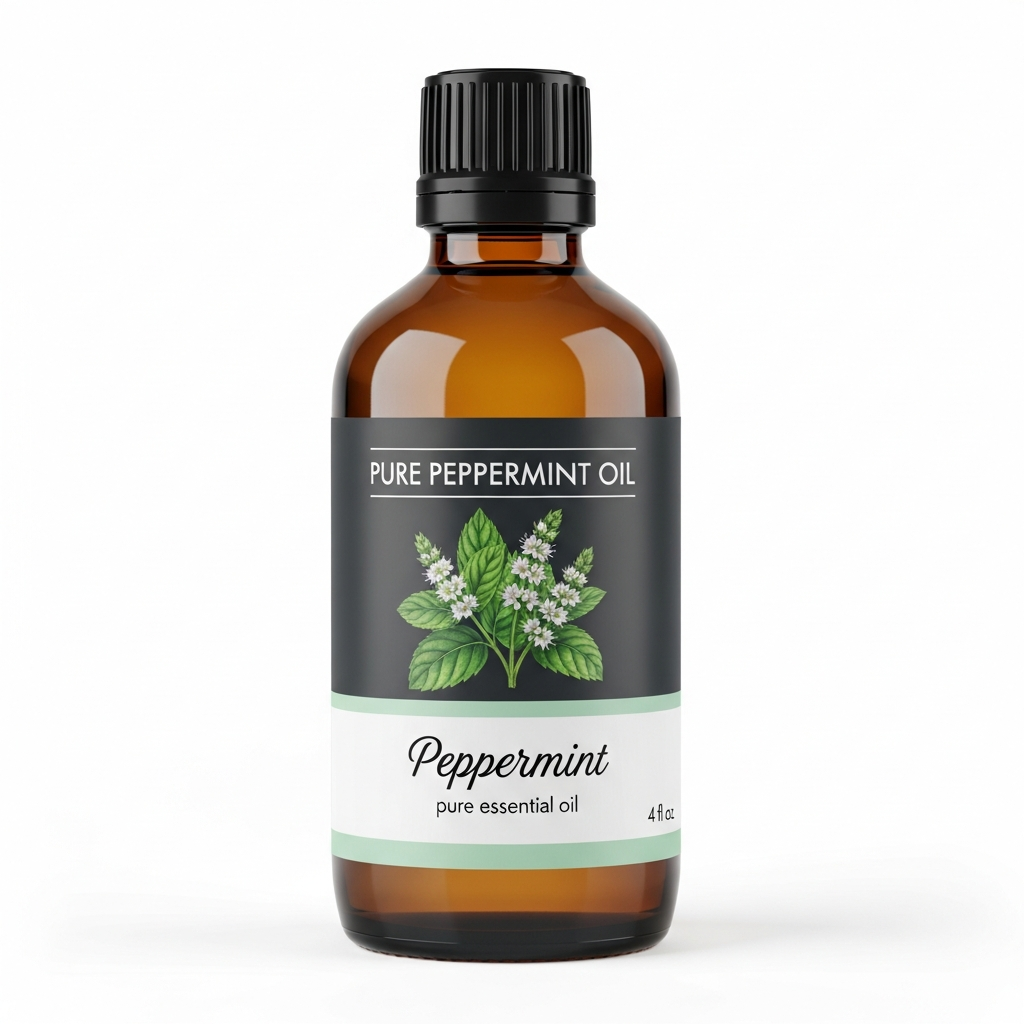
Peppermint Essential Oil
Our own Peppermint Essential Oil, in sizes from 0.5 oz to bulk.
From $10.99
Shop Now →Mice rely heavily on their sense of smell to navigate, locate food, and assess risk. Their olfactory systems are remarkably sensitive, far more so than ours. Strong, concentrated scents, peppermint among them, appear to create an environment that many mice find uninviting. That said, peppermint oil is not a silver bullet. A desperate or established mouse colony is unlikely to turn around based on scent alone. Used thoughtfully, however, peppermint oil may act as a meaningful deterrent, particularly at entry points and in spaces where rodents have not yet settled in.
This guide walks you through exactly how to use peppermint oil around the house as part of a practical mouse-deterrent routine, what materials you need, how to apply it correctly, and where most people go wrong.
The Science Behind Peppermint Oil and Mice
Peppermint oil's primary active compound is menthol, which makes up roughly 35 to 55 percent of the oil in high-quality specimens. Menthol activates cold-receptor neurons and produces an intense sensory experience that most humans find refreshing at low concentrations. For a mouse navigating baseboards with its nose almost literally on the ground, a concentrated hit of menthol near an entry point is a different experience entirely.
Some research suggests that concentrated peppermint odor may disrupt rodent navigation and foraging behavior. Results across studies are mixed, and no scientific consensus has declared peppermint oil a reliable stand-alone rodent deterrent. What does appear consistent is that scent intensity and freshness matter enormously. A cotton ball that smells faintly of peppermint two weeks after application is unlikely to do much of anything.
The practical takeaway: peppermint oil for mice works best as a preventive layer, applied at high concentration, refreshed regularly, and combined with good household hygiene and physical exclusion where possible.
What You Will Need
- Pure peppermint essential oil: Quality matters here. Look for 100% pure peppermint oil with no carrier oils, fillers, or synthetic fragrance added. The menthol content should be high. Avoid "peppermint fragrance oil," which is a synthetic product and lacks the same volatile compound profile.
- Cotton balls or felt pads: Cotton balls are the classic choice for placement in small spaces. Felt craft squares, cut into small pieces, absorb and hold oil longer than standard cotton and can be a good upgrade.
- A small spray bottle (2 to 4 oz): Dark glass or BPA-free plastic. Glass is preferable since essential oils can degrade certain plastics over time.
- Water and a small amount of dish soap or witch hazel: For making a diluted spray. Witch hazel helps the oil disperse more evenly than water alone.
- Gloves: Optional but recommended if you have sensitive skin. Undiluted essential oil on the hands and then transferred to eyes or mucous membranes is uncomfortable.
- A marker or small labels: For dating your cotton balls so you know when to replace them.
- A flashlight: You will need to see into dark corners, behind appliances, and along baseboards.
Step-by-Step: How to Use Peppermint Oil for Mice
Step 1: Do a Full Perimeter Walk
Before you open a single bottle, grab your flashlight and inspect your home thoroughly. You are looking for entry points: gaps around pipes, cracks along baseboards, spaces where utility lines enter the wall, areas beneath appliances, and any spot where daylight or a draft can be felt from inside. Even a gap the width of a pencil is large enough for a young mouse to squeeze through.
Make a simple map or list of every location you find. This becomes your placement guide. Peppermint oil placed randomly in the center of a room accomplishes very little. Oil placed directly at suspected or confirmed entry points has a much better chance of creating an uninviting boundary.
Step 2: Address Physical Gaps Where Possible
Peppermint oil is not a sealant. If you have obvious gaps or cracks, fill them with steel wool, caulk, or hardware cloth before you apply any scent-based deterrent. Scent fades; a properly sealed gap does not. Think of peppermint oil as a complement to physical exclusion, not a substitute for it.
Step 3: Prepare Your Cotton Ball Placements
Put on your gloves. Place a cotton ball flat on a small dish or piece of paper towel. Apply 8 to 10 drops of pure peppermint oil directly to the cotton ball. It should be visibly saturated in the center but not dripping. A lightly scented cotton ball is not going to accomplish your goal. The smell should be noticeable from a foot away when you hold it close to your nose.
Date the cotton ball with a small piece of tape and a marker if you are placing it somewhere you might forget about. Plan to replace each cotton ball every 2 to 3 weeks, or sooner if the scent has faded noticeably.
Step 4: Place Cotton Balls at Entry Points and High-Risk Zones
Focus your placements strategically. Priority locations include:
- Behind and beneath the refrigerator, stove, and dishwasher
- Inside cabinet toe kicks (the recessed panels at the bottom of kitchen cabinets)
- Around pipe penetrations under the sink
- Along the gap between the wall and the back of pantry shelving
- Near garage entry doors and in corners of attached garages
- In the basement along the sill plate (where the foundation wall meets the framing)
- Inside crawl spaces near vents
- In attic access areas
Place the cotton balls as close to the actual gap or entry point as possible. Tuck them into corners where they will not be disturbed by foot traffic or air currents that could disperse the scent too quickly.
Step 5: Make a Peppermint Spray for Broader Coverage
For areas where cotton balls are impractical (along a long baseboard run, around a door threshold, or across a garage floor seam), a peppermint spray extends your coverage efficiently.
To make the spray:
- Fill a 4-ounce glass spray bottle with witch hazel or water.
- Add 30 to 40 drops of pure peppermint essential oil. This is a deliberately high concentration for a deterrent application. Standard cosmetic or aromatic dilutions are much lighter. Do not apply this spray to skin.
- Add 5 drops of dish soap or a small splash of rubbing alcohol to help the oil disperse in the water. Cap and shake well before each use.
- Spray along baseboards, around door frames, and across threshold gaps. Focus on corners and edges rather than open floor space.
- Reapply every 5 to 7 days, or after mopping or cleaning those areas.
Label your spray bottle clearly: "Not for skin. High concentration." Keep it away from children and pets.
Step 6: Set a Refresh Schedule
This is the step most people skip, and it is probably the most important one. Peppermint oil volatilizes. The very property that makes it smell strong is the same property that causes it to fade. A cotton ball that smelled powerful on day one will smell like almost nothing on day 20.
Set a recurring calendar reminder every two to three weeks. On that date, sniff-test each cotton ball placement. If it has faded, replace it with a freshly soaked ball. Track when you placed each one so you are not guessing. Consistency is what separates an effective peppermint routine from a forgotten cotton ball in the back of a cabinet.
Tips for Better Results
Use the Purest Oil You Can Find
The quality of your peppermint oil is not a minor detail. Adulterated oils cut with carrier oils or synthetic menthol compounds will have lower volatile concentrations and fade faster. Look for steam-distilled, 100% pure peppermint oil. Check the label for the botanical name (Mentha piperita) and confirm there are no added ingredients. If the price seems remarkably low for the volume, treat that as a signal worth investigating.
Layer Your Approach
Peppermint oil works best as one layer in a broader household strategy. Pair it with proper food storage (sealed containers, no open bags in pantries), regular cleaning of crumbs and spills, and physical sealing of entry points. A mouse that finds no food and encounters a strong scent deterrent at every entry point has much less reason to persist than one that can smell a food source from outside the wall.
Think in Lines, Not Dots
Mice move along edges. They rarely cross open space if they can help it. Place your cotton balls and spray applications along the routes they would naturally travel: baseboards, behind appliances, along the back edge of shelving. Creating a continuous scent line along a wall is more effective than scattering placements around the room at random.
Pair with Other Natural Scents if Desired
Some people layer peppermint with other strongly scented deterrents like eucalyptus or cedarwood in areas where aesthetics allow. There is no research-confirmed synergy between these scents for rodent deterrence, but anecdotal reports are common. If you explore this, keep peppermint as your primary and use others as accents. For broader ideas on using essential oils around the home, see our guide to peppermint oil around the house.
Common Mistakes to Avoid
Using Too Little Oil
A few drops on a cotton ball may smell pleasant to you but will not create the intensity needed as a deterrent. When applying for this purpose, you are not aiming for a subtle background note. You want the scent to be immediately noticeable in the space around the placement point. Err toward more oil, not less.
Placing Balls Too Far from Entry Points
A peppermint cotton ball in the middle of a pantry shelf is not meaningfully positioned. If mice are entering through the back corner of the cabinet near the pipe gap, that is where the deterrent needs to be. The closer to the point of entry, the better the chance the scent creates an uninviting signal before the animal has committed to entering the space.
Forgetting to Refresh
As covered above, this is the most common failure point. People set up a careful placement system, see no mouse activity for a few weeks, assume it is working, and then stop refreshing. The oil fades, the deterrent disappears, and the pattern can restart. Keep the schedule. It takes only a few minutes every couple of weeks.
Ignoring Existing Activity
If you already have clear signs of an established rodent presence (droppings, gnaw marks, sounds in walls), peppermint oil alone is unlikely to resolve the situation. A scent deterrent is most effective as a preventive measure or in the very early stages of potential activity. An established population needs a more comprehensive approach. Consult a licensed pest control professional if you are seeing ongoing evidence of rodents in your home.
What to Realistically Expect
Honest expectations matter here. Peppermint oil and mice deterrence is a supportable approach for many households, but results vary based on how persistent rodent pressure is in your area, how well your home is sealed, how consistently you refresh your applications, and whether you pair the scent with good hygiene and physical exclusion.
People in areas with moderate outdoor rodent activity report that a well-maintained peppermint routine seems to reduce the likelihood of mice exploring their kitchens and pantries, particularly during seasonal shifts when rodents seek indoor shelter. Others in areas with heavy pressure find that scent alone does little if the food and entry-point factors are not also addressed.
Think of peppermint oil as raising the threshold of appeal your home presents to passing rodents. It does not build a wall. It makes the territory less interesting. For that to work, everything else in the environment needs to support that message.
If you enjoy using essential oils for household purposes beyond mice, you might find our articles on peppermint oil for ants and spiders and peppermint oil for roaches and other unwelcome bugs a useful addition to your household routine.
A Note on Pets and Children
Peppermint oil at the concentrations recommended for deterrent use is significantly stronger than typical aromatic applications. Keep cotton balls and spray solutions out of reach of children. Cats in particular are sensitive to essential oils, and high-concentration peppermint should not be applied in areas where cats spend significant time or groom themselves. If you have pets, consult your veterinarian before establishing any essential oil routine in shared spaces. Always store your oils and prepared sprays securely.
Bringing It Together
Used with realistic expectations and applied correctly, peppermint oil for mice is a practical, pleasant-smelling layer in a broader household strategy. The key variables are oil quality, application concentration, placement precision, and consistency of refresh. Get those four things right, and you have as good a chance as the method offers. Skip any of them, and results will likely disappoint.
Start with a perimeter inspection. Seal what you can seal. Apply high-concentration peppermint at every gap and entry point you find. Set your two-week refresh reminder before you even put the bottle down. That sequence, done consistently, is what separates an effective peppermint routine from a cotton ball forgotten under the stove.