
Peppermint Oil for Roaches and Other Unwelcome Bugs: An Honest Field Guide
Let's be straight with you from the start: pure peppermint oil is not a licensed pesticide, and it will not eliminate a serious infestation on its own. What it can do is act as a powerfully scented deterrent that many homeowners find useful as part of a broader, proactive approach to keeping their spaces less hospitable to roaches, ants, spiders, and other creeping houseguests.
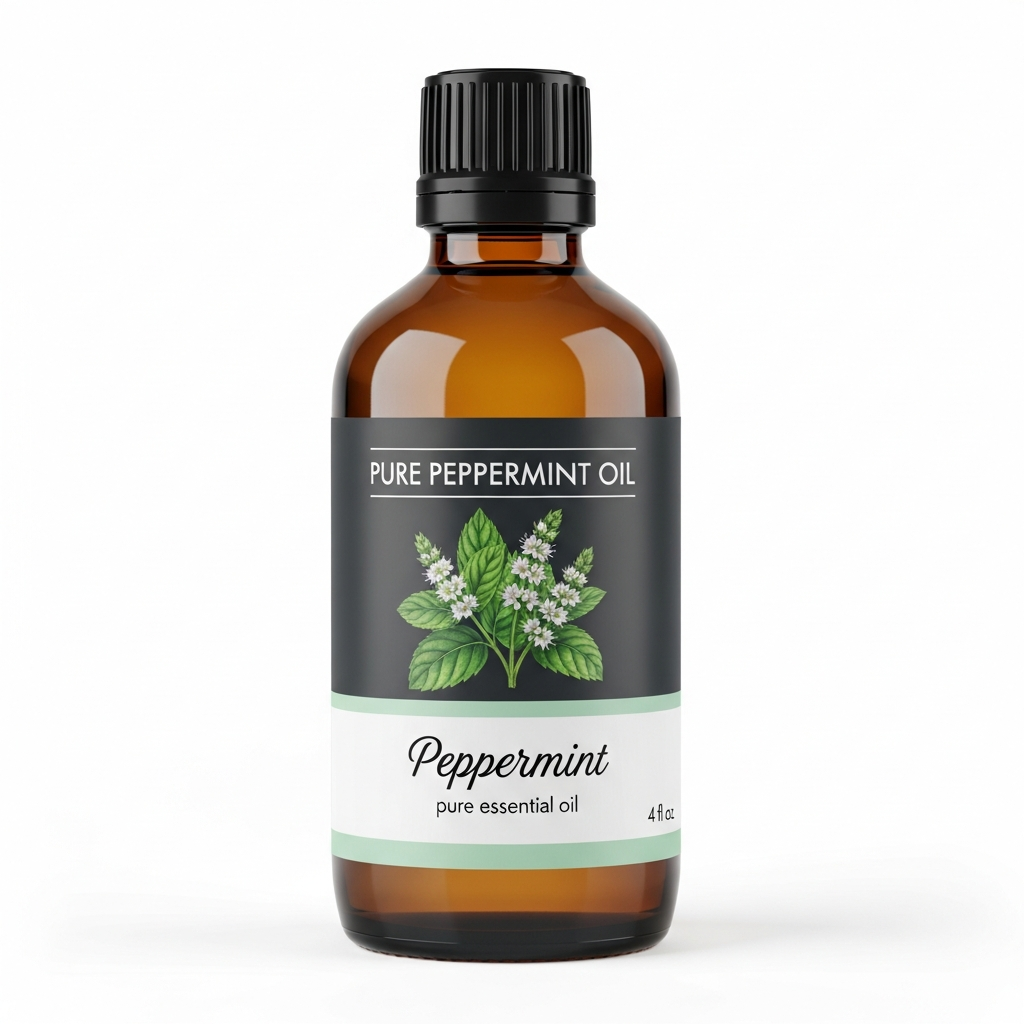
Peppermint Essential Oil
Our own Peppermint Essential Oil, in sizes from 0.5 oz to bulk.
From $10.99
Shop Now →This guide covers exactly how to use peppermint oil for bugs in a practical, honest way. You will get real recipes, step-by-step instructions, and a clear-eyed view of what results you can reasonably expect. No exaggerated promises. Just good-smelling strategy.
Why Peppermint Oil? The Honest Explanation
Peppermint oil is extracted from Mentha piperita leaves, and its dominant compound is menthol. The same sharp, cooling intensity that makes peppermint so appealing to us appears to be distinctly off-putting to many insects. Roaches, ants, and spiders rely heavily on chemical signaling and scent-based navigation. A concentrated menthol environment seems to disrupt that sensory experience, which is why anecdotal evidence from homeowners is so consistent: bugs tend to avoid areas where peppermint oil has been applied.
Some research suggests that peppermint oil and its constituent compounds may have insect-deterrent properties, though most peer-reviewed work is preliminary and conducted in controlled settings rather than real homes. The practical takeaway is that peppermint oil works best as a preventive deterrent applied consistently along entry points and harborage zones, not as a solution after a large population has already established itself.
For a broader look at how peppermint oil can refresh and protect your entire living space, see our guide on using peppermint oil around the house.
What You Will Need
Keeping your materials simple makes the routine sustainable. Here is everything you need to get started:
- Pure peppermint essential oil: Quality matters significantly here. Look for oil that is 100% pure Mentha piperita, steam-distilled, with no carrier oils or synthetic additives. The potency of a genuine pure oil is far greater than a diluted or fragrance-grade version.
- Distilled water: Tap water can introduce minerals that cloud your spray and potentially shorten shelf life.
- Witch hazel or high-proof grain alcohol (optional): Peppermint oil does not dissolve in water on its own. A small amount of witch hazel or alcohol acts as an emulsifier to help the oil disperse evenly.
- A dark glass spray bottle (2 to 4 ounces): Glass protects essential oil integrity. Dark glass (amber or cobalt) shields the oil from light degradation. Avoid plastic bottles for undiluted or high-concentration blends.
- Cotton balls or reusable fabric pads: Useful for stationary application in cabinets, drawers, and corners.
- A small funnel and a pipette or dropper: These make measuring and pouring accurate and mess-free.
- Masking tape and a marker: Always label your bottles with contents and the date you mixed them.
The Core Recipes
Recipe 1: Peppermint Deterrent Spray
This is the workhorse recipe for using peppermint oil for roaches and other crawling insects along baseboards, cabinet interiors, under sinks, and around door frames.
Ingredients:
- 20 drops pure peppermint essential oil
- 1 tablespoon witch hazel
- 3 ounces distilled water
Yield: One 4-ounce spray bottle
- Measure the witch hazel first. Add one tablespoon of witch hazel directly into your glass spray bottle using a small funnel. The witch hazel goes in before the water because it will help disperse the oil you add next.
- Add the peppermint oil. Drop 20 drops of pure peppermint essential oil into the bottle, directly into the witch hazel. You will notice the mixture immediately takes on a strong, crisp scent. That potency is intentional.
- Add the distilled water. Pour in 3 ounces of distilled water. Leave a small amount of headspace at the top so the spray mechanism fits and you can shake the bottle effectively.
- Cap, label, and shake. Secure the spray top, label the bottle with the date and contents, then shake vigorously for about 15 seconds. Because oil and water naturally separate, you will need to shake the bottle before every single use. This is the step most people forget.
- Test your spray. Point the nozzle into your sink and give it two or three test sprays to confirm the mist is fine and even, not dripping. Adjust the nozzle setting if your bottle has one.
If you love the idea of a fresh-scented spray that does double duty around the home, our full tutorial on a DIY peppermint oil spray for room refreshing and cooling walks you through several variations.
Recipe 2: Peppermint Cotton Ball Drops
Cotton balls soaked in peppermint oil are ideal for enclosed spaces where spraying is impractical: inside cabinet hinges, behind appliances, in the gaps where pipes enter walls, and inside pantry corners.
Ingredients:
- Pure peppermint essential oil (undiluted)
- Cotton balls or small fabric pads
- A small resealable glass jar for storage
- Apply oil directly to the cotton ball. Place a cotton ball flat on a clean surface. Apply 3 to 4 drops of pure peppermint oil to the center of the cotton ball. Do not saturate it completely. Over-soaking wastes product and can leave oily residue on surfaces.
- Place cotton balls at target zones. Tuck them into corners, behind the refrigerator, inside cabinet drawers, beneath the stove, or anywhere you have noticed insect activity. For roach-prone areas under the sink, place one near each pipe entry point.
- Note placement so you remember to refresh them. A simple sketch or photo on your phone works well. Cotton ball drops lose their potency as the oil evaporates, typically within 2 to 3 weeks depending on air circulation in the space.
- Refresh on a schedule. Every two to three weeks, discard the old cotton balls and replace them with freshly treated ones. Consistency is what makes this approach useful over time.
Step-by-Step Application: Where and How to Use Your Recipes
Having the spray ready is only half the work. Knowing where to apply it makes a real difference in how effective a deterrent routine can be.
Step 1: Identify Entry Points and High-Traffic Zones
Walk your home with a flashlight. Look along baseboards, around window frames and door thresholds, behind large appliances, inside pantry cabinets, and beneath sinks. These are the corridors and harborage spots that roaches and other insects favor. Mark them mentally or jot them down.
Step 2: Clean Before You Apply
Peppermint oil deterrent works far better on clean surfaces. Grease residue, crumbs, and moisture all attract insects regardless of what scent is nearby. Wipe down baseboards and cabinet interiors with a damp cloth and allow them to dry completely before spraying.
Step 3: Apply the Spray Along Key Lines
Shake your bottle, then spray a thin, even line along the base of baseboards, around the interior edges of cabinets, and across door thresholds. Focus on creating a scent boundary rather than saturating surfaces. A fine mist is enough. Heavily saturated surfaces can leave oil residue and are no more effective than a light application.
Step 4: Place Cotton Ball Drops in Enclosed Zones
Follow your spray application with cotton ball placement in any enclosed spot where the spray mist cannot reach. Behind the refrigerator and stove, inside cabinet hinges, and around pipe gaps in walls are all good candidates.
Step 5: Establish a Refresh Routine
Re-spray your entry points and baseboards every one to two weeks. Replace cotton ball drops every two to three weeks. Set a recurring reminder on your phone. The scent dissipates with time and airflow, and a deterrent that has faded is no deterrent at all.
A Practical Application Table
| Location | Best Method | Refresh Frequency |
|---|---|---|
| Baseboards and door thresholds | Deterrent spray | Every 1 to 2 weeks |
| Under sink (pipe entry points) | Cotton ball drops | Every 2 to 3 weeks |
| Behind refrigerator and stove | Cotton ball drops | Every 2 to 3 weeks |
| Window sills and frames | Deterrent spray | Every 1 to 2 weeks |
| Pantry cabinet interiors | Cotton ball drops plus light spray | Every 2 weeks |
| Garage entry points | Deterrent spray (higher concentration) | Weekly in warm months |
Tips and Common Mistakes to Avoid
Use Pure Oil, Not Fragrance Oil
This is the single most important quality decision you will make. Fragrance oils labeled "peppermint scent" are synthetic compositions designed for candles or soaps. They do not contain the same naturally occurring compounds found in genuine steam-distilled peppermint essential oil. For a peppermint oil pest deterrent approach to be worth your time, the oil needs to be the real thing.
Do Not Skip the Emulsifier
Skipping the witch hazel and just mixing oil with water produces a spray where the oil floats on top. You end up spraying mostly water, with occasional bursts of straight oil. The uneven application wastes product and reduces consistency.
Keep Away from Pets, Especially Cats
Cats lack certain liver enzymes needed to process compounds found in many essential oils, including peppermint. Do not apply peppermint oil deterrents in areas where cats rest, eat, or frequently walk. Keep pets out of freshly sprayed rooms until surfaces are fully dry. If you have pets, consult your veterinarian before beginning any essential oil routine in your home.
Avoid Eyes and Mucous Membranes
Even in diluted spray form, peppermint oil is intensely irritating to the eyes and mucous membranes. Spray carefully, keep children away from freshly treated surfaces, and wash hands thoroughly after handling the oil or applying cotton ball drops.
Do Not Expect Overnight Results
Anecdotal evidence from homeowners suggests that consistent, repeated application over several weeks is what creates a meaningful deterrent effect. One spray session is unlikely to produce noticeable change. Think of it as building an ongoing scent boundary rather than a single intervention.
Do Not Apply to Porous Stone or Unsealed Wood Without Testing First
Peppermint oil can leave residue on certain surfaces. Do a small patch test in an inconspicuous area before spraying granite countertops, marble, or raw wood finishes.
Realistic Expectations: What Peppermint Oil Can and Cannot Do
People report genuine satisfaction using peppermint oil for bugs as part of a preventive home routine. Many find that consistent application along entry points seems to coincide with fewer sightings over time. That is meaningful, and the pleasant scent left behind is a real bonus.
What peppermint oil will not do is address a large, established population inside your walls or beneath your floors. If you are seeing significant numbers of insects regularly, that situation calls for an assessment by a licensed pest control professional. Peppermint oil is a complement to good home maintenance practices: sealing cracks, eliminating moisture sources, keeping food stored in airtight containers, and reducing clutter.
Think of peppermint oil as a first line of scent-based deterrence. It makes your home a less attractive destination. The structural and sanitation work makes it a less accessible one. Both matter.
Storing Your Peppermint Oil Blends
Store your prepared spray bottle away from direct sunlight and heat. A cabinet under the sink (away from pet zones) or a cool pantry shelf works well. Prepared water-based sprays are best used within four to six weeks. After that, the water can begin to turn and the oil potency fades. Make fresh batches in small quantities rather than large ones.
Your undiluted peppermint essential oil should be stored in its original dark glass bottle, tightly capped, in a cool location. Properly stored pure peppermint oil typically maintains good quality for two to three years.
Expanding Your Peppermint Routine
Once you have a solid home deterrent routine in place, you may find yourself reaching for your peppermint oil in other ways. It layers beautifully into warm-weather self-care rituals as well. Our guide to a DIY peppermint foot soak and cooling body mist is a good next read, especially during the months when you are refreshing your deterrent spray most frequently.
A single bottle of quality pure peppermint oil earns its place in a thoughtful home. It scents, it refreshes, and it gives you a proactive, pleasant-smelling strategy for discouraging the insects that would rather share your kitchen than find somewhere else to be.