
DIY Peppermint Foot Soak and Cooling Body Mist for Hot Days
When the temperature climbs and the afternoon feels relentless, a little pure peppermint oil summer ritual can shift the whole mood of a day. The natural menthol in peppermint oil creates a genuine cooling sensation on skin, which makes it one of the most satisfying botanicals to work with during warm months. These two recipes are simple enough for a weeknight and effective enough to become a warm-weather staple.
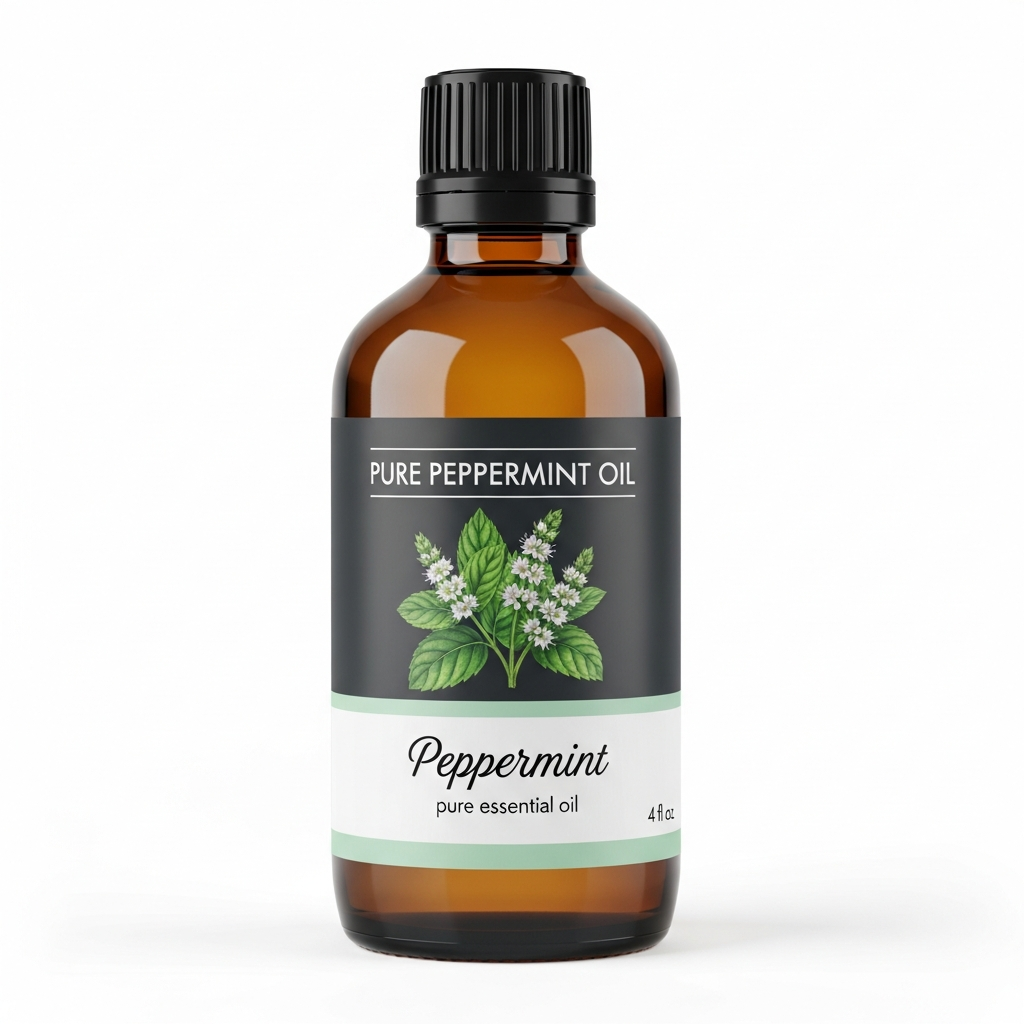
Peppermint Essential Oil
Our own Peppermint Essential Oil, in sizes from 0.5 oz to bulk.
From $10.99
Shop Now →Below you will find a full peppermint foot soak to close out a long day on your feet, followed by a lightweight cooling body mist diy formula you can spritz on pulse points, shoulders, and the back of your neck whenever the heat becomes too much. Both recipes use ingredients you can source easily, and both store well for several weeks when handled correctly.
Before You Begin: Safety Overview
Pure peppermint essential oil is potent. It contains a high concentration of menthol and menthone, and using it undiluted directly on skin is not recommended. Read this section fully before you start measuring anything.
- Dilution ratios matter. For a foot soak, the water itself acts as a diluting medium, but the carrier ingredients (Epsom salt, milk, oil) help disperse the essential oil more evenly. For the body mist, the recommended dilution sits at approximately 1 percent, which equals roughly 6 drops of peppermint oil per 1 ounce (30 ml) of liquid base. Do not exceed this for a product applied over a large skin surface area.
- Patch test first. Before using either recipe all over, apply a small amount to the inside of your wrist or elbow. Wait 24 hours. If you notice redness, itching, or any skin response, discontinue use and consult a qualified healthcare provider.
- Avoid sensitive areas. Keep all peppermint preparations away from eyes, mucous membranes, and broken skin.
- Children and pregnancy. Peppermint essential oil is generally not recommended for use on or near children under 6 years old, and should be avoided during pregnancy without guidance from a qualified healthcare provider. Consult yours before using these recipes if either applies to your situation.
- Menthol sensitivity. Some people find the cooling sensation of peppermint oil overwhelming rather than refreshing. If you know you have sensitive skin or a low tolerance for menthol, reduce the essential oil quantity by half and see how your skin responds.
- Keep out of reach of children and pets. Cats in particular are sensitive to menthol compounds. Store all finished products securely.
Recipe 1: Peppermint Foot Soak
Difficulty: Beginner
Prep time: 5 minutes
Soak time: 15 to 20 minutes
Yield: 1 single-use foot soak
What It Does
This peppermint foot soak is designed for the end of a long summer day. The Epsom salt softens and soothes tired feet, the powdered milk adds a silky quality to the water, and the peppermint oil delivers that characteristic cool, crisp sensation that most people find deeply refreshing. It is a grounding evening ritual that takes almost no effort to put together.
Ingredients
| Ingredient | Amount | Notes |
|---|---|---|
| Epsom salt (magnesium sulfate) | 1/2 cup (120 g) | Fragrance-free, food or cosmetic grade |
| Powdered whole milk or coconut milk powder | 2 tablespoons | Helps disperse the essential oil in water |
| Fractionated coconut oil or sweet almond oil | 1 teaspoon | Acts as a secondary dispersing carrier |
| Pure peppermint essential oil | 6 to 8 drops | Use 100% pure, not blended or diluted |
| Warm water | Enough to fill your basin | Comfortably warm, not hot |
| Fresh peppermint sprigs (optional) | 2 to 3 small sprigs | For fragrance and visual appeal |
Step-by-Step Instructions
- Mix the dry base. In a small bowl, combine the Epsom salt and powdered milk. Stir until evenly blended.
- Add the carrier oil. Pour the fractionated coconut oil or sweet almond oil into the dry mixture. Use a fork or small whisk to work it in. The mixture will look slightly clumped, and that is fine.
- Add the peppermint oil. Drop the peppermint essential oil onto the salt mixture. Stir immediately to disperse. The fat content in the milk powder and carrier oil helps the essential oil bind rather than simply floating.
- Fill your basin. Fill a foot basin or large bowl with comfortably warm water. Avoid very hot water, as heat intensifies the menthol sensation and can be overwhelming.
- Add your soak mixture. Pour the salt mixture into the water and stir with your hand to dissolve. Add fresh mint sprigs if using.
- Soak your feet. Submerge your feet and soak for 15 to 20 minutes. The cooling sensation typically begins within the first few minutes.
- Dry and moisturize. Pat feet dry thoroughly, paying attention to the spaces between toes. Follow with your preferred foot cream or a small amount of carrier oil.
Storage
This recipe is formulated for single use. If you want to batch it, mix only the dry ingredients and store the blend (without the essential oil and carrier oil) in a sealed glass jar for up to 3 months. Add the oils fresh each time you use it. This keeps the volatile compounds in the peppermint oil from dissipating.
Recipe 2: Cooling Body Mist DIY
Difficulty: Beginner
Prep time: 10 minutes
Yield: 4 ounces (120 ml), approximately 200 sprays
Shelf life: 4 to 6 weeks (see storage notes below)
What It Does
This cooling body mist diy formula is the kind of thing you will reach for constantly once you make it. A few spritzes on the back of the neck, across the collarbone, or along the inner wrists, and the peppermint oil summer effect kicks in almost immediately. The witch hazel base keeps the formula lightweight and fast-drying. A small amount of vegetable glycerin stops it from feeling too astringent on skin.
Ingredients
| Ingredient | Amount | Notes |
|---|---|---|
| Distilled water | 3 ounces (90 ml) | Always use distilled, not tap, to extend shelf life |
| Witch hazel (alcohol-free or 14% alcohol) | 1 ounce (30 ml) | Helps essential oil disperse in water |
| Vegetable glycerin | 1/2 teaspoon | Adds a soft, non-greasy feel to the mist |
| Pure peppermint essential oil | 24 drops (approx. 1.2 ml) | This gives a 1% dilution across 4 oz total volume |
| Spearmint essential oil (optional) | 6 drops | Adds a softer, rounder mint note alongside the peppermint |
For a complementary aromatic pairing, consider adding 6 drops of eucalyptus essential oil in place of the optional spearmint. Our First Frost signature peppermint-eucalyptus blend explores exactly this combination and explains how the two botanicals work together aromatically.
Equipment
- 4-ounce (120 ml) fine-mist spray bottle, preferably dark glass (amber or cobalt) or opaque PET plastic
- Small funnel
- Measuring cups and spoons
- A label and pen for dating your batch
Step-by-Step Instructions
- Combine the witch hazel and essential oils first. Pour the witch hazel into the spray bottle. Add your peppermint essential oil drops directly into the witch hazel. Swirl gently for 20 to 30 seconds. The alcohol content in witch hazel helps the oil begin to disperse before you add the water.
- Add the glycerin. Using a small dropper or measuring spoon, add the vegetable glycerin. Swirl again.
- Add the distilled water. Pour in slowly using a funnel. Avoid splashing, which can create micro-droplets that don't blend evenly.
- Secure the spray top and shake. Shake the bottle gently for about 30 seconds. The formula will not be fully emulsified (essential oil and water never truly blend without an emulsifier), so shaking before each use is important.
- Test the spray. Spritz onto the inside of your wrist. The mist should feel light, cool, and dry within seconds.
- Label your bottle. Write the date of creation on the label. This is more important than it sounds; water-based DIY formulas have a real shelf life.
How to Use It
Shake well before each use. Spritz 2 to 3 times onto the back of the neck, shoulders, or inner wrists. Hold the bottle about 8 inches from your skin. Avoid the face, especially around the eyes and nose. Do not apply to broken or recently shaved skin.
Keep a bottle in your bag for outdoor events, long commutes, or an afternoon pick-me-up at your desk. The fine-mist format means it layers over light clothing too, which many people find refreshing during outdoor activities.
Storage Instructions and Shelf Life
Because this mist contains distilled water and no commercial preservative, it has a shorter shelf life than commercially produced products. Store in a cool, dark place away from direct sunlight and heat sources. Refrigerating the bottle is optional but makes the cooling sensation more pronounced when you spritz.
Shelf life: 4 to 6 weeks. Discard if you notice any change in scent, cloudiness that was not there from the beginning, or any film forming inside the bottle. These are signs that the formula may have degraded.
If you want to extend shelf life slightly, add a broad-spectrum cosmetic preservative such as Leucidal Liquid at the manufacturer's recommended usage rate (typically around 2 to 4 percent). This is optional but advisable if you plan to gift the mist or make larger batches.
Variations and Substitutions
For the Foot Soak
- No powdered milk on hand? Use 1 tablespoon of full-fat liquid milk or unsweetened coconut cream added directly to the basin water. The fat content still helps disperse the essential oil.
- Add baking soda. Replace half the Epsom salt with baking soda for a softer-feeling soak.
- Citrus lift. Add 3 drops of lemon or grapefruit essential oil alongside the peppermint for a brighter aromatic profile. Both pair naturally with mint and enhance the summery feel.
- Cool water variation. For extremely hot days, use cool (not cold) water instead of warm. The menthol sensation is different in cool water but still noticeable and refreshing.
For the Body Mist
- No witch hazel? Use plain distilled water and add 1 teaspoon of high-proof vodka (at least 190 proof is ideal) as the dispersing agent instead. The effect is similar.
- Add aloe vera. Substitute 1 ounce of the distilled water with pure aloe vera gel (the thin, liquid kind, not gel). This adds a slightly more moisturizing finish and is popular in post-sun mist formulas.
- Lavender addition. 10 drops of lavender essential oil alongside the peppermint creates a softer, more floral mist that many people prefer for an evening wind-down spray rather than a daytime refresher.
- Stronger menthol sensation. If you want a more intense cooling effect and your skin has already tolerated the standard formula well after patch testing, you can increase the peppermint oil to 30 drops total (keeping the volume the same). This brings the dilution to approximately 1.25 percent, still within a conservative cosmetic range for body application on most adults.
Pairing These Recipes With Your Broader Routine
These two recipes work well together as a simple warm-weather evening ritual: soak while you decompress, then mist before bed or before heading back outside. The peppermint oil summer combination of menthol's cooling quality and the clean, sharp scent can shift the sensory experience of a hot, humid evening considerably.
If you enjoy using peppermint oil beyond personal care, our guide to peppermint oil around the house covers aromatic applications throughout your living space, from linen sprays to drawer sachets. And if the holiday season ever feels too far away, the aromatic world of peppermint extends into home fragrance projects too: our DIY peppermint candy cane candles and holiday melts article is worth bookmarking for when the mood strikes.
A Few Final Notes on Sourcing
Both recipes depend on the quality of your peppermint essential oil. A poorly sourced oil can smell flat, harsh, or synthetic, and will underperform in both the aromatic and sensory departments. Look for pure peppermint oil that lists Mentha piperita as the botanical source on the label. Steam-distilled is the standard method for essential oil production, and a reputable supplier should be able to share GC/MS (gas chromatography/mass spectrometry) test results showing the menthol and menthone content of their specific batch.
Good peppermint oil is crisp and bright with a clean menthol top note that doesn't smell sugary or perfumed. If your oil smells more like a candy cane than a fresh plant, it has likely been adulterated or blended with synthetic fragrance compounds. For DIY cosmetic work, purity matters more than price.
Keep your oil stored in a dark glass bottle away from heat and light, and it will hold its quality for 2 to 3 years. Your finished DIY products will only perform as well as the ingredients you put into them.