DIY Peppermint Oil Spray: Deterrent, Room Refresh, and Cooling Mist Recipes
A well-made peppermint oil spray is one of the most satisfying projects you can put together in an afternoon. The scent is immediate, the ingredients are straightforward, and the results are genuinely useful around the house. With one bottle of quality pure peppermint essential oil, you can make three completely different sprays: a crisp room refresher, a cooling mist for warm-weather days, and a strongly scented deterrent spray for doorways and windowsills.
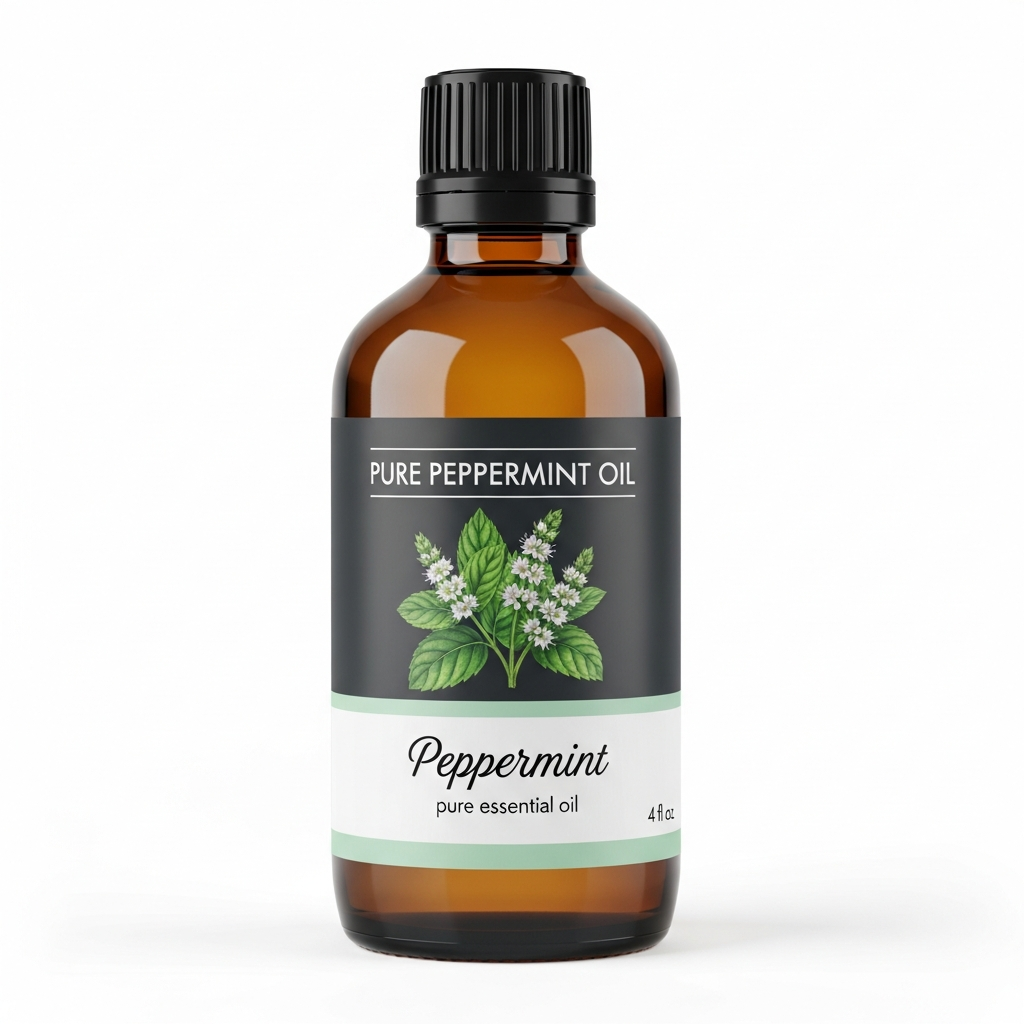
Peppermint Essential Oil
Our own Peppermint Essential Oil, in sizes from 0.5 oz to bulk.
From $10.99
Shop Now →This guide walks through all three recipes, including exact measurements, mixing steps, storage tips, and the safety information you need before you start. Read the safety section first, particularly if you have children, pets, or sensitive skin in your household.
Before You Begin: Safety, Dilution, and Contraindications
Peppermint essential oil is highly concentrated. The menthol content that gives it that sharp, cooling character is also what makes careful dilution non-negotiable.
Dilution Ratios at a Glance
| Spray Type | Recommended Dilution | Drops per 4 oz Water |
|---|---|---|
| Room refresh (airborne) | 1 to 2% | 24 to 48 drops |
| Cooling body mist (skin contact) | 0.5 to 1% | 12 to 24 drops |
| Deterrent spray (surfaces only) | 2 to 5% | 48 to 120 drops |
Key Safety Points
- Patch test before skin contact. Apply a small amount of diluted spray to the inside of your wrist. Wait 24 hours before broader use. Discontinue if any redness or irritation develops.
- Keep away from eyes and mucous membranes. Peppermint oil causes significant irritation on contact with sensitive tissue.
- Children under 6. Avoid applying peppermint oil sprays near the face or on the skin of young children. The menthol concentration can be overwhelming for small airways. Consult a qualified healthcare provider before use around young children.
- Pets. Cats and dogs are sensitive to peppermint oil. Keep deterrent and room sprays away from spaces where pets sleep or eat, and ensure any sprayed area is fully ventilated before pets re-enter. Consult your veterinarian with specific questions.
- Pregnancy and nursing. Consult a qualified healthcare provider before using peppermint essential oil during pregnancy or while nursing.
- Sensitive skin types. Stick to the lower end of the dilution range and always perform a patch test.
These recipes are intended for aromatic and cosmetic household use only. If you have a medical concern, please speak with a qualified healthcare provider.
What You Will Need: General Equipment
- Dark glass spray bottles (2 oz, 4 oz, or 8 oz depending on batch size)
- A small funnel
- A measuring jug or graduated cylinder
- Labels and a permanent marker
- Distilled or filtered water (tap water shortens shelf life)
- Pure peppermint essential oil
Glass bottles are strongly preferred over plastic. Peppermint oil can degrade certain plastics over time, which affects both the scent and the integrity of the container. Amber or cobalt blue glass protects the oil from light degradation.
Recipe 1: Crisp Peppermint Room Refresh Spray
Difficulty: Very Easy
Prep Time: 5 minutes
Yield: 4 oz (approximately 120 ml)
This is the go-to peppermint oil spray recipe for freshening a room quickly. It works well in bathrooms, linen closets, entryways, and any space that needs a sharp, clean scent reset. The addition of witch hazel helps disperse the oil more evenly throughout the water.
Ingredients
- 3.5 oz (105 ml) distilled water
- 0.5 oz (15 ml) witch hazel (alcohol-free or standard)
- 30 drops pure peppermint essential oil
Instructions
- Add the witch hazel to your glass spray bottle first.
- Drop in the peppermint essential oil. Swirl gently to combine.
- Add the distilled water using a funnel.
- Seal the bottle and shake well for 20 to 30 seconds.
- Label the bottle with the recipe name and date.
Shake before each use, as the oil and water will naturally separate between spritzes. Spray into the air at arm's length, or mist onto fabric surfaces like curtains or upholstery (test a small hidden patch first).
Variations
- Peppermint and eucalyptus blend: Replace 10 of the peppermint drops with eucalyptus essential oil for a slightly woodsy, crisp variation.
- Peppermint and lemon: Add 10 drops of lemon essential oil alongside the peppermint for a brighter, citrus-forward room spray.
- Stronger concentration for large spaces: Increase to 48 drops of peppermint oil while keeping the other measurements the same (this brings you to approximately a 2% dilution).
For more creative ways to use peppermint oil throughout your home, see our guide to peppermint oil around the house.
Recipe 2: Cooling Peppermint Body Mist
Difficulty: Easy
Prep Time: 8 minutes
Yield: 4 oz (approximately 120 ml)
This peppermint oil spray recipe is designed for skin contact on warm days. The menthol in peppermint oil creates a natural cooling sensation on the skin, which many people find refreshing during outdoor activities, afternoon walks, or the post-workout cool-down window. The aloe vera adds a soothing, lightweight base that helps the mist feel comfortable rather than just watery.
Important: This recipe is formulated for use on arms, legs, and the back of the neck only. Keep away from the face, eyes, and broken skin. Perform a patch test at least 24 hours before first use.
Ingredients
- 3 oz (90 ml) distilled water
- 0.5 oz (15 ml) aloe vera gel (pure, without added fragrance or alcohol)
- 0.5 oz (15 ml) witch hazel
- 15 drops pure peppermint essential oil
Instructions
- Combine the witch hazel and aloe vera gel in your glass spray bottle. Swirl gently until they are well integrated.
- Add the peppermint essential oil drops directly into the bottle.
- Pour in the distilled water slowly to avoid excess foaming.
- Seal and shake for 30 seconds.
- Store in the refrigerator for an extra-cool experience on warm days.
- Label with recipe name, date, and skin-only note.
Shake well before each use. Spray onto exposed skin from at least 6 inches away. Reapply as desired, though keep total daily use moderate.
Variations and Substitutions
- No aloe vera on hand: Substitute with an equal amount of plain witch hazel. The mist will be thinner but still effective.
- Add lavender: Mix in 5 drops of lavender essential oil alongside the peppermint for a softer, more balanced cooling mist.
- Sensitive skin version: Reduce peppermint oil to 8 to 10 drops and increase distilled water slightly to compensate. Always patch test at this lower dilution first.
If you enjoy cooling peppermint body applications, our DIY peppermint foot soak and cooling body mist guide covers even more warm-weather rituals worth trying.
Recipe 3: Peppermint Deterrent Spray for Doorways and Windowsills
Difficulty: Easy
Prep Time: 5 minutes
Yield: 8 oz (approximately 240 ml)
Peppermint's strong scent is famously off-putting to many crawling and flying insects. This higher-concentration spray is formulated for surfaces only: baseboards, windowsills, door frames, and other entry points. It is not intended for skin contact at this dilution.
The scent will be notably intense at first and fades to a lighter fresh note over several hours. Reapplication every few days maintains the deterrent effect in areas where you want the scent to linger.
Ingredients
- 7 oz (210 ml) distilled water
- 1 oz (30 ml) white vinegar (helps disperse oil and deters some insects on its own)
- 80 drops pure peppermint essential oil
Instructions
- Pour the vinegar into your glass spray bottle.
- Add all 80 drops of peppermint essential oil and swirl firmly to combine.
- Add the distilled water using a funnel.
- Cap tightly and shake for 30 to 45 seconds.
- Label clearly as surface use only, not for skin, with the date.
Spray along baseboards, window ledges, and the perimeter of doorframes. Wipe up any excess liquid on wood surfaces to prevent moisture damage. Reapply every 2 to 3 days or after cleaning.
Notes on Use
- Avoid spraying directly onto finished wood, painted walls, or delicate textiles without spot-testing first. Vinegar can affect certain finishes.
- Keep this spray out of reach of children and away from pet areas.
- Ventilate the room well during and after application.
Variations
- Without vinegar: Replace the vinegar with additional distilled water. The spray is still effective as a scent deterrent, just without the vinegar's secondary properties.
- Add spearmint or tea tree: Some people layer in 20 drops of spearmint essential oil alongside the peppermint for a slightly different aromatic profile.
Storage Instructions and Shelf Life
All three sprays share similar storage guidance, with one notable exception for the body mist.
| Spray | Storage | Estimated Shelf Life |
|---|---|---|
| Room refresh spray | Cool, dark location | 4 to 6 weeks |
| Cooling body mist | Refrigerator preferred | 2 to 3 weeks |
| Deterrent spray | Cool, dark location | 4 to 8 weeks |
Shelf life depends on the quality of your water, whether you used preservative-free aloe, and how often you introduce air into the bottle. When in doubt, make smaller batches more frequently. A 2 oz bottle of room refresh spray lasts about two weeks of regular use anyway.
Discard any spray that develops an off smell, appears cloudy in an unexpected way, or shows any signs of microbial growth.
Tips for Sourcing Quality Peppermint Oil
The scent quality of your finished spray is only as good as the oil you start with. A few things to look for when choosing peppermint essential oil for DIY projects:
- Single-origin sourcing. Peppermint from the Pacific Northwest, particularly Oregon and Washington state, is often considered among the most aromatic. Look for brands that list the origin on the label.
- Gas chromatography testing (GC/MS). Reputable suppliers make third-party test results available. These confirm purity and rule out adulteration with synthetic menthol or carrier oils.
- Latin name on the label. You want Mentha x piperita. This confirms you are buying true peppermint rather than a closely related species with a different aromatic profile.
- Dark glass bottling. Peppermint oil degrades faster when stored in clear glass or plastic. A quality supplier will bottle in amber or cobalt glass.
These details matter more for skin-contact applications like the cooling mist, where oil purity directly affects the experience on your skin.
Frequently Asked Questions
Can I use tap water in my peppermint oil spray?
You can, but distilled or filtered water is a better choice. Tap water contains minerals and chlorine that can interfere with the scent over time and may shorten the shelf life of water-based sprays.
Why does my spray separate so quickly?
Water and oil do not mix on their own. That is why witch hazel or a small amount of a dispersant like polysorbate 20 is helpful. Even with these additions, shaking before each use is always necessary.
Can I add other essential oils to any of these recipes?
Yes. Start by substituting no more than 20 to 30 percent of the peppermint drops with a complementary oil (eucalyptus, lavender, lemon, or spearmint work particularly well). Keep the total drop count the same to maintain the intended dilution ratio.
Is the deterrent spray safe to use in a kitchen?
It can be used on hard surfaces in kitchen areas. Keep it away from food contact surfaces, and ventilate the room well. Do not spray near open food or directly onto cutting boards.
Make It a Ritual
Once you have made your first batch of diy peppermint spray, you will likely find a dozen new uses for it within the first week. The room refresh spray becomes part of a morning routine. The cooling mist earns a permanent spot in the fridge through summer. The deterrent spray gives doorways and windowsills a crispness that feels both purposeful and pleasant.
Peppermint's clean, unambiguous scent has a way of making a space feel more awake and more intentional. These sprays are a simple way to bring that quality into everyday life without much effort or expense.
If peppermint has you inspired to explore further, our guide to fresh home uses for peppermint oil covers even more aromatic applications room by room. And if you enjoy scent-forward seasonal projects, the DIY peppermint candle and holiday melt guide is worth bookmarking for cooler months.