
How to Spot Pure Peppermint Oil: Quality Checks Before You Pay
The peppermint oil market is crowded, and not everything on the shelf deserves your money. Some bottles are diluted with carrier oils or synthetic fragrance compounds before they ever reach a retailer. Others are blended from low-grade leaf material that produces a flat, medicinal-smelling oil rather than the crisp, bright scent that characterizes a genuinely good batch. Knowing how to buy peppermint oil is a skill, and once you have it, you will never waste money on a disappointing bottle again.
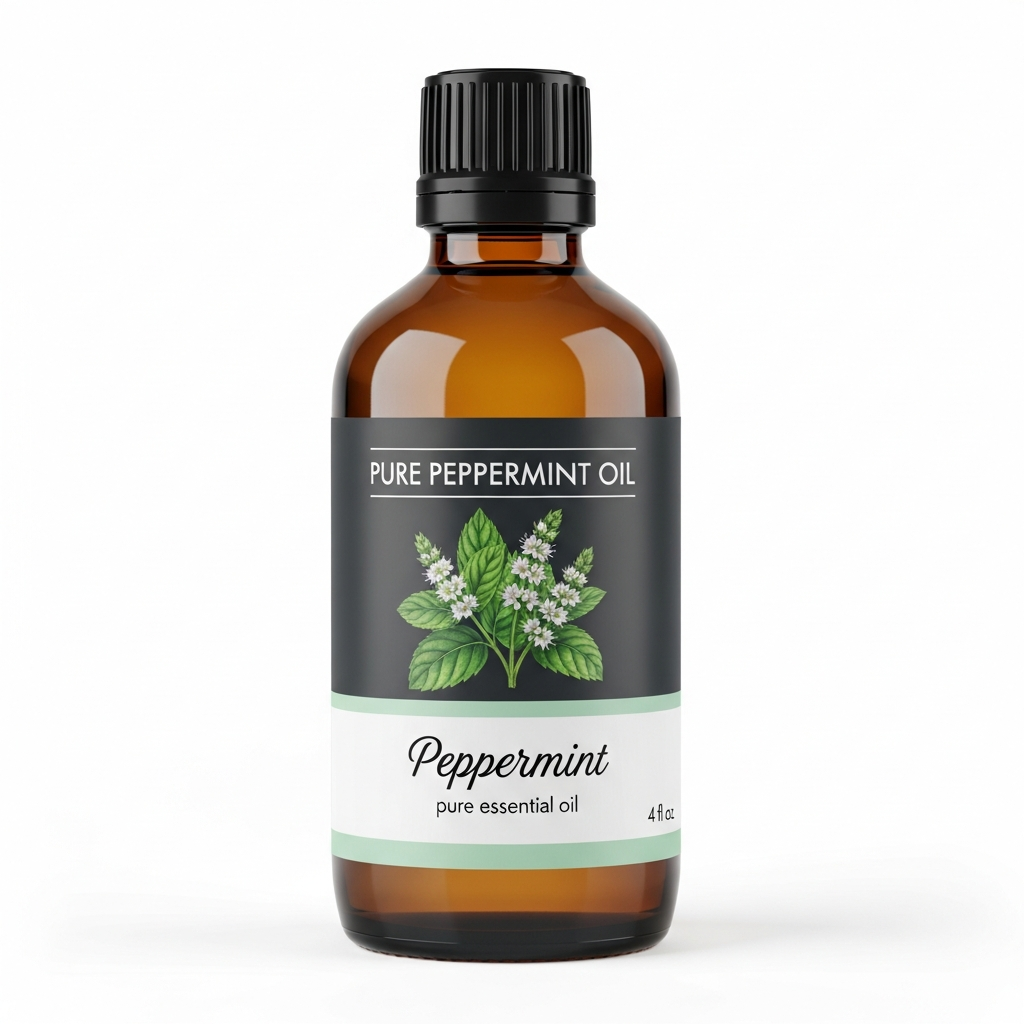
Peppermint Essential Oil
Our own Peppermint Essential Oil, in sizes from 0.5 oz to bulk.
From $10.99
Shop Now →This guide walks you through every checkpoint worth caring about, from the label text to the scent profile to the retailer's sourcing transparency. Whether you are stocking up for a DIY skincare project or simply want a reliable bottle for your diffuser, these quality checks apply at every price point.
Why Peppermint Oil Quality Varies So Dramatically
Peppermint oil is steam-distilled from Mentha x piperita, a hybrid plant that is highly sensitive to soil conditions, climate, and harvest timing. The menthol content (the compound responsible for that characteristic cool, clean sensation) can range from around 30% in a poor-quality batch to well over 50% in an exceptional one. Growing region matters enormously. Willamette Valley in Oregon, for example, produces oil with a different chemical profile than Indian-grown peppermint, which tends to have a higher menthol yield but a sometimes harsher top note.
Beyond botany, production decisions affect quality at every stage. Early harvesting, improper distillation temperatures, and extended storage in non-airtight containers all degrade the final oil. A producer cutting costs at any one of these stages passes that compromise on to you.
For a deeper look at how peppermint compares to its close botanical relative, see our guide on peppermint oil vs. spearmint oil: menthol, sweetness, and best uses. The distinction matters more than most buyers realize.
Reading the Label: What Good Packaging Tells You
A label is not just marketing. On a quality bottle of pure peppermint oil, specific pieces of information should be present and easy to find.
Latin Botanical Name
The label should state Mentha x piperita clearly. If it only says "peppermint oil" with no botanical name, that is a gap worth noting. Reputable producers include the Latin name because it confirms the exact species and rules out substitution with cheaper mint varieties.
Country of Origin
Knowing where the plant was grown allows you to understand the oil's likely character. US-grown (particularly Pacific Northwest) peppermint tends to be clean, bright, and well-balanced. Indian peppermint is often high in menthol and widely used in flavoring industries. Neither origin is inherently inferior, but a producer willing to disclose origin is a producer with nothing to hide.
Extraction Method
Steam distillation is the correct method for peppermint oil. Any other extraction method listed, or no method listed at all, warrants a closer look. Solvent-extracted products should not be labeled as essential oils.
Lot Number and Batch Testing
A lot number means the producer tracks individual production runs. Paired with a GC/MS (gas chromatography/mass spectrometry) test report, this tells you the oil's actual chemical composition was verified. Many quality brands publish these reports on their websites or make them available on request.
Net Volume and Concentration
Pure essential oil is sold undiluted. If the label lists a carrier oil (jojoba, fractionated coconut, almond) as an ingredient, you are buying a pre-diluted blend, not pure peppermint oil. Blends have their uses, but you should know what you are purchasing. For a full breakdown of product categories, our article on food-grade vs. cosmetic-grade peppermint oil explains what the different label designations actually mean.
The Smell Test: What Pure Peppermint Oil Actually Smells Like
No quality guide is complete without talking about scent. This is subjective in some ways, but there are reliable reference points.
Pure peppermint oil quality oil opens with a sharp, intensely green top note. It should smell like fresh-cut peppermint leaves, not like a candy cane or a breath mint. Those products use isolated menthol or synthetic compounds that smell sweeter and flatter. Genuine steam-distilled oil has complexity: a bright, almost grassy top note, a cool menthol middle, and a slightly earthy or herbaceous dry-down.
Red flags in the scent profile include:
- An overwhelmingly sweet or candy-like smell (suggests flavoring compounds or spearmint adulteration)
- A harsh, chemical, or solvent-like edge (suggests poor distillation or contamination)
- A flat, one-dimensional scent with no development (suggests old oil or over-processed material)
- No cooling sensation at all when a small amount is applied to the back of the hand (suggests very low menthol content)
If you are ordering online and cannot smell before buying, this is exactly why GC/MS reports matter. They give you the chemical equivalent of a sniff test.
Key Features to Compare Across Brands
Once you know what to look for on a label, it helps to have a framework for comparing specific brands side by side.
| Feature | What to Look For | Red Flag |
|---|---|---|
| Botanical name | Mentha x piperita stated clearly | No Latin name listed |
| GC/MS testing | Report available per batch | No testing disclosed |
| Country of origin | Specific country named | Vague terms like "wildcrafted blend" |
| Packaging | Dark glass bottle (amber or cobalt) | Clear glass or plastic |
| Price per mL | Consistent with category | Dramatically underpriced vs. peers |
| Distillation method | Steam distilled | Method not disclosed |
| Ingredient list | Single ingredient only | Carrier oils or "fragrance" added |
Red Flags That Should Stop You From Buying
Some warning signs are subtler than others. Here are the ones that consistently indicate a product is not worth your money.
Pricing That Is Too Good
Pure peppermint oil has real production costs. Leaf material must be grown and harvested at peak bloom, transported, and distilled carefully. A 1-ounce (30 mL) bottle of genuinely pure peppermint oil from a reputable producer typically costs between $8 and $20 at retail, depending on origin, certification, and brand. A 4-ounce bottle for $5 is not a bargain. It is either heavily diluted, synthetically extended, or derived from poor-quality starting material.
"Fragrance Oil" Language
The words "fragrance oil" or "perfume oil" on or near a listing indicate a synthetic or blended product. These are not essential oils. They are manufactured scent compounds, often petroleum-derived, formulated to approximate a natural smell. They have their place in candle-making and some craft applications, but they are not pure peppermint oil and should not be priced or marketed as though they are.
No Third-Party Testing
Self-certification means nothing without external verification. A brand can print "100% pure" on any bottle. Third-party GC/MS testing from an independent laboratory is the only objective confirmation. Some brands go further with additional certifications (USDA Organic, ISO standards). These are meaningful because they require documented audits.
Unclear Return Policies
A confident producer stands behind their product. If a retailer's return policy is buried, vague, or nonexistent for opened bottles, that is a sign they are not expecting customers to be satisfied. Quality brands typically offer at least a satisfaction guarantee of some kind.
Plastic Bottles
Essential oils are chemically active. Many can leach compounds from plastic containers over time, compromising both the oil and the container. Pure peppermint oil should always be stored and sold in dark glass, preferably amber or cobalt blue, to protect against UV degradation. A brand selling essential oils in clear plastic is cutting corners in a way that affects the product you receive.
Top Picks at Different Price Points
Rather than naming specific commercial brands (which change formulations and sourcing over time), this section describes what a quality product looks like at each budget tier. Use these profiles to evaluate any brand you are considering.
Entry-Level: $8 to $12 for 1 oz
At this price point, you can still find legitimate pure peppermint oil, particularly from brands that sell direct-to-consumer or via large online marketplaces with competitive pricing. Look for brands that provide GC/MS reports on their website, even if they do not offer organic certification. Country of origin should still be disclosed. Indian-origin peppermint tends to dominate this price tier and can be excellent. The packaging should be amber glass with a built-in dropper or orifice reducer.
What you are likely giving up at this price: smaller-batch sourcing, traceable farm relationships, and the premium Pacific Northwest menthol profile. For diffuser use and general aromatherapy applications, entry-level quality is often perfectly adequate.
Mid-Range: $15 to $25 for 1 oz
This is the sweet spot for most buyers who want verified quality without paying boutique prices. At this tier, expect full GC/MS disclosure per batch, clear origin labeling, and often USDA Organic certification. Many mid-range brands source from contracted farms, which gives them more control over cultivation practices than spot-market buyers have.
Scent quality at this level tends to be noticeably more nuanced. The oil often has a rounder, greener top note and a longer, cleaner dry-down. For use in personal care formulations (lip balms, scalp rinses, foot scrubs), this tier offers a meaningful upgrade over entry-level options.
Premium: $25 and up for 1 oz
Premium peppermint oil is often single-origin and small-batch, sometimes biodynamically farmed, with full traceability from field to bottle. Some producers at this level publish harvest dates alongside lot numbers. The scent profile at this tier can be exceptional: vivid, complex, and distinctly different from anything mass-produced.
Premium oil is worth it for applications where scent fidelity matters most: fine fragrance blending, high-end product formulation, or simply the pleasure of using a genuinely outstanding raw material. For those who want to understand exactly what they are buying at this level, our detailed resource on how to buy pure peppermint oil covers sourcing and certification in full depth.
Where to Buy Pure Peppermint Oil
The channel you buy through matters as much as the brand you choose.
Brand Direct Websites
Buying from a producer's own website gives you the most direct access to sourcing information, batch reports, and customer support. You are also more likely to receive a product that has been stored correctly, since it has not been sitting in a third-party warehouse for an unknown period.
Reputable Online Marketplaces
Large platforms can be good sources for peppermint oil, provided you buy from the brand's own storefront rather than a third-party reseller. Resellers on marketplace platforms sometimes source product from non-official channels, which raises questions about storage conditions and product authenticity. Check that the "sold by" and "fulfilled by" names align with the brand you intend to buy.
Natural Food and Specialty Retail
Natural grocers and specialty wellness retailers tend to carry a curated selection that has already been vetted to some degree. Staff at these stores are often knowledgeable about the brands they stock. The trade-off is typically higher prices than buying direct, but the convenience and ability to sometimes smell a tester make it worthwhile for new buyers.
Wholesale and Bulk Suppliers
If you formulate your own skincare products or make candles, buying in bulk from a wholesale supplier can reduce your cost per milliliter significantly. At this level, always request a current certificate of analysis (COA) and GC/MS report before placing an order. Bulk suppliers serve a professional customer base and generally have no issue providing these documents.
Safe Use: A Quick Note Before You Buy
Pure peppermint oil is a concentrated botanical extract and should always be diluted before skin contact. A general starting point for most cosmetic applications is a 1% to 2% dilution in a carrier oil (that is, 1 to 2 drops per teaspoon of carrier). People with sensitive skin should start at or below 1%.
Always conduct a patch test before using any new essential oil on a larger area of skin. Apply a small amount of your diluted blend to the inner forearm, leave it for 24 hours, and check for any reaction before proceeding. If you have any specific health considerations or are pregnant, consult a qualified healthcare provider before using concentrated essential oils.
Keep all essential oils out of reach of children, and avoid direct contact with eyes and mucous membranes.
Your Quality Checklist at a Glance
Before you click "add to cart" or pick a bottle off the shelf, run through these points quickly:
- Does the label show Mentha x piperita as the botanical name?
- Is the country of origin clearly stated?
- Is steam distillation listed as the extraction method?
- Is GC/MS batch testing available or disclosed?
- Is the packaging dark glass (amber or cobalt)?
- Is the ingredient list a single item, with no carrier oils added?
- Is the price consistent with what genuine pure peppermint oil costs?
- Does the brand have a clear return or satisfaction policy?
Eight checkmarks and you have a product worth buying. Fewer than six, and it is worth pausing. A good bottle of pure peppermint oil is not a luxury purchase, but it is one that rewards a few minutes of careful evaluation before you commit.