Is Peppermint Oil Safe for Dogs? What Every Dog Owner Should Know
Peppermint oil is one of the most popular essential oils in the world, valued for its crisp, cooling scent and wide range of aromatic and cosmetic uses. But if you share your home with a dog, a very reasonable question comes up quickly: is peppermint oil safe for dogs? The short answer is that dogs and peppermint oil are not a simple pairing, and the situation deserves more nuance than a blanket yes or no. This page walks through the most common questions dog owners ask, grouped by topic, so you can make informed decisions for your household.
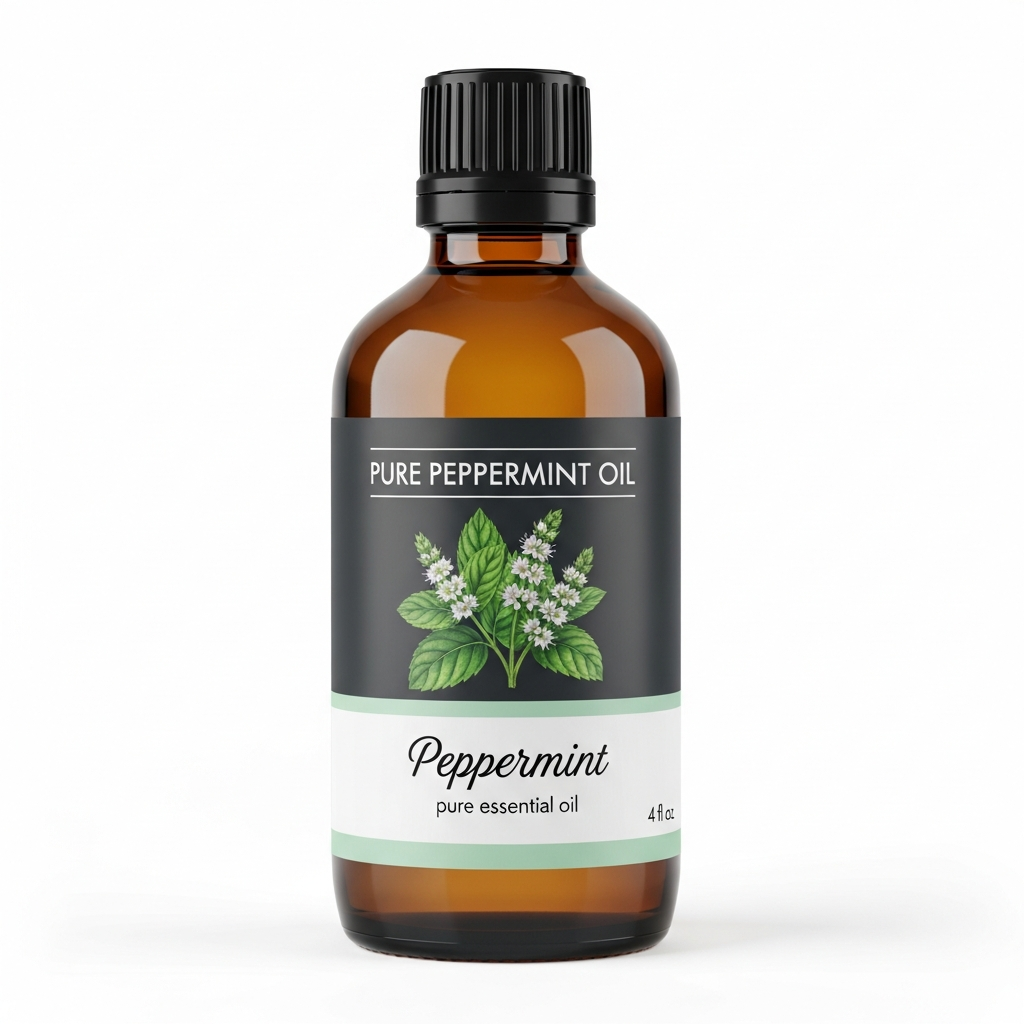
Peppermint Essential Oil
Our own Peppermint Essential Oil, in sizes from 0.5 oz to bulk.
From $10.99
Shop Now →A note before you read on: this page is an educational resource focused on aromatic and household use of peppermint oil. It does not constitute veterinary advice. Always consult a licensed veterinarian before using any essential oil around or on your dog.
The Basics: Understanding Peppermint Oil and Dogs
What is peppermint oil, exactly?
Peppermint oil is an essential oil steam-distilled from the leaves and stems of Mentha piperita, a hybrid mint plant. It is highly concentrated, which means a little goes a long way in any setting. If you want a deeper look at how it is produced and what it contains, our complete guide to peppermint oil covers sourcing, distillation, and quality in detail.
Why do people ask whether peppermint oil is safe for dogs?
Dogs have a dramatically more sensitive sense of smell than humans, with roughly 300 million olfactory receptors compared to our 6 million. What registers as a pleasant, refreshing scent to a person can be overwhelmingly intense for a dog. Beyond scent sensitivity, dogs may be exposed to essential oils through diffusion, topical products, or household surfaces, so understanding peppermint oil pet safety is genuinely important for responsible dog ownership.
Is peppermint oil the same as peppermint extract or peppermint flavoring?
No, and this distinction matters. Pure peppermint essential oil is a concentrated botanical extract used aromatically and cosmetically. Peppermint extract used in food is typically alcohol-based and far more diluted. Peppermint flavorings found in candies, gums, or baked goods are different formulations entirely. This FAQ focuses specifically on pure peppermint essential oil.
What makes peppermint oil particularly potent?
The primary component of peppermint oil is menthol, which gives the oil its signature cooling sensation and sharp aroma. Pure peppermint oil typically contains between 35 and 55 percent menthol, along with menthone, menthyl acetate, and other naturally occurring compounds. This concentration is what makes it so effective as an aromatic and what also demands caution when dogs are in the picture.
Direct Exposure: What to Avoid
Can I apply peppermint oil directly to my dog's fur or skin?
This is not recommended. Applying undiluted essential oils directly to a dog's coat or skin is widely discouraged by veterinary professionals. Dogs also groom themselves by licking, which means any oil applied to their coat can be ingested. Consult your veterinarian before using any essential oil product on or near your dog.
Is it safe to let my dog sniff the peppermint oil bottle?
Allowing a dog to sniff an open bottle of concentrated peppermint oil is not a good idea. The intensity of undiluted oil at close range can be overwhelming for a dog's sensitive nose. If your dog shows signs of discomfort around a scent (turning away, sneezing, pawing at the face, or leaving the room), take that as a clear signal to remove the source.
What if my dog licks peppermint oil off a surface?
If your dog licks any amount of pure peppermint essential oil, contact your veterinarian or a pet poison helpline right away. Do not wait to see if symptoms develop. Keep all essential oils stored securely out of reach of pets, in the same way you would store other concentrated household products.
Are peppermint oil-based insect repellent sprays safe to use on dogs?
Many commercial sprays marketed for use on or around pets contain various concentrations of peppermint or other essential oils. The safety of any specific product depends on its full formulation, concentration, and the size and health of your dog. Always read product labels carefully and ask your veterinarian before applying any such product to your pet.
Diffusers and Aromatherapy at Home
Can I use a peppermint oil diffuser in a home with dogs?
This is one of the most common peppermint oil pet safety questions, and the answer depends on how you use the diffuser. Passive diffusion at low intensity in a large, well-ventilated room may be less concerning than running a high-output ultrasonic diffuser in a small, closed space. The key principle is that your dog must always be able to leave the room freely. Never diffuse essential oils in a space where your dog cannot escape the scent.
How do I know if my dog is bothered by diffused peppermint oil?
Watch for behavioral signals: leaving the room, excessive sneezing, squinting, rubbing the face, drooling, appearing restless, or showing reluctance to enter a room where the diffuser is running. These are your dog's way of communicating that the scent is uncomfortable. If you notice any of these, turn off the diffuser and ventilate the space.
Are ultrasonic diffusers more concerning than passive reed diffusers?
Ultrasonic diffusers disperse a fine mist of water and oil particles into the air, which can coat surfaces and accumulate in a room faster than a reed diffuser, which releases scent slowly through evaporation. From a peppermint oil pet safety standpoint, ultrasonic diffusers in enclosed spaces generally warrant more caution when dogs are present. Always prioritize ventilation and your dog's ability to move freely away from the scent source.
Should I turn off my diffuser when I leave the house and my dog is home alone?
Yes. When your dog is home alone, they cannot communicate distress to you, and they may not be able to access a different room if the diffuser is running in a central area. It is a straightforward precaution to simply not run a peppermint oil diffuser when your dog is unsupervised in the same space.
Household Products Containing Peppermint Oil
Are peppermint oil-scented cleaning products safe to use around dogs?
Many household cleaners, surface sprays, and floor washes contain peppermint oil or peppermint fragrance. Dogs walk on cleaned floors and then lick their paws, so residue left on surfaces is a real consideration. Look for products specifically labeled as pet-safe, and allow cleaned surfaces to dry fully before allowing your dog back into the area. When in doubt, ask your veterinarian.
What about peppermint oil used in DIY home sprays or room fresheners?
Homemade sprays using peppermint oil as a room freshener or surface cleaner can leave droplets on floors, furniture, and fabrics where dogs rest and groom. If you make your own aromatic sprays, keep dogs out of the area during and immediately after application, and ensure the space is well-ventilated before they return.
My shampoo contains peppermint oil. Is that a problem if my dog sleeps in my bed?
The peppermint oil in a rinse-off personal care product like shampoo is typically present at low concentrations and is largely washed away during use. Residual scent on hair or skin after rinsing is generally far less concentrated than diffused oil. That said, if your dog is particularly sensitive to scents or tends to nuzzle your hair closely, it is worth being observant of their reaction.
Peppermint Oil as a Dog Deterrent
I have heard peppermint oil keeps dogs away from furniture or certain areas. Is this true?
Some people report that the strong scent of peppermint oil acts as a deterrent, discouraging dogs from approaching specific areas. This is based on anecdotal experience rather than established research. If you are considering using peppermint oil this way, the same cautions apply: avoid saturating areas where your dog walks or rests, ensure ventilation, and monitor your dog's response closely.
Is it humane to use peppermint oil as a deterrent spray?
Using any strongly scented substance to deter a dog raises animal welfare considerations. A dog's nose is their primary sense, and exposing them to an overwhelming scent to modify behavior is not the same as positive-reinforcement training. Many professional trainers recommend behavioral approaches over scent deterrents. If you have questions about managing your dog's behavior safely, a certified dog trainer or behaviorist is the right resource.
Does peppermint oil repel fleas or ticks on dogs?
Some people ask about peppermint oil in the context of pest deterrence for pets. This falls outside the scope of cosmetic and aromatic use, and we are not in a position to make claims about pest control efficacy. For questions about parasite prevention for your dog, please speak with your veterinarian, who can recommend evidence-based options appropriate for your dog's size and health status.
Special Considerations for Different Dogs
Are puppies more sensitive to peppermint oil than adult dogs?
Puppies have developing systems and are generally considered more vulnerable to environmental exposures than healthy adult dogs. The general guidance from veterinary professionals is to be especially cautious with essential oils of any kind around very young animals. If you have a puppy in your home, it is best to avoid peppermint oil use in shared spaces until you have spoken with your vet.
Are certain dog breeds more sensitive to essential oils?
Dogs with flat faces (brachycephalic breeds such as Bulldogs, Pugs, and Shih Tzus) may be more susceptible to respiratory irritation from airborne substances, including diffused essential oils. Small-breed dogs also have a smaller body mass, which can be a relevant factor. Senior dogs and those with existing health considerations deserve extra caution. Discuss your specific dog's profile with your veterinarian.
My dog seems completely unbothered by peppermint oil. Does that mean it is safe for them?
A dog that does not display obvious behavioral signs of discomfort is not necessarily unaffected. Some responses to aromatic substances are subtle or cumulative over time. The absence of visible distress is not a green light for liberal or prolonged use. Maintain conservative habits regardless of your individual dog's apparent tolerance.
What to Do in an Exposure Situation
What are the signs that my dog may have had a problematic exposure to peppermint oil?
Signs that warrant immediate veterinary contact can include drooling, vomiting, lethargy, wobbling or loss of coordination, pawing at the mouth or face, difficulty breathing, or any sudden change in behavior following possible exposure. This list is not exhaustive. If you suspect your dog has ingested or had significant skin contact with peppermint oil, contact your veterinarian or the ASPCA Animal Poison Control Center (888-426-4435) right away.
What should I do if I spill peppermint oil and my dog is nearby?
Move your dog to a different room immediately and close the door. Ventilate the area by opening windows, and clean up the spill carefully using dish soap and water. Do not allow your dog back into the area until it is fully cleaned and aired out. If your dog had direct contact with the spill, contact your veterinarian.
Where can I find more reliable information about essential oil safety for pets?
Your veterinarian is the most reliable source of guidance specific to your dog. The ASPCA Animal Poison Control Center maintains an extensive database of potentially hazardous substances for animals. For general reading on responsible essential oil use in the home, our articles on peppermint oil safety for cats and on peppermint oil for hair and scalp routines cover related topics with the same careful approach to responsible use.
A Final Word for Dog Owners
Peppermint oil is a genuinely wonderful aromatic oil for humans, offering a clean, invigorating scent for diffusers, personal care routines, and home environments. The goal of this page is not to alarm you, but to give you the honest, nuanced picture that peppermint oil dogs questions deserve. Your dog's comfort and safety come first. With good ventilation, secure storage, and open communication with your veterinarian, you can make informed choices about how and whether to use peppermint oil in a pet-sharing household.
Curious about what makes a high-quality peppermint oil worth choosing? Our complete guide to peppermint oil covers everything from botanical sourcing to what to look for on a product label.