
Peppermint Oil Price Guide: Why Prices Range So Widely and What Is Fair
A 10 ml bottle of peppermint oil can cost $5 at a discount retailer or $30 at a specialty botanical shop. Both bottles look nearly identical on the shelf. So what accounts for that price gap, and is the expensive one actually worth it? This guide breaks down the real drivers of peppermint oil cost, flags what to watch out for, and helps you find genuine peppermint oil value at every budget level.
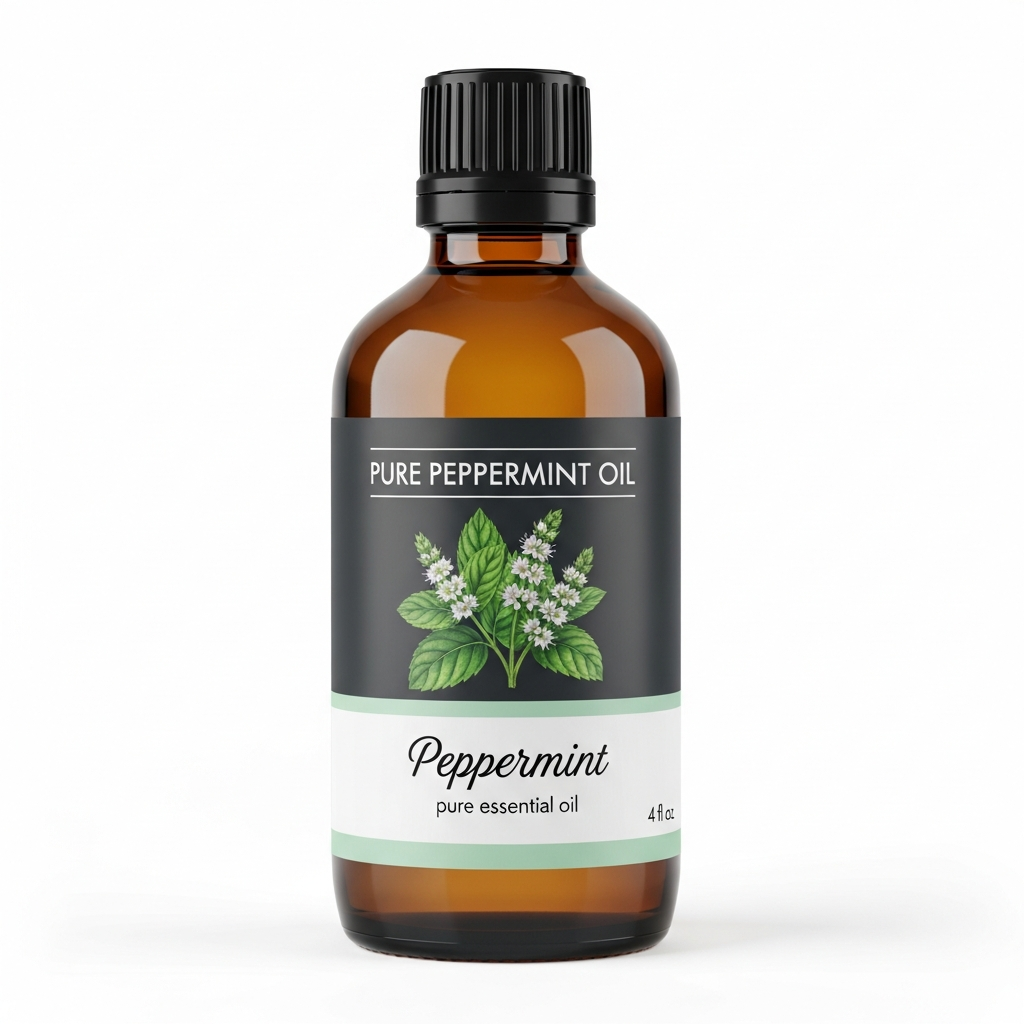
Peppermint Essential Oil
Our own Peppermint Essential Oil, in sizes from 0.5 oz to bulk.
From $10.99
Shop Now →Why Peppermint Oil Prices Vary So Much
Price variation in this category is rarely random. It reflects a tangle of factors: where the plant was grown, how the oil was distilled, whether it was tested independently, and how many hands it passed through before reaching yours.
Origin and Growing Conditions
Geography shapes chemistry. Peppermint grown in the Willamette Valley of Oregon, the fields around Yakima, Washington, or the mint-producing regions of northern India each produces oil with a distinct menthol profile and aroma character. Oils from established, regulated growing regions tend to command higher prices because of stricter agricultural oversight and consistent harvest quality. To understand how origin directly affects what you smell in the bottle, the article Yakima, Willamette, and India: How Origin Shapes Peppermint Oil covers the regional differences in depth.
Imported bulk oil that skips origin documentation is often cheaper to produce, and that savings gets passed along as a lower retail price. Whether that trade-off is worth it depends on what you need the oil for.
Distillation Method and Quality Controls
Steam distillation is the standard method for producing pure peppermint essential oil. The quality of that process matters enormously. Smaller-batch distillations tend to preserve more of the delicate aromatic compounds; large industrial runs prioritize volume. Producers who invest in stainless steel equipment, controlled distillation times, and rapid post-distillation cooling are operating at a higher cost basis, and you will see that reflected in the price.
Third-Party Testing
Gas chromatography and mass spectrometry (GC/MS) testing is the gold standard for verifying essential oil purity. Reputable producers publish these results, sometimes called certificates of analysis (COAs), and make them available to buyers. Running those tests costs money. Brands that skip independent testing can undercut on price, but they are also asking you to trust their word about what is actually in the bottle.
Adulteration and Synthetic Stretching
This is where budget prices get genuinely risky for quality-conscious buyers. Peppermint oil is one of the more commonly adulterated essential oils on the market. Menthol crystals, synthetic menthol, corn mint oil, or carrier oils are sometimes added to stretch volume without changing the label. The result smells roughly like peppermint, but the aromatic complexity is flat and the performance in fragrance or cosmetic applications is noticeably inferior. A GC/MS report is the only reliable way to confirm you are getting what the label promises.
Key Quality Indicators to Compare
When you are evaluating peppermint oil value, these are the factors that should drive your decision more than the price tag alone.
- Botanical name on the label: Look for Mentha piperita. Its presence signals a producer who understands transparency expectations.
- Country of origin: Stated clearly, not hidden in fine print or omitted entirely.
- GC/MS report availability: Scan a QR code, visit a website, or contact customer service. If a company cannot provide one, that is a signal worth noting.
- Harvest or batch date: Essential oils are not ageless. Fresher production dates generally indicate better aromatic quality.
- Dark glass packaging: Amber or cobalt glass protects volatile compounds from UV degradation. Plastic bottles are a red flag, especially for long-term storage.
- Certifications: USDA Organic certification adds cost but also adds a layer of third-party oversight on growing practices.
Peppermint Oil Price Ranges: What to Expect at Each Level
| Price Range (10 ml) | Typical Profile | Best For |
|---|---|---|
| Under $8 | Often unverified origin, no COA, possible adulteration | Caution advised; verify carefully before purchase |
| $8 to $15 | Reputable mid-market brands, basic transparency, COA sometimes available | Everyday diffusion, linen sprays, general aromatic use |
| $15 to $25 | Stated origin, published GC/MS, dark glass, often organic | Cosmetic formulating, personal care products, gifting |
| $25 and above | Single-origin, artisan distillation, detailed provenance, small batch | Enthusiasts, perfumers, those prioritizing maximum aromatic nuance |
Note that bottle size matters significantly when comparing prices. A $6 bottle at 5 ml costs more per milliliter than a $20 bottle at 30 ml from the same quality tier. Always calculate cost per milliliter before assuming you are getting a deal.
Top Picks at Different Price Points
Rather than listing specific brand names that may change formulations or availability, the more useful approach is understanding what to look for in each tier. For a full walk-through of how to evaluate a specific bottle before you buy, the guide How to Buy Pure Peppermint Oil: The Ultimate Quality Guide covers that process in detail.
Budget Pick (Under $12, 10 ml)
Look for brands that still provide a scannable batch-specific COA, even at lower price points. A handful of mid-market brands manage this. The scent may be simpler and the sourcing less traceable, but for diffusing in a large space or making cleaning sprays, that level of quality is often sufficient. Avoid any bottle without a botanical name on the label.
Mid-Range Pick ($15 to $22, 10 ml)
This is where the peppermint oil price-to-value ratio tends to be strongest. You can find USDA Organic certified oils with published third-party testing, dark amber glass, and stated country of origin. Brands in this range are generally producing for the serious home user and small-batch cosmetic formulator. The aroma is noticeably more complex: bright and crisp on the top note, with a cooling mid-body that holds in a diffuser blend.
Premium Pick ($25 and Above, 10 ml)
Single-origin oils from named farms or cooperatives occupy this space. You are paying for traceability, small-batch distillation, and often a more nuanced sensory profile. For natural perfumers or anyone formulating cosmetic products where ingredient provenance matters to their customers, the premium tier is a reasonable investment. For casual home diffusion, it is harder to justify the additional cost.
Red Flags to Avoid
The essential oil market has a low barrier to entry, which means substandard products are genuinely common. Keep an eye out for these warning signs when evaluating peppermint oil cost versus quality.
- "Fragrance oil" labeled as essential oil: These are not the same product. Fragrance oils are synthetic blends. The label should say "pure essential oil" or "100% essential oil."
- No botanical name: Legitimate producers always include Mentha piperita on the bottle or in the product listing.
- Identical prices across every oil in the range: A brand selling lavender, rose absolute, and peppermint all at $10.99 for 10 ml is almost certainly not selling pure products. Rose absolute alone costs significantly more to produce.
- Vague origin claims: "Sourced from nature" or "premium blend" tells you nothing useful.
- Plastic dropper inserts missing: Quality essential oil bottles include an orifice reducer or euro-dropper to control dispensing. Absence suggests low-cost packaging choices throughout.
- Claims that sound too good: Any seller making dramatic efficacy promises on their product page is sidestepping responsible labeling norms. It does not mean the oil is necessarily poor quality, but it is a signal about the company's overall standards.
Where to Buy: Channel Matters
Peppermint oil cost can shift significantly depending on where you purchase, and so can the likelihood of getting an authentic product.
Specialty Aromatherapy Retailers
Online shops dedicated to essential oils generally stock better-documented products. They attract buyers who ask questions about sourcing, so suppliers have incentive to maintain standards. The selection is usually narrower, but the quality baseline is higher.
Natural Health Food Stores
Brick-and-mortar natural retailers carry a curated selection and tend to vet their suppliers. You can often smell testers before purchasing, which is genuinely useful for a product that lives or dies by its aroma. Prices are often slightly above online equivalent, reflecting overhead.
Large Online Marketplaces
Convenient and often cheaper, but also the highest-risk channel for adulteration and mislabeling. If you buy here, stick to purchases fulfilled directly by established brands rather than third-party marketplace sellers, and always check for COA availability. Read reviews critically; look for comments about scent authenticity and packaging quality rather than health outcome stories.
Direct from the Producer
Buying directly from a distillery or farm cooperative typically gives you the clearest provenance and the freshest stock. It is not always the cheapest route, but the traceability is unmatched. Some producers sell directly through their own websites or at farmer's markets and regional expos.
A Note on Use Case and Value
Peppermint oil value is not a fixed thing. It depends on what you are doing with the oil. If your primary use is scenting a homemade room spray or adding a cooling note to a body scrub, a well-documented mid-range oil at $12 to $18 for 10 ml is excellent peppermint oil value. If you are formulating a lip balm line for retail sale and your customers expect ingredient transparency, paying $22 to $28 for a certified organic, single-origin oil makes clear business sense.
For anyone using peppermint extract in cooking or baking rather than cosmetic applications, it is worth reading Peppermint Essential Oil vs. Peppermint Extract: A Kitchen Comparison first. Essential oil and food-grade extract are different products with different use cases and very different concentration levels.
The Fair Price Summary
A fair peppermint oil price for a genuinely pure, well-documented 10 ml bottle sits between $12 and $25 depending on certification level and origin specificity. Below $8, the risk of adulteration or poor sourcing rises sharply. Above $25, you are paying for artisan-level provenance that is worthwhile for some buyers and unnecessary for others.
The most reliable shortcut: find the GC/MS report before you find the price. If a brand makes that document easy to access, they are likely making other good decisions too. Start there, compare costs second, and you will consistently find good peppermint oil value without overpaying or underbuying.