
Peppermint Essential Oil FAQ: 15 Common Questions Answered
If you have landed here with a list of peppermint oil questions, you are in good company. Peppermint essential oil is one of the most searched, most purchased, and most misunderstood oils on the market. Some questions are about quality and sourcing. Others are about safe use, scent character, or what the oil actually does around the home. This peppermint oil FAQ gathers the most common ones and gives you clear, honest answers.
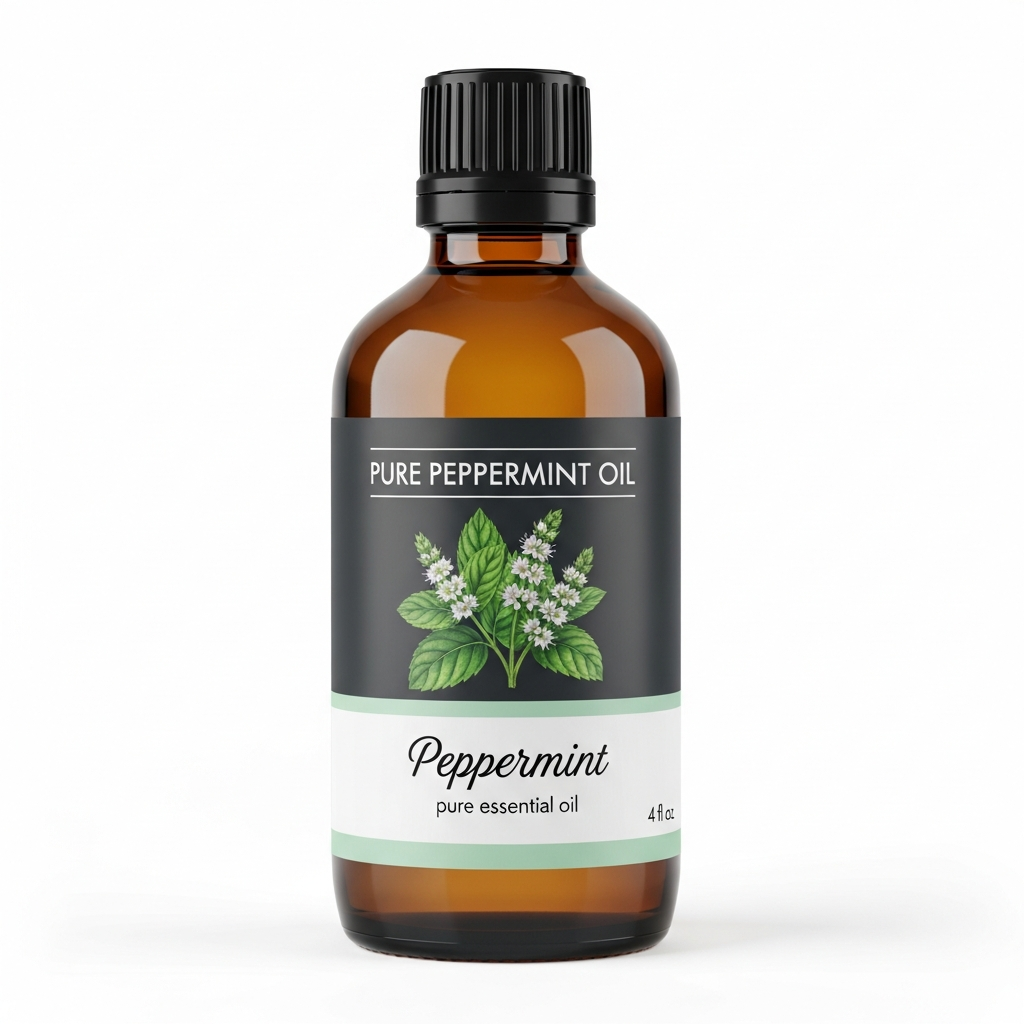
Peppermint Essential Oil
Our own Peppermint Essential Oil, in sizes from 0.5 oz to bulk.
From $10.99
Shop Now →For a deep dive into what peppermint oil actually is and where it comes from, see our complete guide to peppermint oil before reading further.
Quality and Sourcing
1. What does "pure" peppermint essential oil actually mean?
A pure peppermint essential oil contains only the steam-distilled or cold-pressed volatile compounds from Mentha piperita leaves, with no added solvents, synthetic fragrances, or carrier oils. The word "pure" has no regulated legal definition in the essential oil industry, so it is worth looking beyond the label. Reputable brands will provide a gas chromatography/mass spectrometry (GC/MS) report that confirms the oil's chemical profile matches genuine peppermint.
2. What is GC/MS testing, and why does it matter?
GC/MS stands for gas chromatography/mass spectrometry, an analytical method that identifies and measures the individual chemical constituents in an essential oil. For peppermint, you would expect to see menthol as the dominant component, typically between 35 and 55 percent, alongside menthone, menthyl acetate, and other naturally occurring compounds. A brand that publishes batch-specific GC/MS reports is giving you transparency about what is actually in the bottle.
3. Does the country of origin affect quality?
Yes, origin matters. The most widely regarded peppermint essential oil comes from the Pacific Northwest of the United States (particularly Oregon and Washington), as well as from India. Climate, soil composition, and harvest timing all influence the menthol content and the overall scent character of the finished oil. That said, a well-farmed, properly distilled Indian peppermint can be excellent, while a poorly handled domestic batch can disappoint. Always evaluate by GC/MS data alongside origin claims.
4. How can I tell if peppermint oil has gone bad?
Peppermint essential oil does oxidize over time, especially when exposed to heat, light, or air. Signs of degradation include a flatter, less crisp scent, a slightly harsh or chemical edge, and a noticeable color shift toward yellow or orange in oils that started out pale. Most peppermint oils have a shelf life of three to five years when stored properly. Keep bottles tightly capped, away from direct sunlight, and in a cool space to maximize longevity.
Scent and Aromatics
5. How would you describe the scent of peppermint essential oil?
Genuine peppermint essential oil opens with a sharp, clean burst of menthol that feels almost cold on the inhale. The mid-notes are green and slightly herbal, grounded by a soft, minty finish. The overall impression is bright and bracing rather than sweet. Spearmint, by contrast, is sweeter and gentler. If a peppermint oil smells like candy or mouthwash, that is often a sign of synthetic fragrance or blending with cheaper mint varieties.
6. What other essential oils blend well with peppermint?
Peppermint pairs naturally with eucalyptus for a cool, invigorating diffuser blend. It also works beautifully with rosemary, lemon, and lavender. Because peppermint is a top note with significant intensity, a little goes a long way in any blend. Start with one drop of peppermint for every three or four drops of softer oils, then adjust to your preference.
7. Can I use peppermint oil in a diffuser?
Absolutely. Diffusing is one of the most popular ways to enjoy peppermint oil's crisp, lively aroma. Add three to five drops to an ultrasonic diffuser filled with water and run it in well-ventilated rooms. Peppermint oil diffused in a workspace or during a morning routine is a popular choice for people who want a refreshing shift in atmosphere. Keep diffusion sessions to 30 to 60 minutes at a time, especially in shared spaces with children or pets nearby.
Dilution and Topical Use
8. Does peppermint essential oil need to be diluted before applying to skin?
Yes, always dilute peppermint essential oil before applying it to skin. Undiluted essential oils are highly concentrated and can cause skin irritation or sensitization. A standard dilution for adults is 1 to 2 percent, meaning 6 to 12 drops of essential oil per ounce (30 ml) of carrier oil. For the face, sensitive areas, or first-time use, start at the lower end of that range.
9. Which carrier oils work best with peppermint?
Lighter carrier oils such as fractionated coconut oil, jojoba, or sweet almond oil are popular choices because they absorb relatively quickly and do not compete with peppermint's fresh scent profile. For a cooling scalp blend, fractionated coconut oil is a practical option because it stays liquid at room temperature. If you prefer a richer texture for body use, sunflower or apricot kernel oil both work well.
10. Is a patch test really necessary?
Yes. Even at recommended dilution rates, individual skin responses to essential oils vary. Apply a small amount of your diluted blend to the inside of your forearm and wait 24 hours before broader use. If you notice redness, itching, or discomfort, discontinue use. People with sensitive skin tend to benefit from starting at a 0.5 percent dilution. Consulting a qualified healthcare provider is always a good idea before adding any new topical product to your routine.
Hair and Scalp Use
11. Can peppermint oil be used in hair care?
Peppermint oil is a popular addition to scalp and hair care routines. Its high menthol content creates a noticeable cooling sensation on the scalp, which many people find refreshing. Some research suggests that peppermint oil, when properly diluted and applied to the scalp, may support the appearance of a healthy scalp environment. Always dilute to 1 to 2 percent in a carrier oil or an unscented shampoo base before applying. For more ideas, browse our 25 fresh peppermint oil uses for home and hair.
12. Can I add peppermint oil directly to my shampoo bottle?
Yes, blending a few drops into an unscented or lightly scented shampoo is one of the easiest ways to incorporate peppermint oil into a hair routine. A reasonable starting point is 5 to 10 drops per 8-ounce bottle of shampoo, which delivers roughly a 0.5 to 1 percent dilution. Shake or stir the bottle before each use, as essential oils and water-based products can separate over time.
Safety and Precautions
13. Is peppermint essential oil safe for children?
Peppermint oil requires extra caution around young children. Most aromatherapy safety guidelines advise against applying peppermint oil to or near the face of children under six years old, particularly around the nose and mouth area. For children, gentler oils like lavender or chamomile are typically recommended instead. If you are considering using any essential oil around or on a child, consulting a qualified healthcare provider first is strongly advised.
14. Is peppermint essential oil safe for dogs?
This is a question that deserves careful attention. Dogs have a significantly more sensitive olfactory system than humans, and peppermint oil at full strength can be overwhelming or irritating to them. Many professional aromatherapists advise keeping peppermint oil diffusion away from spaces where dogs spend time and avoiding direct application to a dog's skin or coat without veterinary guidance. For a thorough look at this topic, read our article on peppermint oil safety for dogs before making any decisions.
15. Can peppermint oil be ingested?
This FAQ covers cosmetic and aromatic use only, and ingestion falls outside that scope. Decisions about internal use of any essential oil should be made with guidance from a qualified healthcare provider who is trained in essential oil safety. The concentration levels in essential oils are dramatically higher than in culinary extracts, and the risk profile is different.
Everyday and Home Use
16. How can I use peppermint oil around the home?
Beyond personal care and diffusing, peppermint oil is a popular addition to homemade linen sprays, surface cleaning blends (combined with appropriate cleaning agents), and drawer sachets. Its fresh, clean scent profile makes it a natural fit for kitchens and bathrooms. A few drops on a cotton ball placed near entryways is a common DIY approach for people looking to create a more inviting-smelling home environment.
17. How much peppermint oil should I use in a room spray?
A widely used starting ratio for a DIY room spray is 20 to 30 drops of essential oil per 4 ounces (120 ml) of distilled water, combined with a small amount of a dispersant such as witch hazel or unscented alcohol to help the oil blend into the water. Peppermint oil is strong, so starting at 15 drops and adjusting upward lets you land on the intensity that suits your space. Always shake the bottle before each use and avoid spraying directly onto fabrics without testing first.
18. Can peppermint oil be used in candle or soap making?
Yes, peppermint essential oil is a popular choice among crafters for both cold-process soap and candle projects. In soap, it holds its scent reasonably well through the saponification process, though some menthol character softens over time. In soy or beeswax candles, peppermint provides a clean, cooling throw. Fragrance load recommendations vary by wax type, so following the supplier guidelines for your specific wax is important for both scent performance and safety.
Purchasing and Storage
19. What bottle size should I buy?
If you are new to peppermint essential oil, a 10 ml or 15 ml bottle is a sensible starting point. It gives you enough product to explore diffusing, a scalp blend, or a room spray without committing to a large quantity of an oil you may not love. Regular users who diffuse daily or make DIY products in batches will find a 1 oz (30 ml) or larger size more economical over time.
20. Should peppermint essential oil be stored in the refrigerator?
Refrigeration is not strictly necessary for peppermint oil, but it is not harmful either. What matters most is keeping the oil away from heat and direct sunlight. A dark cabinet, a drawer, or a dedicated essential oil storage box at room temperature works perfectly well for most users. If you live in a very warm climate and buy in bulk, cooler storage can extend shelf life noticeably.
21. Why does peppermint oil sometimes crystallize or look cloudy?
Menthol, the primary component of peppermint essential oil, can crystallize at cool temperatures. If your oil looks cloudy or has visible crystal formations when stored in a cold environment, this is a natural characteristic of a high-menthol oil rather than a sign of spoilage. Gently warming the bottle in your hands or placing it in a warm (not hot) water bath for a few minutes will return the oil to its clear, liquid state.
Peppermint Oil Explained: A Few Final Notes
Peppermint essential oil is one of the most straightforward oils to get started with, but like all concentrated botanicals, it deserves respect. Proper dilution, thoughtful sourcing, and a little patience in finding the right blends and applications will take you a long way. If your questions go beyond cosmetic and aromatic use, a qualified aromatherapist or healthcare provider is the right person to consult.
Ready to put your knowledge to work? Visit our 25 fresh ideas for using peppermint oil at home and in your hair care routine for practical, well-tested starting points.