
Peppermint Oil Benefits, Honestly: Cool Facts Without the Overclaims
Spend five minutes searching for peppermint oil benefits online and you will find some genuinely extraordinary claims. Peppermint oil, according to various corners of the internet, can do almost anything short of filing your taxes. Some of it is grounded in real research. Some of it is wishful thinking dressed up as science. And a surprising amount falls somewhere murkier in between.
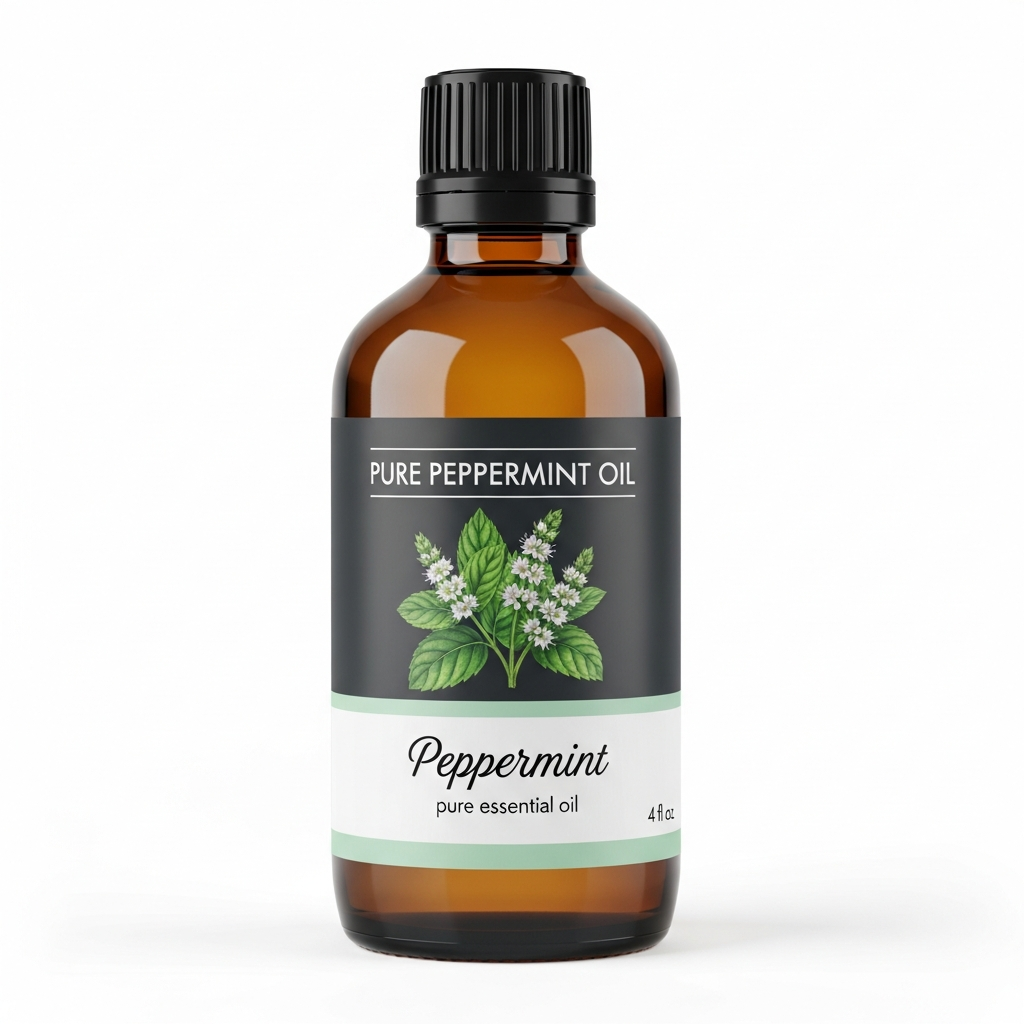
Peppermint Essential Oil
Our own Peppermint Essential Oil, in sizes from 0.5 oz to bulk.
From $10.99
Shop Now →This article takes a myth-by-myth approach. The goal is not to tear down peppermint essential oil, which has a genuinely interesting research profile and centuries of documented use. The goal is to be honest about what evidence actually shows, what remains uncertain, and why the myths exist in the first place. If you want the full botanical backstory, the complete guide to peppermint oil is a good place to start.
Why Peppermint Oil Myths Spread So Easily
Peppermint has a long history. Dried peppermint leaves have been found in Egyptian tombs. Ancient Greek and Roman cultures used the plant in cooking, fragrance, and ritual. That depth of traditional use gives peppermint a kind of cultural authority that can make exaggerated claims feel plausible.
Add to that the very real, very immediate sensory effect of menthol (the primary active compound in peppermint oil), and you get a product that feels powerful the moment you use it. That cooling sensation is genuine. It is not a placebo. But the jump from "this feels noticeably cool" to "this resolves everything" is where things go sideways.
Understanding the chemistry helps. Menthol activates cold-sensitive receptors in the skin, which creates that signature cooling sensation without any actual drop in temperature. It is a fascinating piece of biology. The chemistry of menthol and why it feels so cool goes deeper into exactly how that works.
The Myths, Examined One by One
Myth 1: Peppermint Oil Is Safe to Use Undiluted
The myth: Peppermint oil is natural, so applying it directly to skin is fine. More is better.
The truth: Pure peppermint essential oil is highly concentrated. A single drop can contain the aromatic compounds of many pounds of plant material. Applying it directly to skin without dilution can cause significant irritation, redness, and sensitization, especially in people with reactive skin. Some individuals report a burning sensation that bears no resemblance to the pleasant cooling they expected.
Standard dilution guidance from professional aromatherapy bodies suggests using peppermint oil at around 1 to 2 percent in a carrier oil for most topical applications. That typically means 6 to 12 drops of essential oil per ounce of carrier. For the face or for people with sensitive skin, staying closer to 0.5 to 1 percent is a more cautious approach.
Why the myth exists: The "natural equals safe" logic is deeply embedded in wellness culture. It is understandable but does not hold up under scrutiny. Plenty of natural substances require careful handling. Peppermint oil is one of them.
Safety note: Always patch test diluted peppermint oil on a small area of skin before broader use. Keep essential oils away from eyes, mucous membranes, and broken skin. Consult a qualified healthcare provider before using on children, during pregnancy, or if you have any existing health considerations.
Myth 2: All Peppermint Oils Are Basically the Same
The myth: Peppermint oil is peppermint oil. Brand does not matter. The cheapest option is perfectly fine.
The truth: Quality varies considerably. Peppermint oil can be adulterated with synthetic menthol, diluted with carrier oils and sold as pure, or harvested from plants grown under conditions that affect the final chemical profile. The menthol content of genuine peppermint oil typically ranges from 35 to 55 percent, but some lower-quality products fall outside that range due to adulteration or poor sourcing.
Gas chromatography and mass spectrometry (often abbreviated as GC-MS) testing is the industry standard for verifying essential oil composition. Reputable suppliers provide these test results, either on request or published alongside each batch. If a brand cannot tell you where their peppermint was grown, how it was distilled, or whether it has been third-party tested, that is worth pausing on.
Geographic origin also matters. Peppermint grown in the Pacific Northwest of the United States, for instance, tends to produce oil with a distinctive menthol character. Indian and European sources have their own profiles. These are not interchangeable, and labeling them identically oversimplifies the reality of botanical sourcing.
Why the myth exists: Essential oils look similar in a bottle. Without visible indicators of quality, it is easy to assume the differences are mostly marketing. They are not.
Myth 3: Inhaling Peppermint Oil Will Immediately Sharpen Your Focus
The myth: Diffuse peppermint oil and your concentration will improve within minutes. It is basically a natural study drug.
The truth: This one is more nuanced than a flat denial. Some research suggests that the scent of peppermint may be associated with perceived alertness and a sense of mental freshness. A number of small studies have looked at peppermint aroma and cognitive performance, with some finding modest positive associations in areas like alertness and reaction time.
However, the research is preliminary. Study sizes tend to be small. Methodologies vary. And there is a meaningful difference between "some people report feeling more alert after inhaling peppermint" and "peppermint oil scientifically improves cognitive function." The former is an honest description of the current evidence. The latter goes further than the data supports.
What is more confidently supported is the experiential quality of peppermint's scent. It is crisp, bright, and genuinely stimulating to the senses. Using it in a workspace or during a mid-afternoon slump may contribute to a more alert atmosphere and a shift in how a space feels. That is meaningful, even if it is not the same as a documented cognitive boost.
Why the myth exists: Personal experience with peppermint often does produce a feeling of alertness. The jump from personal experience to universal scientific fact is the problem, not the experience itself.
Myth 4: More Menthol Always Means Better Oil
The myth: The higher the menthol content, the more potent and effective the oil. Always seek the highest percentage possible.
The truth: Peppermint oil is a complex mixture of compounds, not just menthol. In addition to menthol, a well-sourced peppermint oil contains menthone, menthyl acetate, menthofuran, 1,8-cineole, and a range of minor constituents that together create the characteristic scent profile. These compounds work together. Isolating or amplifying just one changes the overall character.
Very high menthol content can sometimes indicate a blended or manipulated product, not a superior one. Genuine steam-distilled peppermint oil has a balanced profile. The menthol is prominent, yes, but the supporting cast of compounds is what makes the scent rich, rounded, and true to the plant.
For those who want to understand this chemistry more deeply, the breakdown of peppermint oil's key compounds explains how each one contributes to the overall experience.
Why the myth exists: Menthol is the most recognizable and measurable component of peppermint oil. It is easy to market a number. But good essential oil is more than a single metric.
Myth 5: Peppermint Oil Benefits Are Backed by Overwhelming Scientific Proof
The myth: Peppermint oil is so well-studied that its benefits are considered established fact by the scientific community.
The truth: The research picture is genuinely interesting but still developing. Some applications of peppermint oil, particularly in the aromatic and topical space, have been the subject of credible studies. Others are supported mainly by tradition and anecdote, with limited rigorous research behind them.
Responsible discussion of the benefits of peppermint oil means acknowledging this distinction. "Evidence indicates a possible association" is different from "proven to do X." Preliminary research is still research worth knowing about, but it deserves to be framed accurately.
This is actually one of the reasons peppermint oil is such a compelling subject. The science is ongoing. New studies continue to examine its compounds and potential applications. That is an exciting story to follow honestly rather than pre-empt with overclaims that will not age well.
Why the myth exists: Wellness marketing has a strong incentive to present the most favorable possible reading of any available research. "Some preliminary evidence suggests a possible association" does not move product the way "clinically proven" does, even though the former is accurate and the latter is not.
Myth 6: Peppermint Oil Has No Downsides
The myth: Because peppermint is a plant and has been used for centuries, it is universally safe for everyone with no precautions needed.
The truth: Peppermint oil has a number of well-documented considerations that are worth taking seriously. Among the most important:
- Children and infants: Peppermint oil is generally not recommended for use on or near young children, particularly babies and toddlers. The menthol content can cause breathing difficulties in very young children. Many professional aromatherapy guidelines recommend avoiding it entirely for children under six.
- Skin sensitization: Repeated use of improperly diluted peppermint oil can cause sensitization over time, where the skin becomes increasingly reactive even to small amounts.
- Eye and mucous membrane sensitivity: Even diffused peppermint oil can irritate eyes. Keep diffusion in well-ventilated spaces and avoid directing diffuser output toward faces.
- Individual reactions: Some people simply do not respond well to peppermint oil aromatically or topically, regardless of dilution. Personal tolerance varies.
None of this makes peppermint oil dangerous when used thoughtfully. But "natural" is not the same as "without precautions." Informed use is always better than uninformed enthusiasm.
Why the myth exists: The cultural narrative around natural products often skips nuance in favor of reassurance. That is understandable but not always accurate.
What Honest Peppermint Oil Benefits Actually Look Like
Strip away the overclaims and what remains is still genuinely worthwhile. Peppermint essential oil benefits, described honestly, include:
- A distinctive, immediately recognizable cooling scent profile that many people find refreshing in aromatic and personal care applications
- Menthol's well-established sensory cooling effect on skin, which people often incorporate into post-activity routines, scalp care, and foot soaks
- A bright, clarifying quality in aromatherapy diffusion that may contribute to a more alert and energized atmosphere in a room
- Versatility across home fragrance, personal care formulations, and cosmetic applications
- A rich botanical history and an active research profile that continues to generate interesting findings
These are real. They do not require exaggeration to be worth your attention.
Becoming a More Informed Peppermint Oil User
The best thing you can do with any essential oil is read critically. Ask where the oil was sourced. Look for GC-MS batch results. Understand what dilution ratios are appropriate for your intended use. Notice when marketing language makes claims that sound more like drug advertising than honest botanical education.
Peppermint oil does not need to be overpromised. It is a fascinating, well-studied botanical product with a long history and a distinctive sensory character. Understanding it accurately is more interesting than believing the myths.
For answers to the most common questions people bring to peppermint oil, the peppermint essential oil FAQ covers fifteen of the most frequently searched topics in one place.
And if you are just beginning to explore what peppermint oil actually is, where it comes from, and how it is made, the complete guide to peppermint oil is the right place to start. Good information makes for better choices. That is true whether you are choosing an oil, a brand, or a way to use what you have already bought.