
Peppermint Oil Safety Basics: Dilution, Patch Tests, Kids, and Sensible Limits
Peppermint oil is one of the most beloved and widely used essential oils in the world, and for good reason. Its scent is unmistakable: crisp, cool, and instantly invigorating. But that potency is exactly why peppermint oil safety deserves your full attention before you open the bottle.
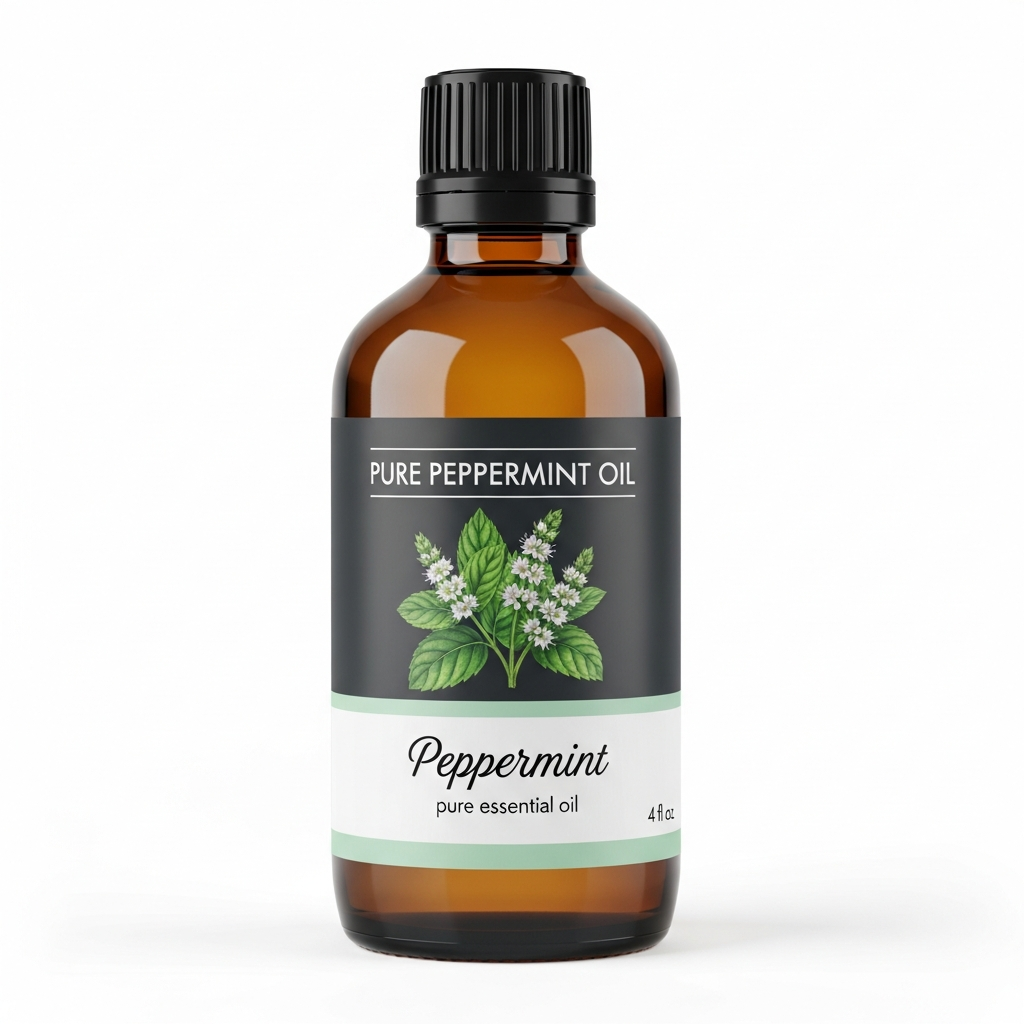
Peppermint Essential Oil
Our own Peppermint Essential Oil, in sizes from 0.5 oz to bulk.
From $10.99
Shop Now →This guide walks you through the fundamentals in plain language. You will learn how to dilute properly, how to perform a patch test, what the current guidance says about children and peppermint, and where the sensible limits are. If you are new to essential oils, consider reading our complete guide to peppermint oil first to get grounded in the basics before diving into application.
Why Peppermint Oil Demands Respect
Pure peppermint oil is highly concentrated. A single drop contains the volatile compounds drawn from a significant quantity of peppermint plant material. Menthol, the compound responsible for that signature cooling sensation, is the dominant constituent and it is genuinely powerful on skin and mucous membranes. You can read more about the chemistry behind it in our piece on menthol and the chemistry of cool.
Used thoughtfully, peppermint oil can be a wonderful addition to skincare routines, home fragrance, and personal care products. Used carelessly, it can cause skin irritation, sensitization, or discomfort, particularly for people with reactive skin. None of this is meant to be alarming. It is simply the honest context you need to use this oil well.
What You Will Need
Before you begin any peppermint oil application, gather these materials:
- Pure peppermint essential oil (single-origin, clearly labeled with botanical name Mentha piperita)
- A carrier oil (jojoba, fractionated coconut oil, sweet almond oil, and sunflower oil are all suitable choices)
- A small glass or dark-colored mixing vessel (avoids plastic degradation from essential oils)
- A pipette or dropper for precise measurement
- A clean cosmetic spatula or stirring rod
- A patch of clean skin on your inner forearm for testing
- Mild, unscented soap and water nearby for rinsing if needed
Quality matters at the start. An adulterated or synthetic peppermint oil may behave unpredictably on skin. Look for oils that are third-party tested and provide a gas chromatography (GC) report or certificate of analysis on request.
Peppermint Oil Dilution: The Core Skill
Proper peppermint oil dilution is the single most important safety practice for anyone applying this oil to skin. Essential oils should never be applied neat (undiluted) to skin as a routine practice. Peppermint oil in particular has a high menthol content that can cause a strong cooling sensation to cross into genuine irritation when used at full strength.
Understanding Dilution Percentages
Dilution is expressed as a percentage of essential oil to total carrier volume. Here is a practical reference table based on widely cited aromatherapy guidance:
| Use Case | Dilution Rate | Drops of EO per 1 tsp (5 ml) Carrier |
|---|---|---|
| Sensitive or facial skin | 0.5% | 1 drop |
| General body use (adults) | 1% | 1 drop per tsp (use 2 tsp for 2 drops) |
| Localized adult use (feet, shoulders) | 2% | 2 drops |
| Occasional, small-area use (adults) | 3% | 3 drops |
| Bath blends (dispersed in milk or salts) | 1% or less | 1 drop per tsp of dispersant |
A 1% dilution is a reliable starting point for most adults using peppermint oil for skin. It delivers the scent and sensation without overloading the skin. Many experienced users find they prefer staying at 1 to 2% for daily use.
Tip: One drop of essential oil in 5 ml of carrier oil equals roughly a 1% dilution. Keep a small notebook where you record your blends so you can repeat what works and avoid what does not.
Step-by-Step: How to Dilute Peppermint Oil for Skin
- Choose your carrier oil. Jojoba is a popular choice for facial and general skin use because it is lightweight and closely resembles the skin's natural sebum. Fractionated coconut oil is excellent for body blends as it stays liquid at room temperature and has a neutral scent that won't compete with peppermint.
- Measure your carrier into a clean vessel. Use a pipette for accuracy. If you are making a 1% blend for a small amount, start with 5 ml (one teaspoon) of carrier oil.
- Add the correct number of drops. For a 1% dilution in 5 ml, add exactly 1 drop of peppermint essential oil. Count carefully. Peppermint oil flows quickly from standard orifice reducers.
- Stir gently. Use your spatula or rod to combine the oils. Essential oils blend readily into carrier oils.
- Transfer to a labeled container if storing. Use a dark glass bottle to protect from light degradation. Label with the date, oil name, and dilution percentage.
How to Perform a Patch Test
A patch test is a simple screening step that can save you from a frustrating skin reaction. It does not guarantee that you will never develop sensitivity, but it identifies obvious reactivity before you apply a blend more broadly.
Step-by-Step Patch Test Protocol
- Prepare your diluted blend first. Never patch test undiluted essential oil on skin. Use the dilution rate you intend to use in practice.
- Choose a test site. The inner forearm (the soft skin on the inside of your wrist or elbow crease) is the standard location. It is easy to monitor and easy to rinse.
- Apply a small amount. Use a clean fingertip or cotton swab to apply a pea-sized amount of the diluted blend to the test site.
- Leave it undisturbed. Do not cover the area. Leave it for 24 hours without washing, if possible. You will likely notice the cooling sensation of menthol immediately. That is normal and expected.
- Monitor over 24 hours. Check at 30 minutes, at 4 hours, and again at 24 hours. Look for redness, itching, raised skin, or any persistent discomfort beyond the initial mild cooling.
- Interpret your results. Mild cooling that fades within 10 to 15 minutes is a normal menthol response, not a reaction. Persistent redness, itching, or a rash-like appearance suggests sensitivity to this blend at this concentration. Try a lower dilution, or consult a dermatologist.
- Rinse if uncomfortable. If the sensation feels excessive at any point, wash the area gently with mild soap and water. Avoid using water alone as it can spread oil across more skin surface.
Peppermint Oil and Children: What the Guidance Says
This section deserves its own space because the guidance here is specific and widely agreed upon among aromatherapy educators and safety organizations.
Peppermint oil is generally not recommended for use on or near children under 6 years of age. Some guidance extends that caution to children under 10. The primary concern is menthol's effect on the respiratory reflex in young children. Even indirect exposure (such as diffusing in a small, enclosed space or applying to areas near a child's face) is best avoided in this age group.
For children aged 6 and older, some aromatherapy educators suggest very low dilutions (0.5% or less) applied only to feet or legs, away from the face. That said, individual children vary considerably in sensitivity. Always consult a qualified healthcare provider before using any essential oil on or around a child.
Specific Practices to Avoid with Children
- Never apply peppermint oil (diluted or not) to a child's face, neck, or chest
- Avoid diffusing peppermint oil in rooms where infants or toddlers are present
- Keep all essential oil bottles out of reach. Even small amounts of undiluted peppermint oil can cause serious discomfort if ingested
- Do not add peppermint oil to bath water for young children
Sensible Limits for Adults
Even for adults with no known sensitivities, there are practical limits worth respecting.
Frequency and Area of Application
Applying a diluted peppermint blend to a large portion of your body every day is a very different practice from using it on your temples or feet occasionally. Skin sensitization (where skin that once tolerated an oil gradually becomes reactive to it) can develop with cumulative overuse. Vary your oils, keep dilutions conservative, and avoid blanket full-body application as a daily routine.
Diffuser Use
Peppermint oil diffuses beautifully and fills a room with its signature scent at very low concentrations. A few drops in a standard 100 ml ultrasonic diffuser for 30 to 60 minutes is typically sufficient. Running a diffuser continuously in a small space for hours can be overwhelming, particularly for people with scent sensitivity, pets, or respiratory considerations. Diffuse in intervals and keep rooms ventilated.
Who Should Use Extra Caution
- Pregnant or breastfeeding individuals: Consult a qualified healthcare provider before using peppermint oil during pregnancy or while nursing.
- People with known fragrance sensitivities: Start at the lowest possible dilution and patch test carefully.
- Pet owners: Cats and small animals are particularly sensitive to essential oils. Avoid applying peppermint oil in areas where pets rest, and ensure good ventilation when diffusing.
- People taking prescription medications: Some essential oil constituents may interact with medications. Always check with your pharmacist or healthcare provider.
Common Mistakes to Avoid
Even well-intentioned users make these errors. Knowing them in advance puts you ahead.
- Applying neat oil "just this once." It is tempting when you want fast results, but undiluted peppermint oil applied to skin is one of the most common causes of essential oil irritation. The one-time shortcut can create lasting sensitivity.
- Using water to dilute essential oils. Oil and water do not mix. Attempting to dilute peppermint oil with water before applying to skin simply spreads undiluted droplets unpredictably. Always use a proper carrier oil or dispersant.
- Skipping the patch test because you've used peppermint before. Sensitivities can develop over time. A product you have used for a year can become irritating. Patch test new batches and new blends.
- Storing blends in plastic containers. Essential oils can degrade certain plastics and may leach compounds from the container into your blend. Use glass or high-quality PET containers labeled as essential-oil-safe.
- Ignoring the expiry. Peppermint oil oxidizes over time. Oxidized oils are more likely to cause skin irritation. Store in a dark, cool location and use within two to three years of opening.
What to Expect When You Get It Right
When peppermint oil is properly diluted and suited to your skin type, the experience is genuinely pleasant. On skin, a 1 to 2% blend may offer a light cooling sensation, a clean scent, and a pleasant textural experience from the carrier oil. People who use peppermint oil in foot blends often report that the cooling quality feels refreshing after long days. Those who use it in scalp blends note a mild tingling that many find invigorating.
In the diffuser, the scent can make a room feel fresher and more alert. Many people find it a useful addition to morning routines or focused work sessions. Some research suggests that the scent of peppermint may support a sense of alertness, though individual responses vary. You can explore more of what researchers and enthusiasts have observed in our article on peppermint oil benefits: honestly cool facts without the hype.
The goal is a positive, repeatable experience. That happens when the oil is pure, the dilution is appropriate, and the use is consistent with good sense. No single oil needs to be used at maximum strength or maximum frequency to be worthwhile. A little, done correctly, goes a long way.
A Quick Reference Summary
- Always dilute peppermint oil before applying to skin. Use 1% as your starting point for adults.
- Patch test every new blend before broader use. Wait 24 hours for a full read.
- Keep peppermint oil away from children under 6 (and ideally under 10). Never apply near the face or neck of a child.
- Diffuse in intervals with ventilation rather than continuously in sealed spaces.
- Store in dark glass, away from heat and light, and note when you opened the bottle.
- When in doubt about suitability for your personal health situation, consult a qualified healthcare provider.
Peppermint oil rewards the user who takes a moment to understand it. These practices are not complicated. They are simply the difference between a great experience and a frustrating one.