Does Peppermint Oil Go Bad? Signs and Storage Tips
The date on a bottle of peppermint oil is an estimate about oxidation, not a measurement of the bottle in your hand. What really decides whether an older bottle is still worth using is where it has lived, how much air it has seen, and what you plan to do with it. That is good news, because all three are in your control.
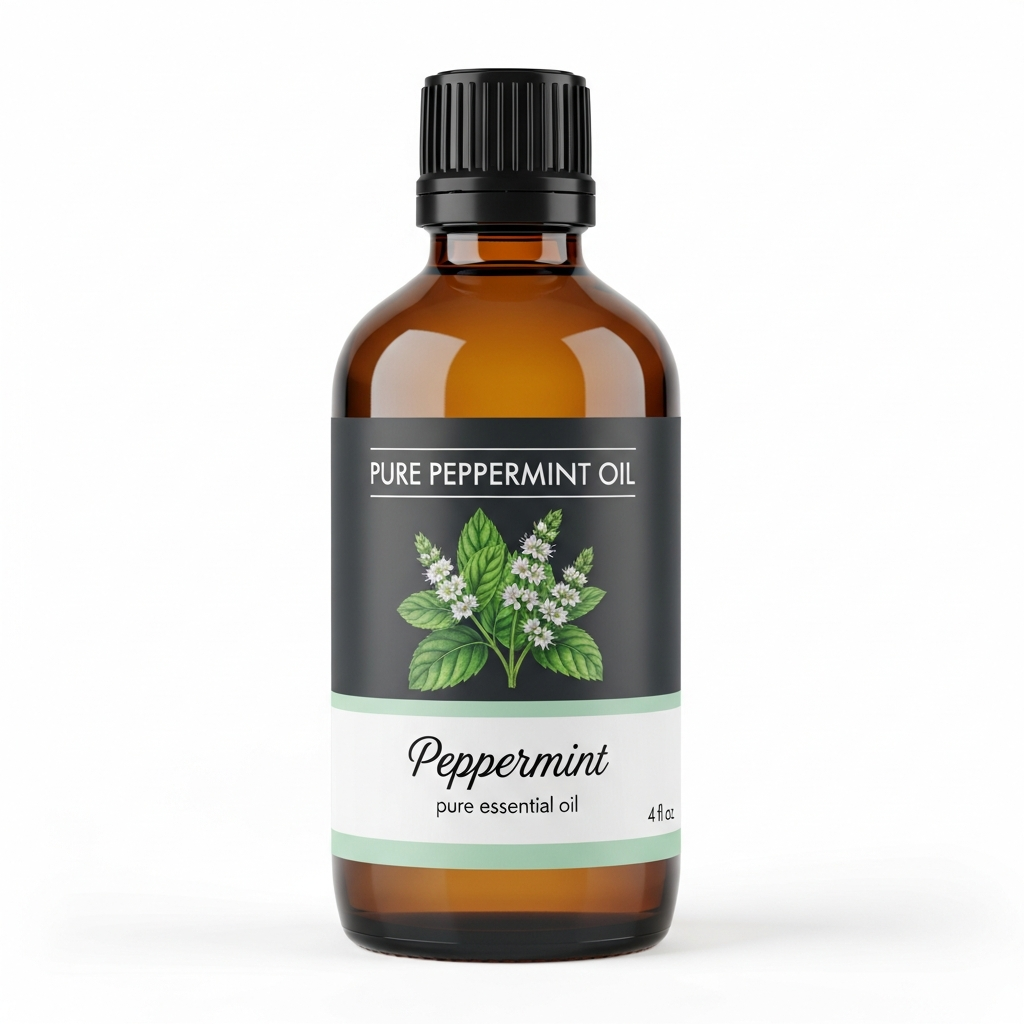
Peppermint Essential Oil
Our own Peppermint Essential Oil, in sizes from 0.5 oz to bulk.
From $10.99
Shop Now →The two figures we give
We say our Mentha piperita typically keeps 3 to 5 years and our Mentha arvensis (cornmint) typically 2 to 3 years, provided the bottle stays capped, upright and shielded from heat and sunlight. Treat those as planning ranges. The gap between them is a reminder not to read the numbers as physics. Even Purdue's mint-oil extension page, written from the grower side, says only that mint oil can be kept two or more years if it is stored properly to reduce oxidation or heat deterioration (Purdue Extension). The pattern is consistent: air, heat and light age the oil, and good storage slows all three.
Why it matters more on skin than in a room
Peppermint oil carries a little limonene, listed at 1.0 to 3.0% in the ISO profile reproduced by the Cosmetic Ingredient Review (CIR, 2018). Limonene is one of the best-studied terpenes for what happens when it oxidizes. In a Dutch clinic that patch tested 821 consecutive patients, 9.4% reacted to limonene hydroperoxides at 0.3% in petrolatum (Dittmar and Schuttelaar, 2019).
Keep that in proportion. Those were people being tested for dermatitis, and the test material was a deliberately oxidized pure compound, not aged peppermint oil. What we can reasonably take from it is narrower: the skin hazard the study documents grows with oxidation, so an oil you suspect is old should come off your skin-use list first. It is still lovely in a room, a drawer sachet or a cleaning bucket. For skin, our guidance of 0.5% to 2% in a carrier with a patch test applies, and an old bottle deserves the low end.
The air in the bottle
If oxygen ages the oil, a half-empty bottle has more to work with than a full one. A 16 oz bottle with 1 oz of oil left holds about 15 oz of air, which is roughly 444 ml (arithmetic: 15 x 29.57 ml). Decanting that last ounce into a 1 oz bottle filled to the neck leaves almost none. The same reasoning is why we suggest decanting working amounts from large containers into small airtight bottles: you open the small one often and the big one rarely.
Will you finish it in time?
This is the decision that matters most for bigger sizes. Take a 5 lb container. At a general density of about 0.90 g/ml (the USP range in the CIR report is 0.896 to 0.908; we do not publish a density for our oils) that is roughly 2,520 ml. To use it up in three years you would need about 70 ml a month, and over five years about 42 ml. For scale, a 2% blend in 1 oz of carrier uses 0.59 ml, about 12 drops. A hobbyist making a few ounces a month would need many years, and that is where a smaller bottle makes better sense. Our bottle size guide works through the options.
A storage habit worth keeping
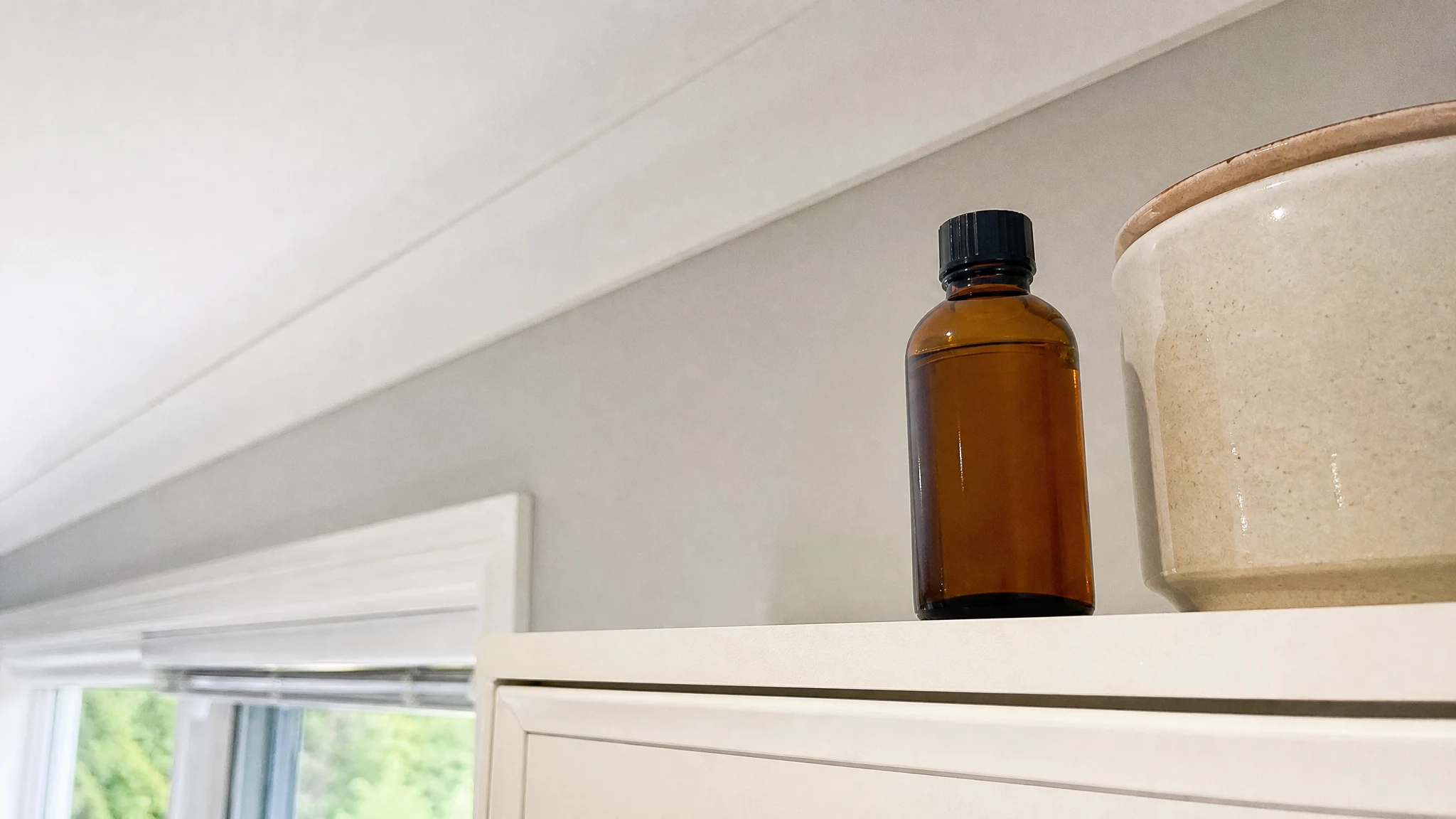
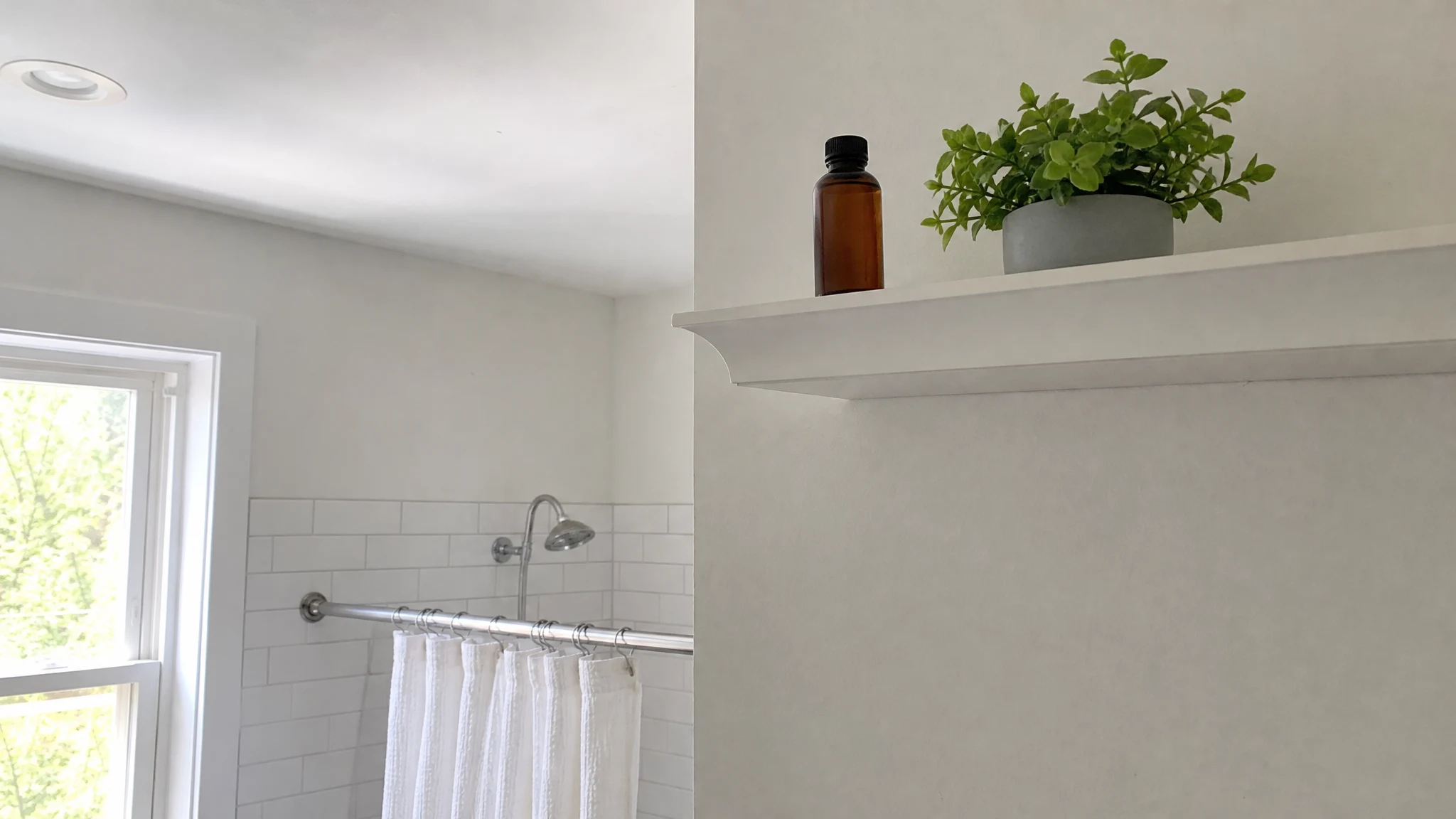
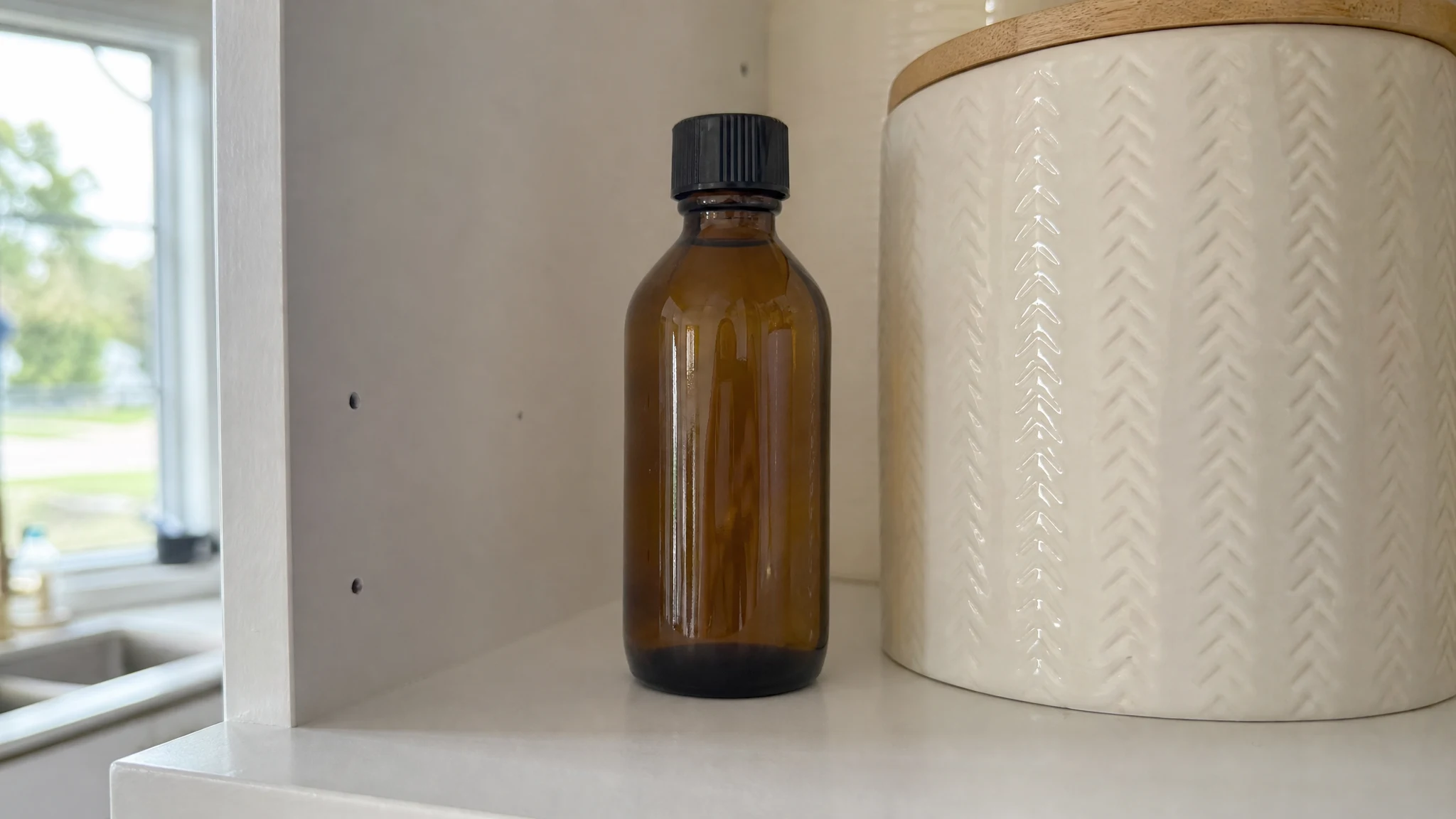
The best shelf for peppermint oil is a boring one: a cabinet or drawer that stays shaded and cool, nowhere near the stove, a sunny windowsill or a car glovebox. A bathroom counter looks convenient and gets steamy and warm, so it is a poor home for a bottle you want to keep for years. Stand the bottle upright, wipe the neck after use so no oil dries into a sticky ring, and screw the cap down firmly each time.
We like to put the date you opened a bottle on a small label or a strip of tape. It costs nothing, and it turns a vague "I think I've had this a while" into a fact you can read. When you do pick up an older bottle, open it slowly and let the scent tell you the story before you plan a project around it.
Checking a bottle you already have
- Smell it against a fresh bottle or your memory of it. A flat, sour or harsh note where the cool, sweet note used to be is a good reason to retire it from skin use.
- Do not expect the paperwork to settle it. Our Certificate of Analysis covers a Mentha piperita sample and lists its refractive index, 1.4596, which sits inside the 1.459 to 1.465 range the CIR report gives for the pharmacopoeial oil. That is an identity check, not an age test, and it is not tied to a particular bottle on your shelf.
- Patch test at 0.5% to 1% in a carrier before an older bottle goes anywhere near your face, scalp or body.
- If you make products to sell, ask a testing laboratory which oxidation markers it can run on a terpene-rich oil, and get the report in writing.
If you do blend with a carrier, remember the finished product is only as long-lived as its shortest-lived ingredient, which may be the carrier rather than the mint; our carrier oil article goes into it, and the dilution guide covers the percentages.
Our rule of thumb is easy to keep: buy the size you will use within the shorter of the two windows, keep it capped, dark and cool, decant for daily use, and let your nose and a patch test overrule the printed date.
An older bottle is not a failure, just a prompt to use your nose. Keep it cool and capped, enjoy it while it still smells the way you remember, and be glad of a scent that lasts.
Peppermint Essential Oil
Peppermint Essential Oil from our own shop, in sizes from 0.5 oz to bulk.
From $10.99
Shop Now →Sources & Further Reading
- Purdue University Extension. Indiana Mint Oil Production. ag.purdue.edu
- Cosmetic Ingredient Review, 2018. Amended Safety Assessment of Mentha piperita (Peppermint)-Derived Ingredients as Used in Cosmetics. cir-safety.org
- Dittmar D, Schuttelaar MLA, 2019. Contact sensitization to hydroperoxides of limonene and linalool: Results of consecutive patch testing and clinical relevance. Contact Dermatitis. Europe PMC, PMID 30378131