Does Peppermint Oil Keep Mice Away? Start With Gaps
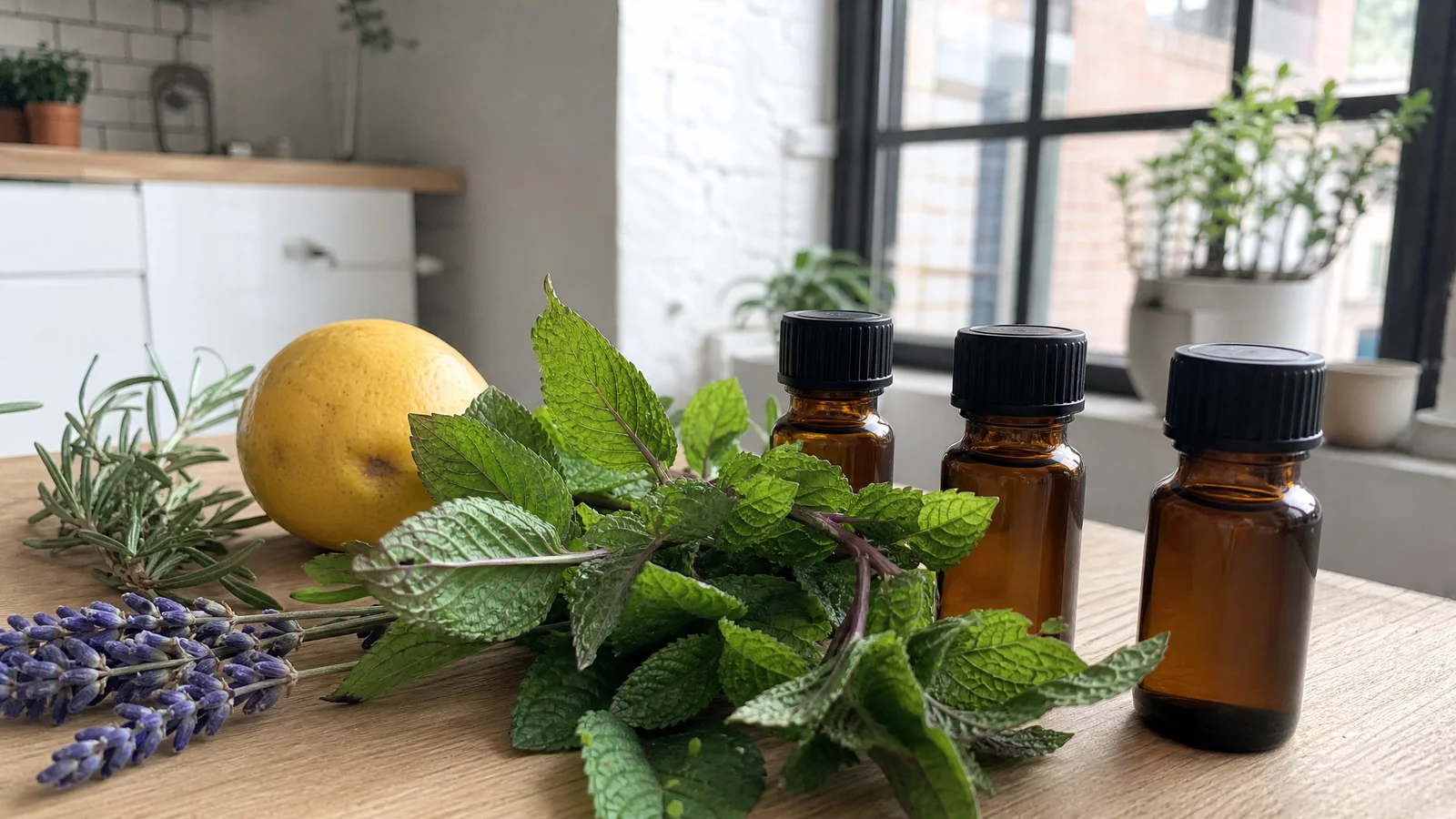
Search for mouse advice and the peppermint-soaked cotton ball turns up everywhere. It is easy to see why: it smells nice, costs almost nothing and feels like action. But the university pages we read put their effort somewhere else entirely, and we think they are right. We sell two peppermint oils, a Mentha piperita and a Mentha arvensis, and we make no repellent claim for either. Scent is a minor extra at best, and the plan below puts it last.
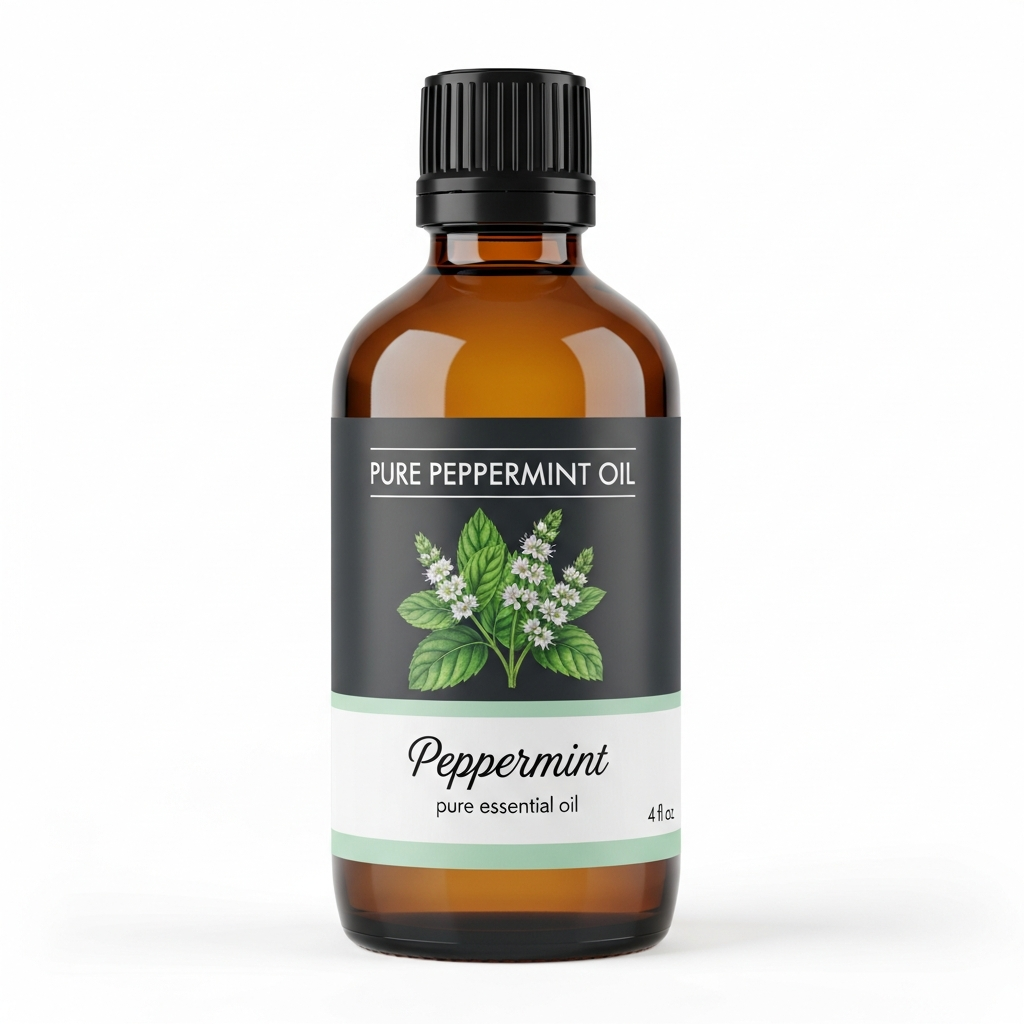
Peppermint Essential Oil
Our own Peppermint Essential Oil, in sizes from 0.5 oz to bulk.
From $10.99
Shop Now →Start with what a mouse needs
A mouse that has found food and shelter has a reason to cross a smell. That is reasoning, not a finding from a mouse study, but it fits why the University of California's house mouse notes say that good sanitation will seldom completely control house mice on its own, and call exclusion the most successful and permanent form of control (UC IPM). If you are seeing mice by day or finding activity in several rooms, a licensed pest professional is the sensible next call, and no oil changes that.
Close the gaps
UC IPM says mice can enter through openings as small as 1/4 inch and recommends sealing small cracks with wire screen or coarse steel wool that mice cannot chew through. It adds that plastic, rubber, foam and wood do not hold up. A steel-wool plug does not evaporate and never needs refreshing, which is the whole contrast with a cotton ball: the smell that makes the cotton ball appealing to buy is the part that is leaving. Pet food in sealed containers and sealed garbage bins take away the reason to come in. Our companion articles on natural mouse repellents and mice in vehicles take the exclusion questions further.
A weekend walk around the house
The most useful hour you can spend is outdoors with a flashlight. Walk the outside of the house slowly and look at every place a pipe, cable or vent goes through a wall. Check the bottom of the garage door, the gap around the dryer vent and the corners where the foundation meets the siding. Then repeat the walk inside, under the kitchen sink and behind the water heater. Write each gap down, and take a quick photo so you can check it off later.
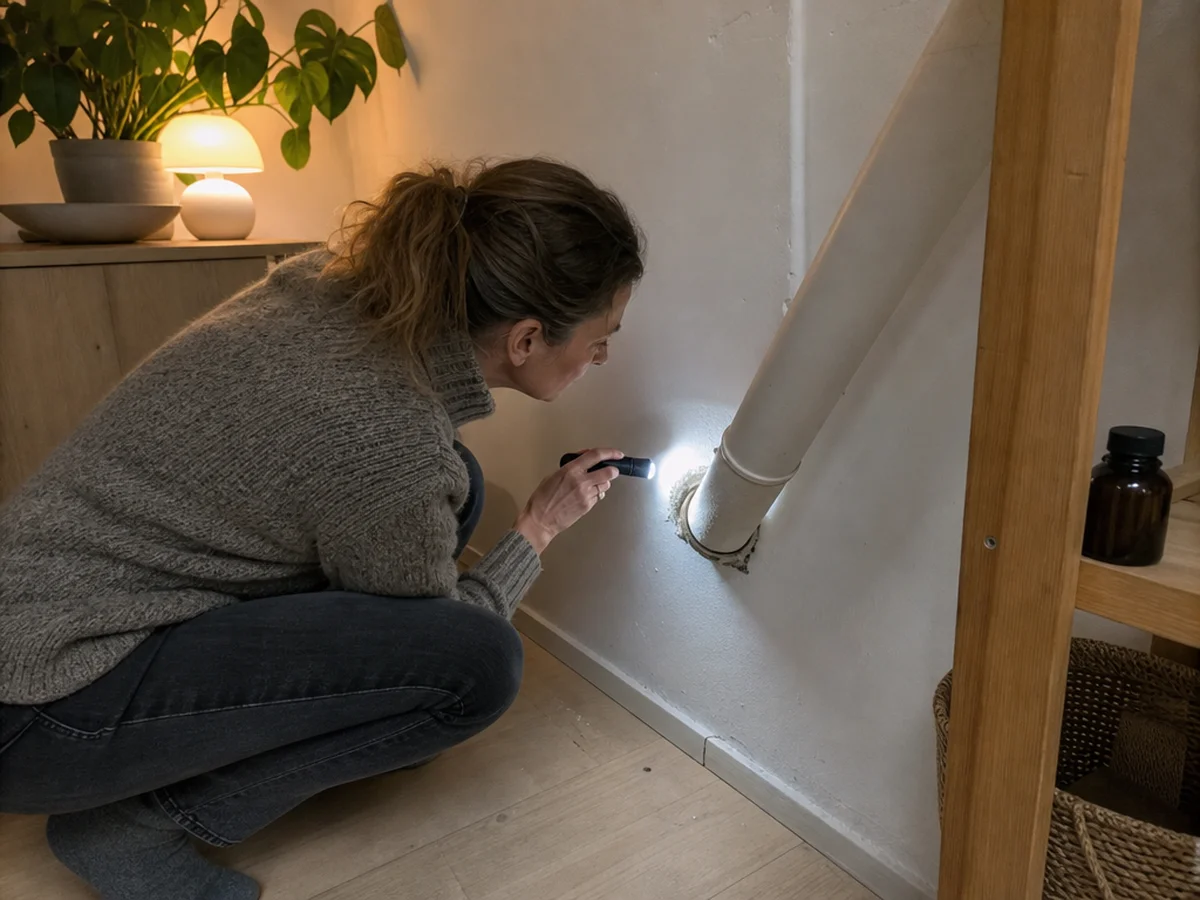
A hardware store trip then covers most of it: wire screen or coarse steel wool for the holes, and traps for the count. It is not glamorous, but it is the part that holds up when the weather turns and the mice start looking for a warm place.
Get the whole household on board
A plan only works if everyone follows it. Agree who seals the pet food, who takes out the garbage and who checks the traps. A single open bag of birdseed in the garage can undo a week of careful work.
Trap, because it tells you the count
The same guide advises using enough traps to make the trapping period short and decisive, placed no more than about 10 feet apart where mice are active. Along 30 feet of busy baseboard that is a minimum of three, and in practice more (our arithmetic). It also notes that glue boards should not be used where children, pets or wildlife can reach them. A trap count tells you whether the population is shrinking. A smell cannot.
What the research says about peppermint and mice
We looked for a controlled study of peppermint oil as a mouse repellent, reporting species, concentration, duration and number of animals, and did not find one. A literature search on 4 November 2026 returned hundreds of records on peppermint with rodents and on essential oils with house mice, and none of the titles we read was such a trial; they covered mosquitoes, flies, fleas, ticks, cognition in rats and toxicity in mice. One page of titles cannot prove nothing exists, so we report only what we could open.
What we can say is that peppermint oil and cornmint oil both appear on the list of active ingredients allowed in minimum-risk pesticide products under 40 CFR 152.25 (Cornell LII). The EPA describes such products as exempt from registration because they pose little to no risk to human health or the environment (EPA). That is a statement about risk, not about results. A label that says "repels mice" has passed no mouse-repellency review that we could find described.
If you still want to use the oil
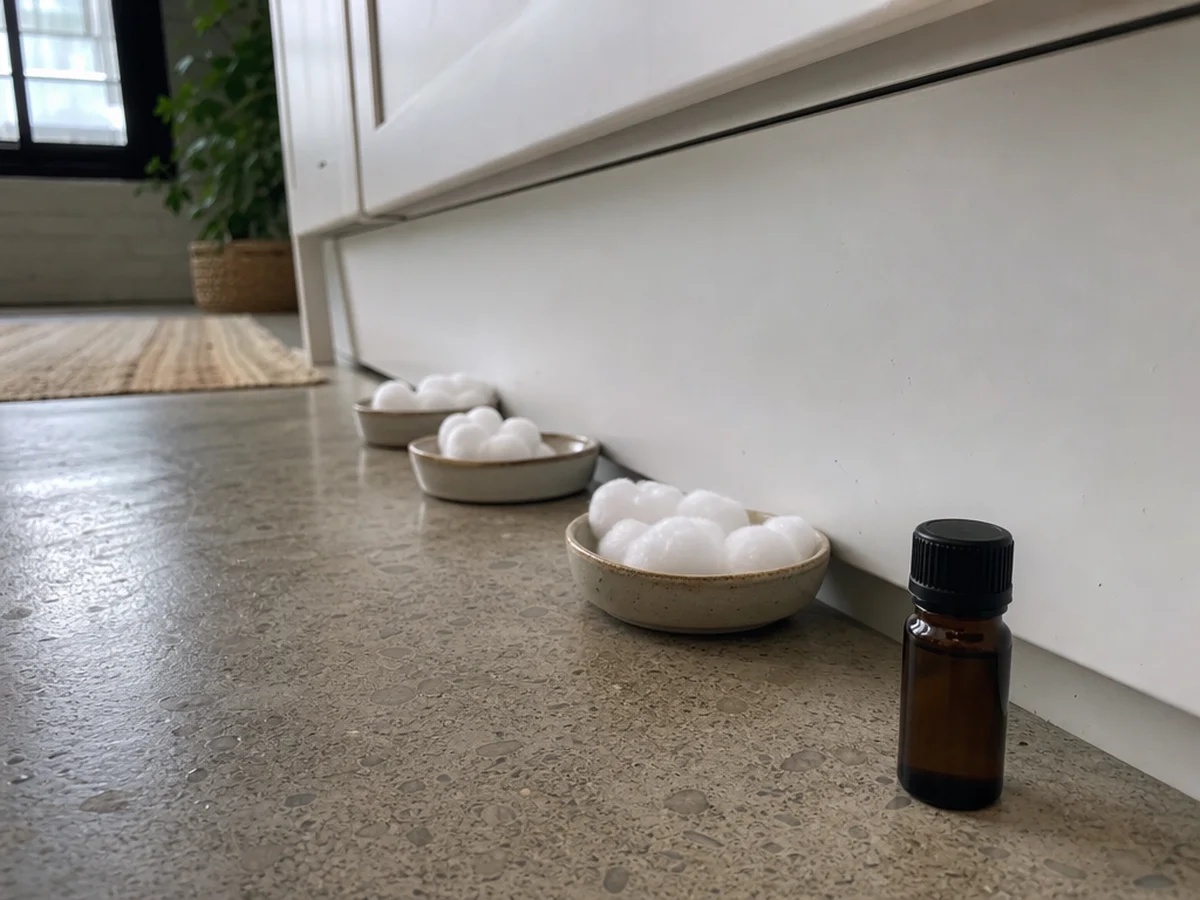
Do it last and small, with everyone in the house in mind. The ASPCA lists mint as toxic to dogs, cats and horses (ASPCA), and a poison-center review of essential-oil flea products exempt from EPA regulation recorded adverse effects in 8 of 9 dogs and 36 of 39 cats (Genovese and colleagues, 2012). That review concerned flea products, not mouse placement, but it shows why a cotton ball a pet can reach is the wrong spot. Our cat guide and dog guide cover the animal side. Our oils are sold neat, so wear gloves, keep the bottle capped and keep it where children cannot reach it.
A dated check
Finish with a check a month later. Look for fresh droppings or chewing, make sure the steel-wool plugs are intact, and count what the traps caught. If activity continues, call a professional. If it has stopped, the closed gaps and the removed food are far more likely to deserve the credit than a scent, and you will not be able to tell the difference by sniffing a cotton ball.
Peppermint Essential Oil
Peppermint Essential Oil from our own shop, in sizes from 0.5 oz to bulk.
From $10.99
Shop Now →Sources & Further Reading
- UC Statewide IPM Program. House Mouse. ipm.ucanr.edu
- 40 CFR 152.25 - Exemptions for pesticides of a character not requiring FIFRA regulation. law.cornell.edu
- US EPA. Minimum Risk Pesticides Exempted from FIFRA Registration. epa.gov
- ASPCA. Toxic and Non-toxic Plants: Mint. aspca.org
- Genovese AG, McLean MK, Khan SA, 2012. Adverse reactions from essential oil-containing natural flea products exempted from Environmental Protection Agency regulations in dogs and cats. J Vet Emerg Crit Care. Europe PMC, PMID 22805458