Mouse Control at Home: What Works and Where Scent Fits
Anyone who has heard a scratching inside a wall wants an answer fast, and peppermint oil is one of the first things people reach for. We sell peppermint oil, not pest products, and we make no claim that either of our oils keeps mice away. What we can do is share what a university integrated pest management program says works against house mice, because the answer is more satisfying, and more practical, than a scent.
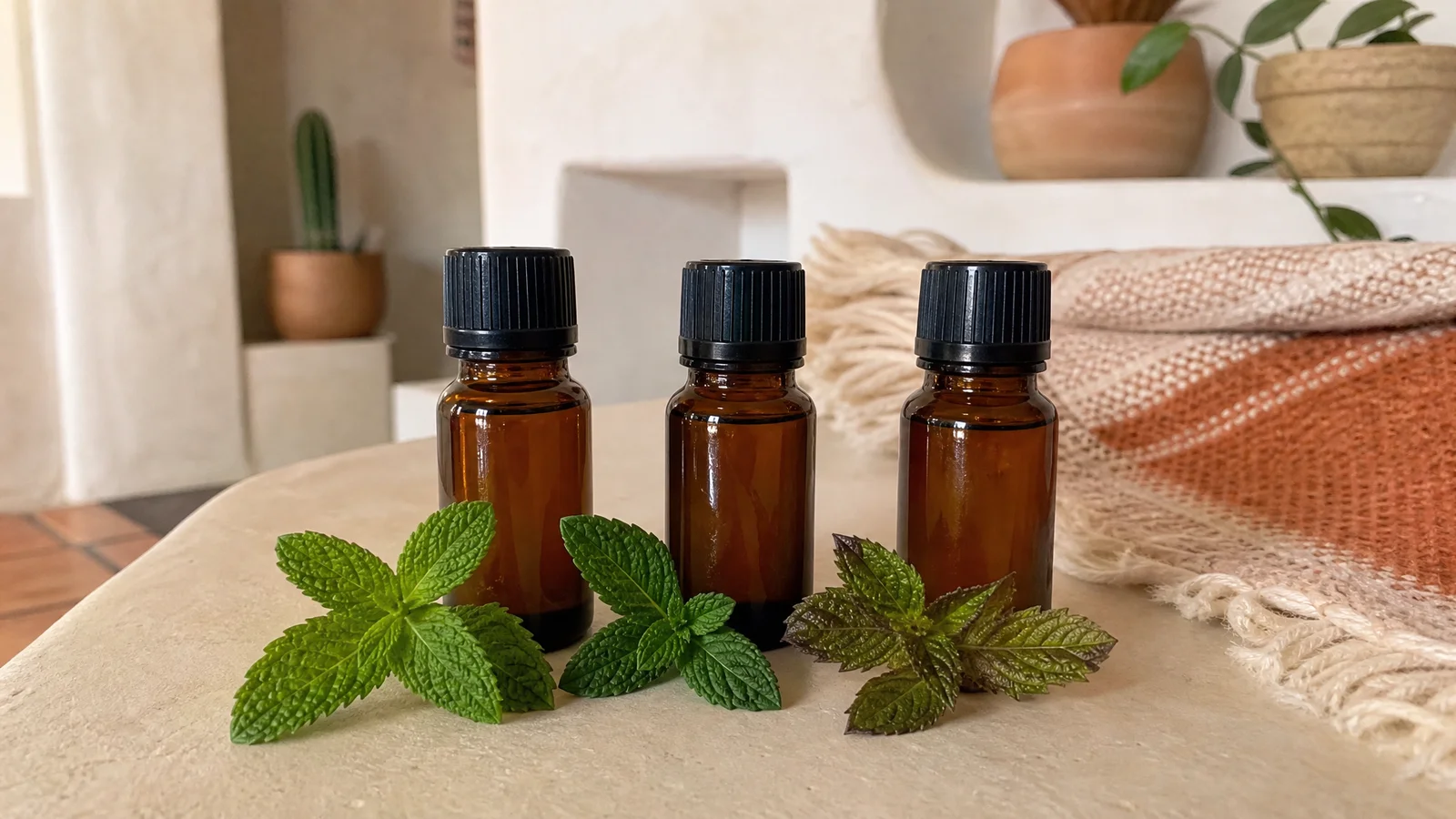
Peppermint Essential Oil
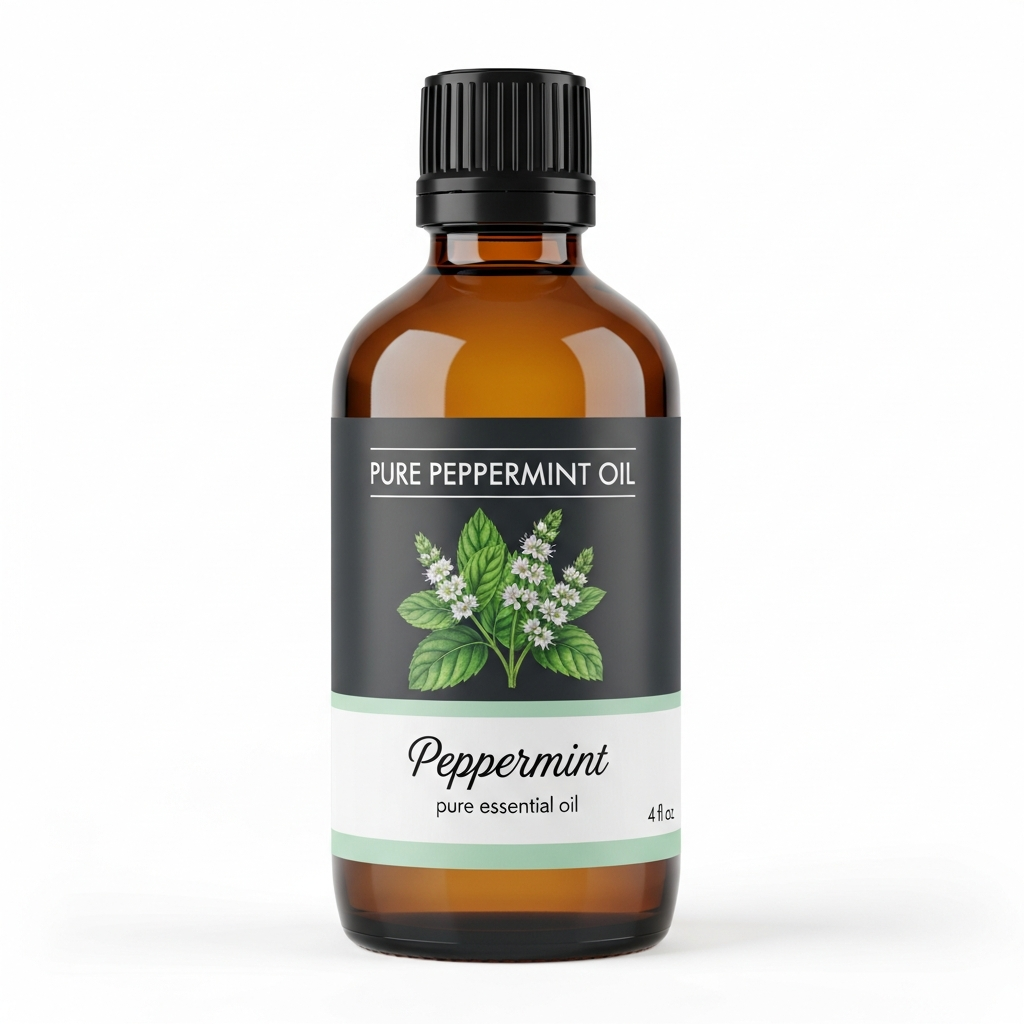
Our own Peppermint Essential Oil, in sizes from 0.5 oz to bulk.
From $10.99
Shop Now →The quarter-inch rule
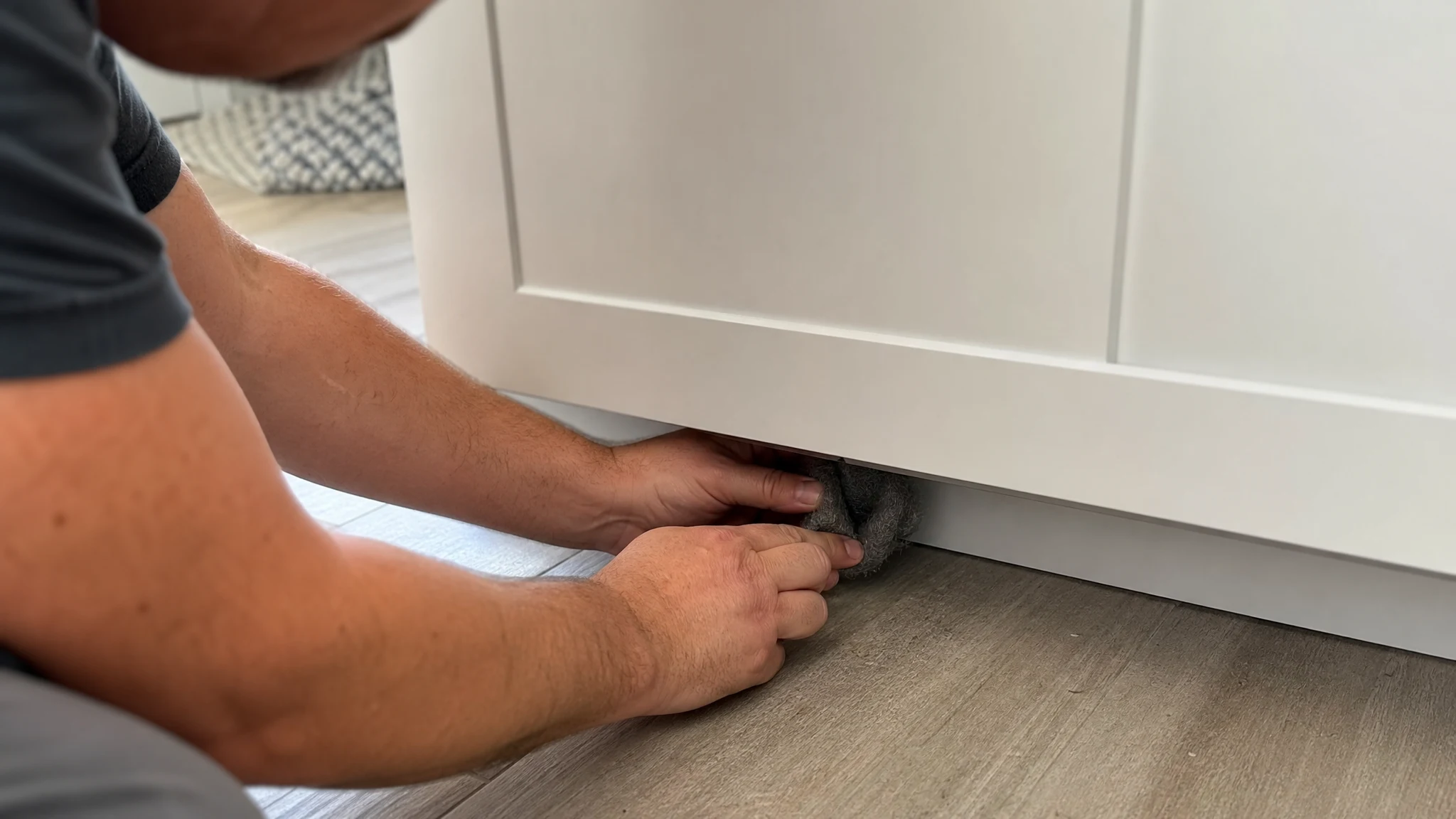
The UC Statewide IPM Program's house mouse guide (updated July 2025) makes the central point plainly: mice can enter through openings as small as 1/4 inch. That is about the width of a pencil. Its advice is to seal small cracks and openings with wire screen or coarse steel wool that mice cannot chew through, and to make sure doors, windows and screens fit tightly. It also lists what does not work as a plug: plastic screening, rubber, vinyl, expanding foam and wood are ineffective, because mice gnaw through them.
This is the mechanism that decides the whole question. A smell or a sound only asks a mouse to stay out. A gap sealed with metal removes the choice. Anything that does not touch the opening has to win every night against the food, warmth and shelter on the other side of it.
Traps do the work inside
For mice already inside, the same guide calls trapping a great first step in most situations. A few details make it succeed. House mice seldom travel more than about 30 feet from their nest sites and food, so traps belong in areas of activity, along walls, behind objects and in dark corners, spaced no more than about 10 feet apart. Setting pairs of traps one to two inches apart can improve the catch for mice that jump over obstacles. Use enough traps to make the trapping period short and decisive, check them frequently, and dispose of dead mice promptly. Keep traps out of reach of children and pets.
Housekeeping rounds it out: feed pets only what they will eat at one feeding, keep food and garbage containers sealed, and thin plants growing against the building. If activity continues after sealing and trapping, a licensed pest professional can judge your house better than any article can.
Sound devices
The UC IPM guide states that high-frequency electronic devices are not effective. It explains that mice quickly become accustomed to regularly repeated sounds, and that ultrasonic sound has very limited use because it is directional and does not penetrate behind objects.
Where peppermint scent fits
The UC IPM house mouse guide does not mention peppermint. We want to be straightforward about what that means: we are not aware of published evidence from a pest authority that peppermint oil keeps house mice out of a home, and we will not suggest otherwise.
One regulatory fact gets misread, so it is worth explaining. Federal regulation 40 CFR 152.25 lists peppermint oil and cornmint oil among the ingredients that can be used in "minimum risk" pesticide products without registration, and such labels may not claim to control rodents carrying specific diseases. In our reading, that is an exemption from registration rather than a finding that the oil works on mice; the regulation does not address effectiveness either way.
If you simply enjoy a minty scent in a storage room or garage, treat it as fragrance. Keep it diluted, away from food and out of reach of children and pets. Do not apply oil to wiring or engine parts, and for vehicles ask the manufacturer or a mechanic; our vehicle and storage guide covers that ground. Our mouse and peppermint guide looks at the topic from the scent side.
Keeping pets safe
If you have animals, remember that the ASPCA lists mint as toxic to dogs, cats and horses. Our oils are concentrated and for external, diluted aromatic use only; our cat guide and dilution guide explain the precautions. We suggest 0.5% to 2% in a carrier for skin, with a patch test, never taken internally.
Walking the house
When you do the walk-through, go slowly and bring a flashlight. Look low: where pipes enter a wall, behind the water heater, around the dryer vent and along the garage door seal. Those are the places a draft or a sliver of daylight usually gives a gap away. Sketch a rough floor plan on a sheet of paper, mark every gap you find, and tick each one off as you plug it. It is a satisfying job because the list gets shorter with every tube of material you use.
We would rather point you toward this slightly dull answer than a scented one. A sealed house stays sealed long after any fragrance has faded, and that is the kind of fix worth an afternoon.
A simple plan for this week
- Walk the outside of the building and the cupboards under sinks. Anything a pencil fits through is a gap.
- Plug gaps with metal screen or coarse steel wool, not plastic or foam alone.
- Set snap traps along walls where you see droppings or hear activity, and check them often.
- Secure food, pet food and trash so there is less reason to stay.
- Call a pest professional if activity persists.
Closing the door beats scenting the hallway every time, and it only has to be done once.
Peppermint Essential Oil
Peppermint Essential Oil from our own shop, in sizes from 0.5 oz to bulk.
From $10.99
Shop Now →