Peppermint Oil vs Extract: What Is the Difference?
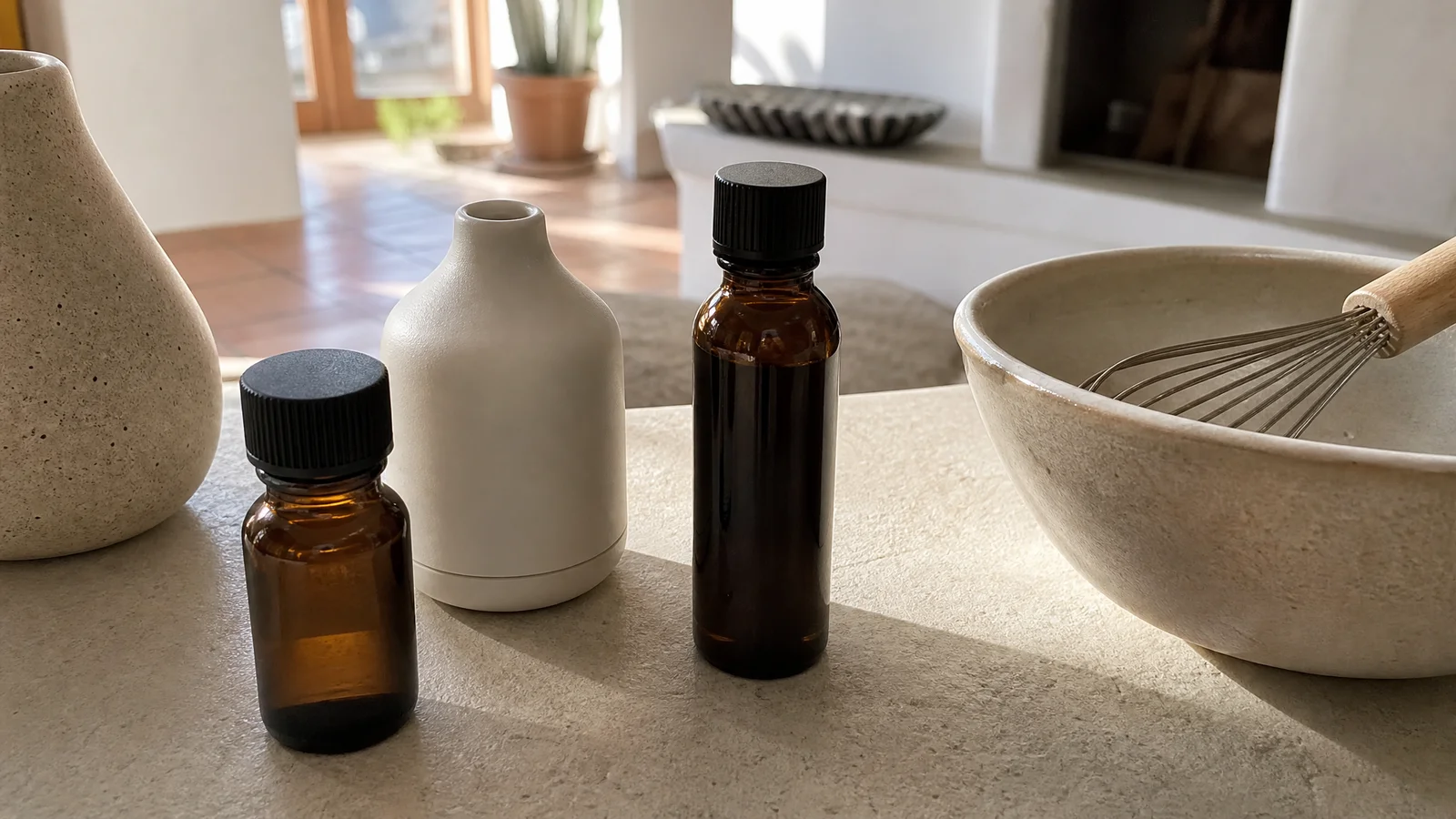
Set two small bottles side by side, both labelled "peppermint", and it is easy to assume one is just the stronger version of the other. They are different materials. Peppermint essential oil is the distilled aroma of the plant, while "extract" is a word that can mean several things depending on who wrote the label. Here is how we tell them apart before anyone reaches for a measuring spoon.
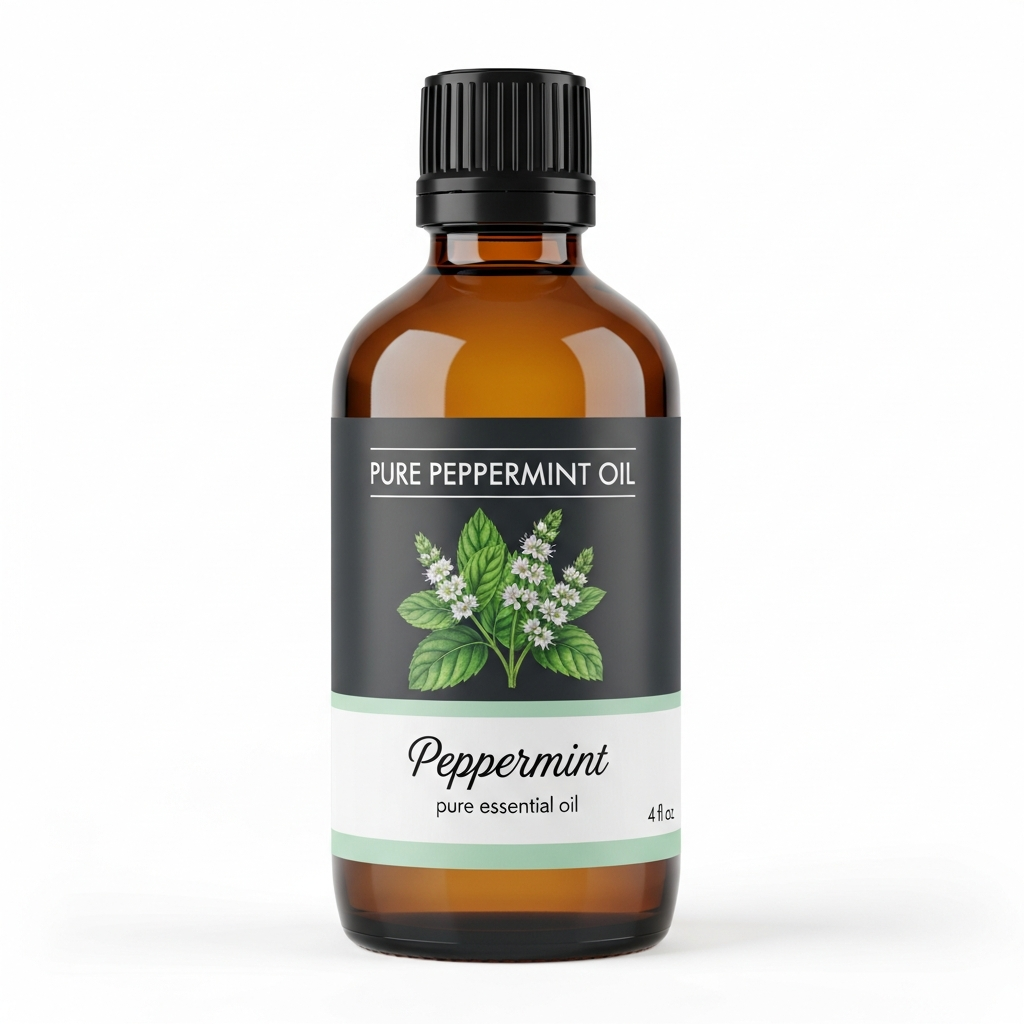
Peppermint Essential Oil
Our own Peppermint Essential Oil, in sizes from 0.5 oz to bulk.
From $10.99
Shop Now →One word, three kinds of bottle
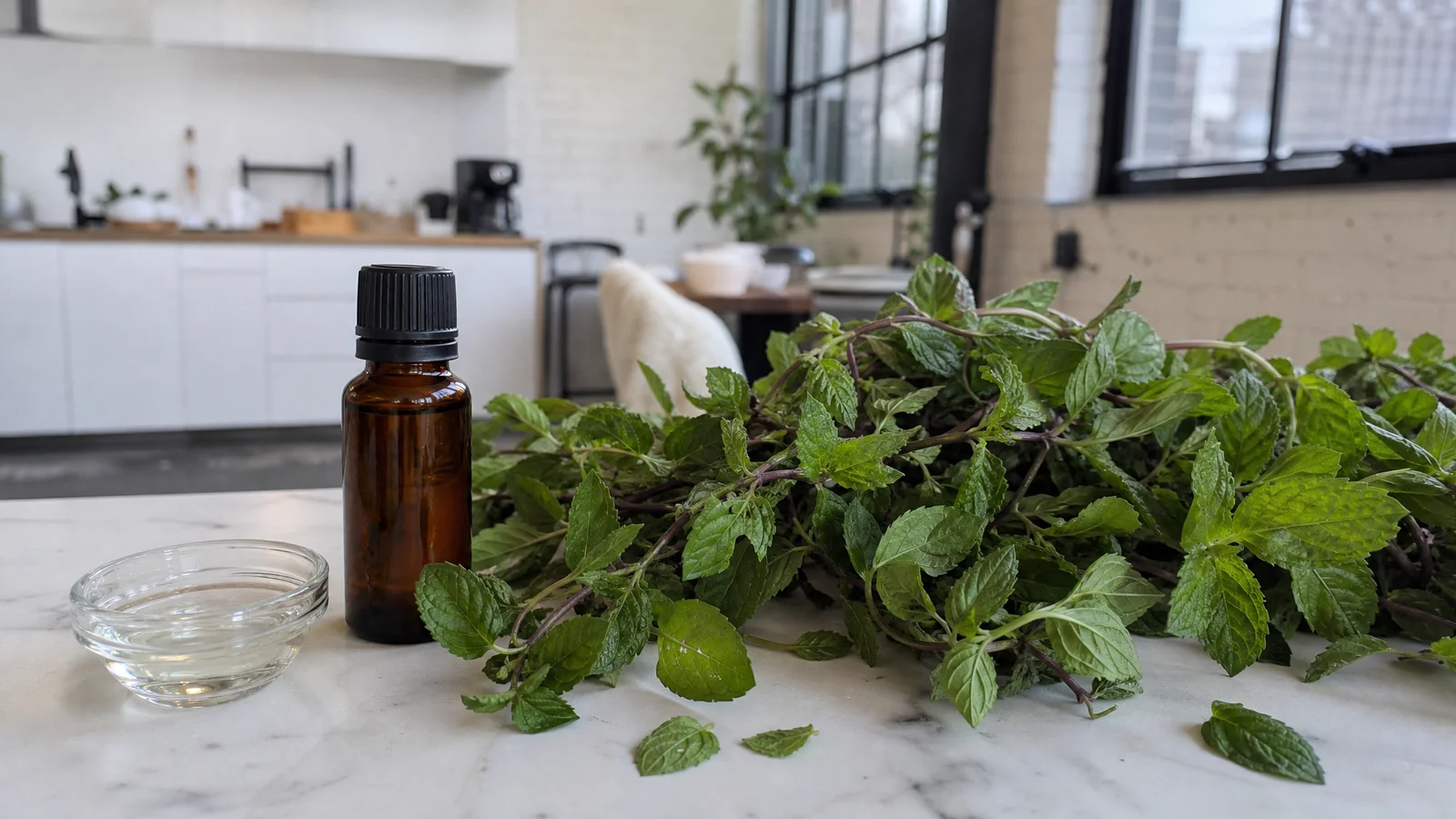
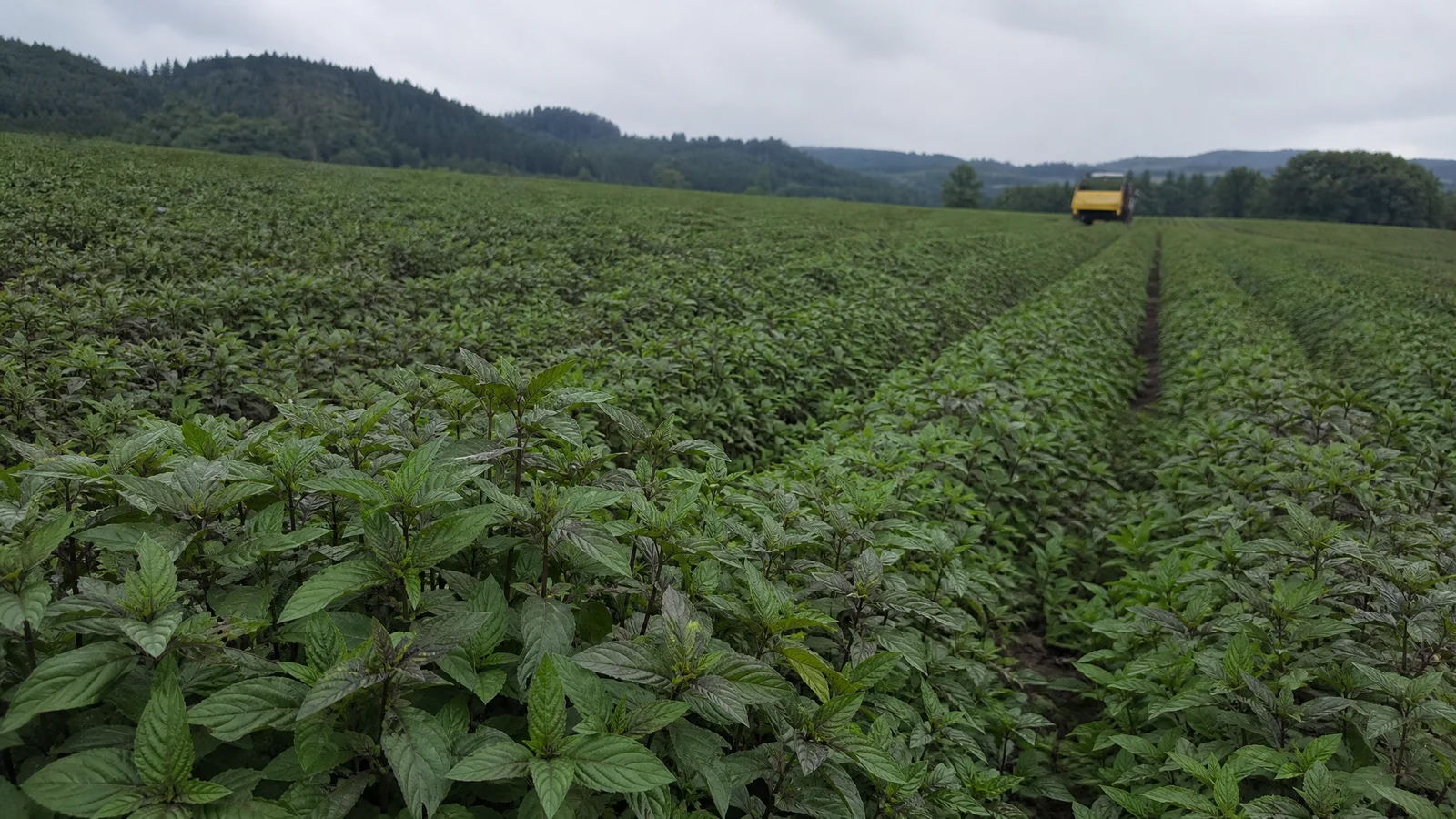
The oil is what steam distillation carries off the mint leaves. The Cosmetic Ingredient Review (CIR) describes it as made by distillation with water as the solvent, from the leaves of Mentha piperita, and it is a mix of aroma compounds in which menthol often makes up somewhere between 30 and 55 percent.
Cosmetic chemists use the word differently. The same CIR report lists peppermint leaf extracts made by soaking leaf in 30 percent ethanol or in 50 percent butylene glycol, and a trade-name "peppermint extract" that is a water-based solution carrying at most 7.5 percent extract, mostly sugars and minerals. That is a formulator's raw material, and it is not an aroma concentrate.
The third is the grocery-shelf flavouring, the one most people picture when a recipe says "extract".
What the food rules do and do not say
US food law defines some flavourings tightly. Vanilla extract, for instance, must contain at least 35 percent ethyl alcohol by volume (21 CFR 169.175). But the section of the regulations that sets those standards lists only mayonnaise, salad dressing and the vanilla family, so peppermint extract has no federal recipe. Reasoning from that gap, nothing there fixes how much oil, alcohol or solvent a bottle of peppermint extract contains. The strength is the maker's choice, and the label is the only guide.
Labelling blurs things further. The federal definition of "natural flavor" covers the essential oil, oleoresin, essence or extractive of a plant, so an ingredient list can simply say "natural flavor" for either one (21 CFR 101.22). Peppermint, Mentha piperita L., also appears in the list of essential oils and extractives recognised as safe for their intended use in food (21 CFR 182.20). That listing concerns food flavourings made and sold as food. It does not turn a bottle of aromatic oil into a kitchen ingredient.
Why we skip the drop-for-drop conversion
You will see swap ratios online, but no standard or primary source backs one, so we do not offer one. The reasoning is simple.
- An extract of unknown strength measured by the teaspoon and an oil measured by the drop are very different exposures.
- CIR points out that the highest recommended daily dose of peppermint oil in European medicinal products, 1.2 ml, delivers more pulegone and menthofuran than the 0.1 mg per kilogram daily intake set for food. Flavouring amounts and medicinal amounts are treated as separate things, and neither is a casual kitchen decision.
- Poison Control notes that some essential oils can be poisonous if swallowed, and advises keeping every bottle locked up, out of sight and reach of children and pets. Their poison line is 1-800-222-1222.
Our two peppermint oils, a Mentha piperita and a Mentha arvensis (cornmint), are sold neat for aroma and cosmetic use, and we say plainly that they are not for internal use. If a recipe needs peppermint flavour, the right bottle is one made and labelled as a food flavouring, used by its own label. The research on peppermint for the gut used a specially coated capsule, which is a different thing again, and we go through it on our IBS page and in can you ingest peppermint oil.
Reading the bottle in your hand
The label gives you most of the answer if you slow down. Look first for the Latin name, such as Mentha piperita, then for words like "essential oil", "flavoring" or "extract", then for an ingredient list and any line about intended use. A food flavouring will usually say so and carry a food-style ingredient list. An aromatic oil will often say that it is not for internal use.
Your nose can add a clue. Many kitchen extracts open with the smell of alcohol before the mint comes through, while a neat essential oil hits you with the cool, minty note straight away and has no kitchen smell at all. If the two bottles on your counter do not smell like the same thing, they probably are not, and the label is the place to check which is which.
Matching the bottle to the job
- Flavouring a cake, frosting or drink: a product labelled as a food flavouring, used as its label directs.
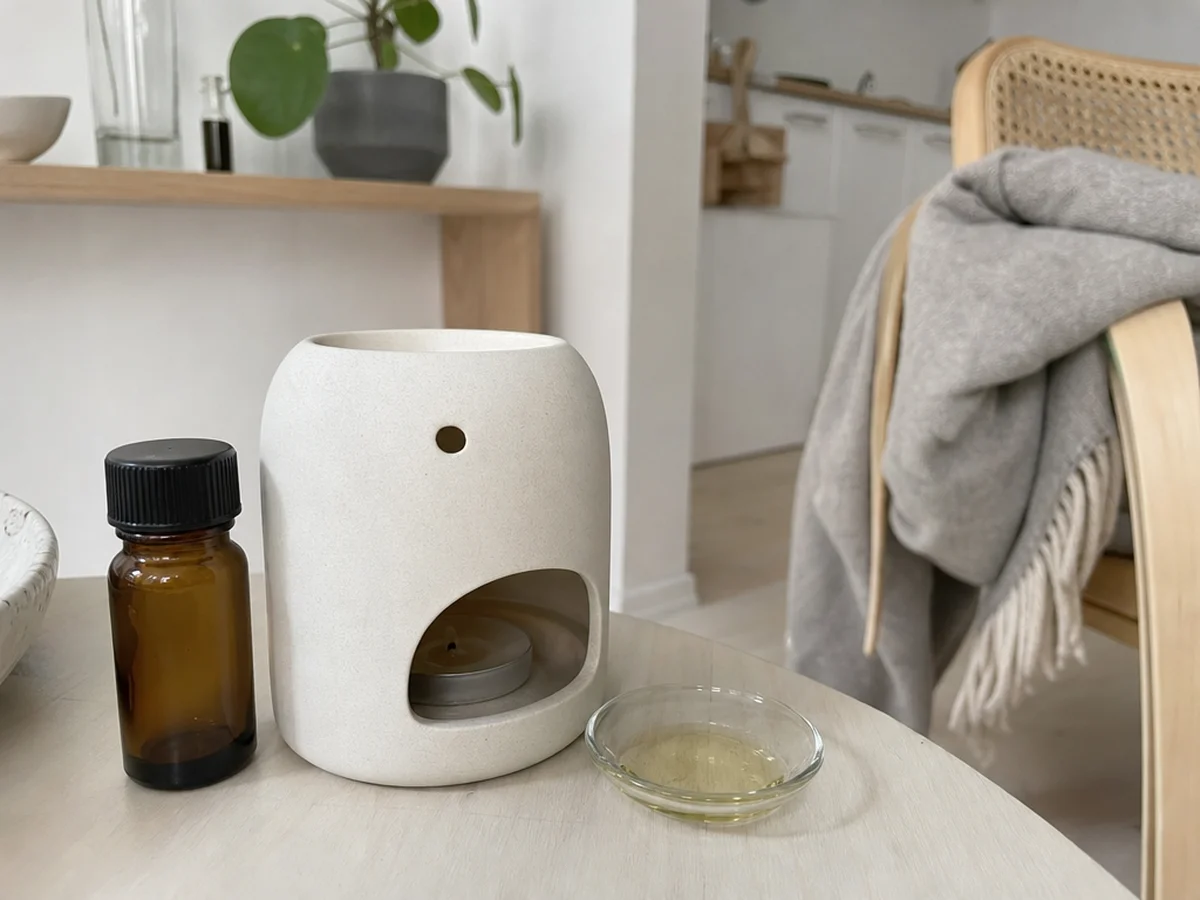
- Scenting a room: a neat aromatic oil in a diffuser, which is built for volatile oil. Our diffuser drops guide covers amounts.
- Adding a minty note to a soap, balm or candle you make: a neat oil, diluted into your own base. We suggest 0.5% to 2% in a carrier oil for skin, with a patch test first, and the arithmetic is on our dilution page.
- Choosing between our two oils: they are different species, and our piperita versus arvensis comparison explains how.
The shortcut is to choose by the job printed on the bottle, not by the word the two bottles share. A label that names the species and the intended use is telling you what the maker had in mind.
If you are ever unsure at the shelf, read twice and ask once. A bottle that is clear about what it is and what it is for is a pleasure to use, and a vague one is worth a second look.
Peppermint Essential Oil
Peppermint Essential Oil from our own shop, in sizes from 0.5 oz to bulk.
From $10.99
Shop Now →Sources & Further Reading
- Amended Safety Assessment of Mentha piperita (Peppermint)-Derived Ingredients as Used in Cosmetics, Cosmetic Ingredient Review, 2018.
- 21 CFR Part 169 - Subpart B - Requirements for Specific Standardized Food Dressings and Flavorings, Legal Information Institute.
- 21 CFR § 169.175 - Vanilla extract., Legal Information Institute.
- 21 CFR § 101.22 - Foods; labeling of spices, flavorings, colorings and chemical preservatives., Legal Information Institute.
- 21 CFR § 182.20 - Essential oils, oleoresins (solvent-free), and natural extractives (including distillates)., Legal Information Institute.
- Essential oils: Poisonous when misused, Poison Control.