Peppermint Oil at Home: A Room-by-Room Guide
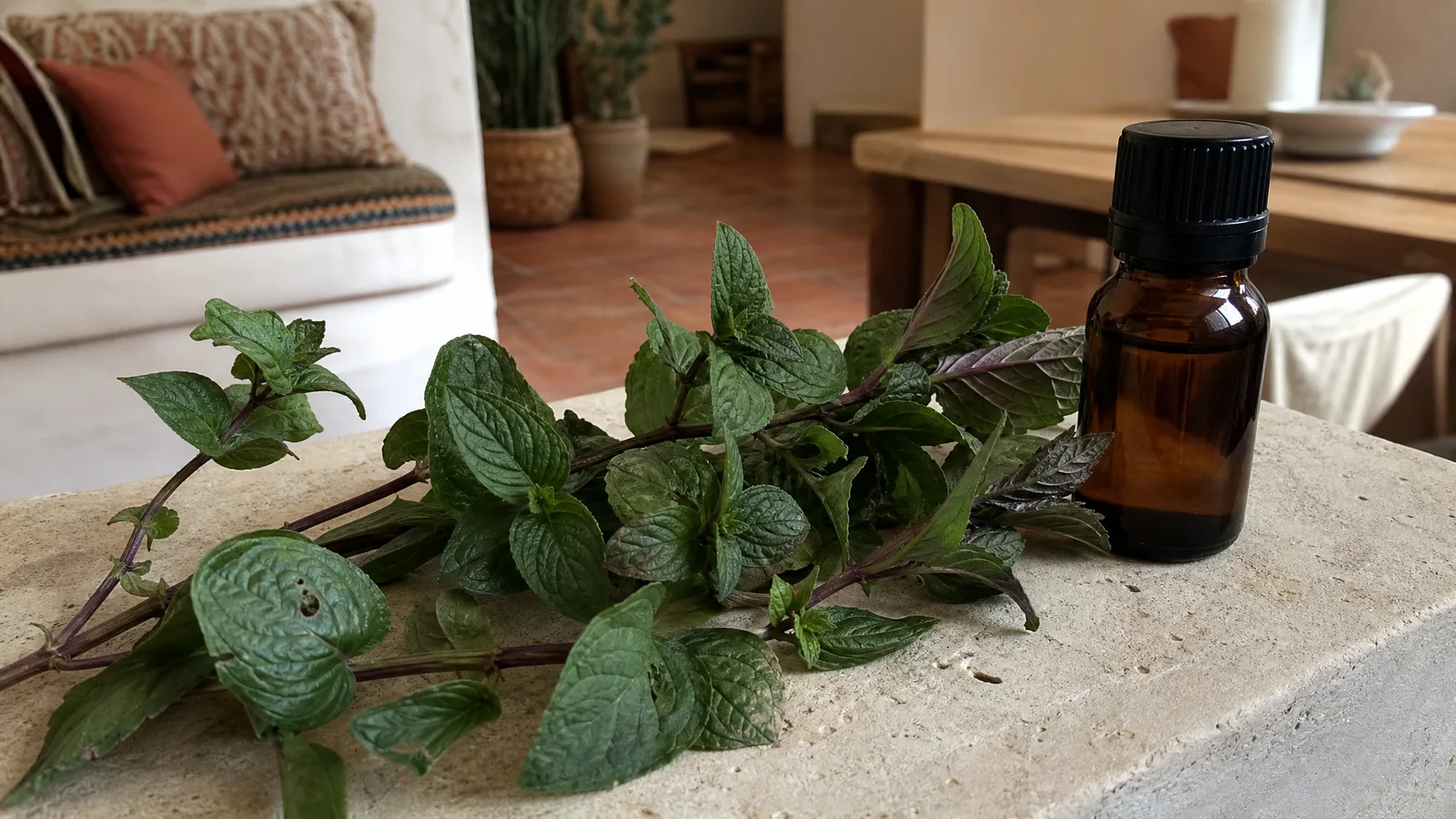
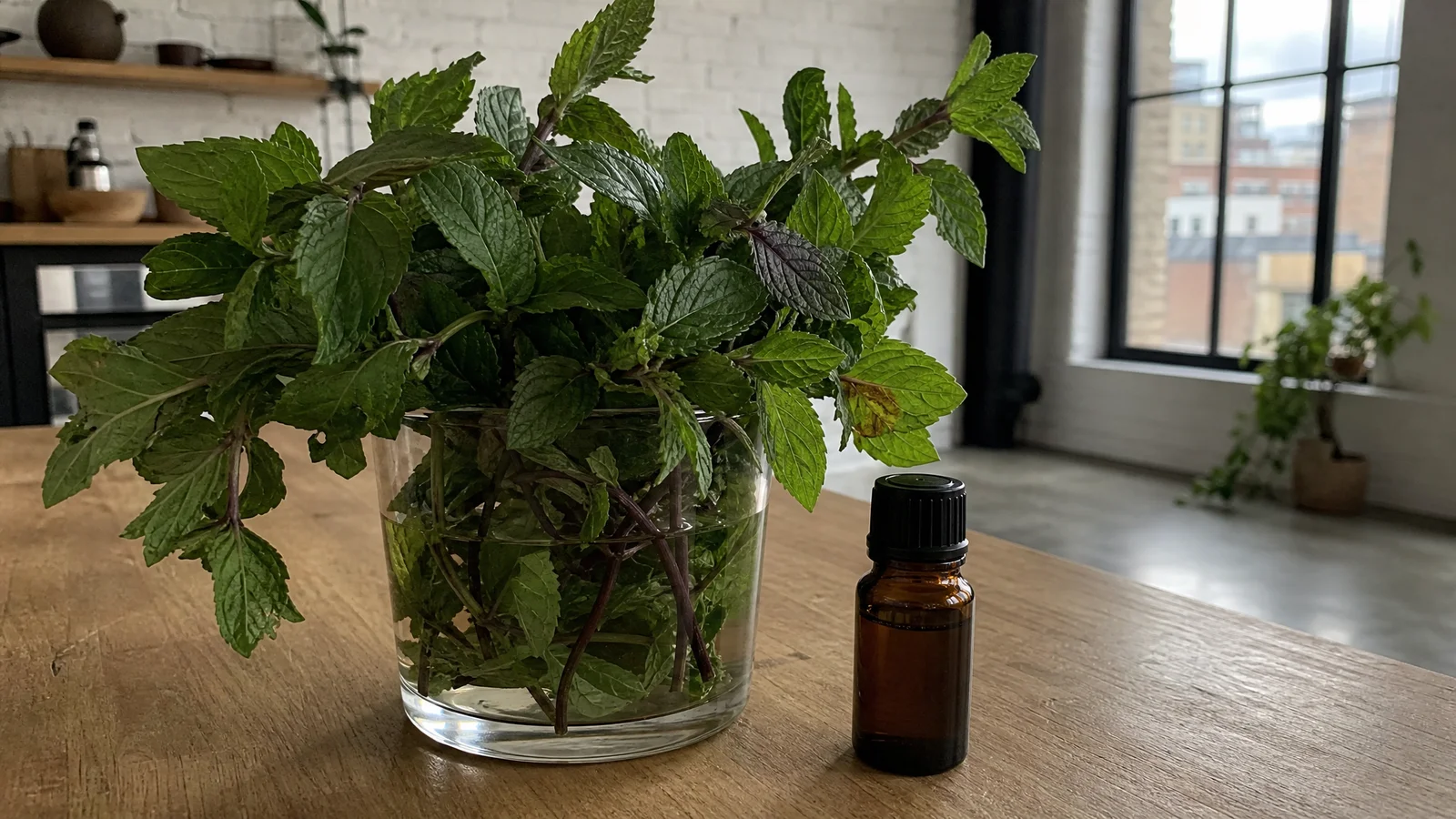
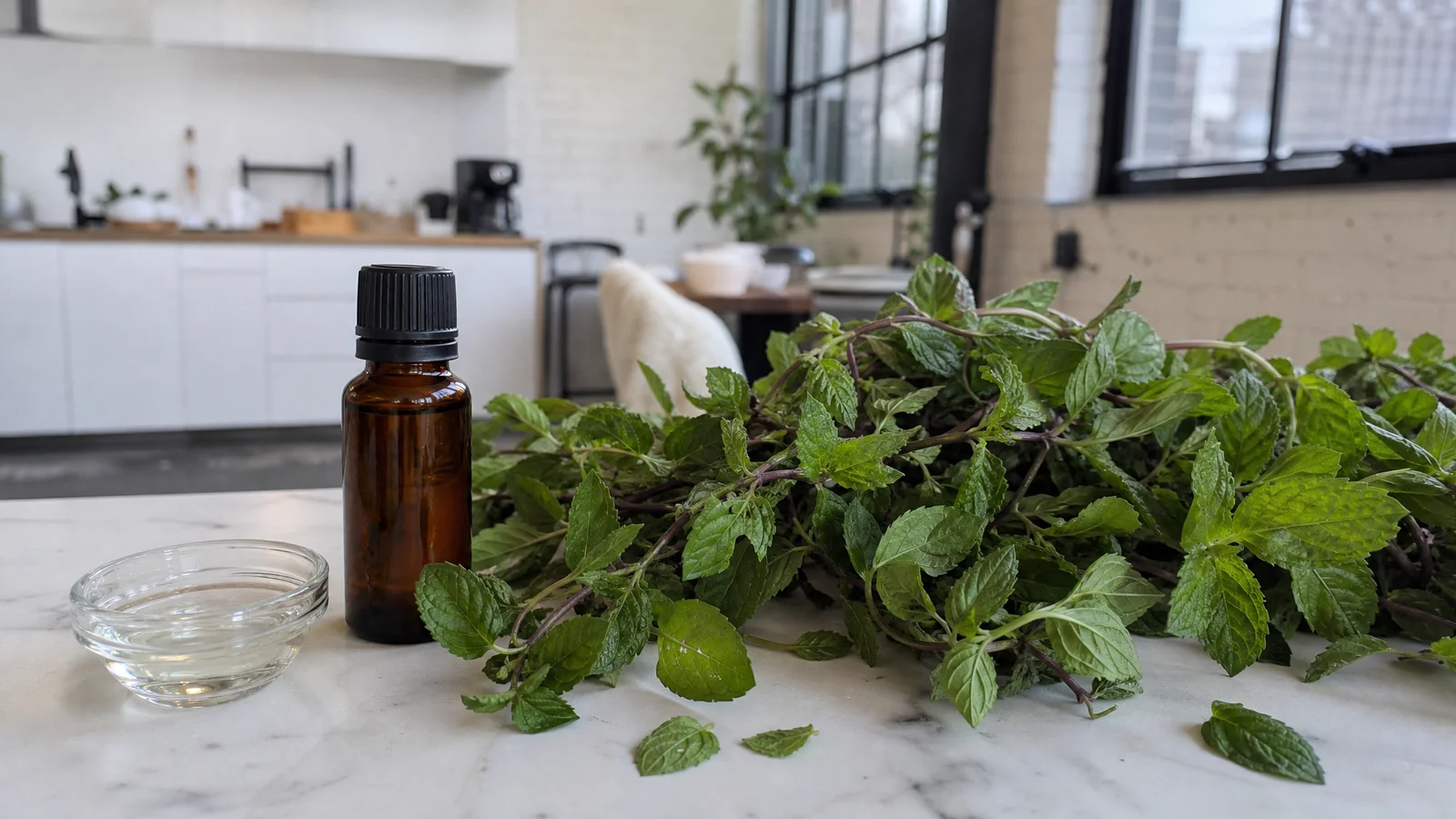
Few scents change a room as fast as peppermint. It is crisp, cool and minty, with a faint candy sweetness underneath on our piperita oil, and bolder and sharper on our cornmint. Because it is so concentrated, a house is a good place to learn how little you need. Here is a walk through the rooms, with a few honest notes on what works, what does not and where the bottle should live.
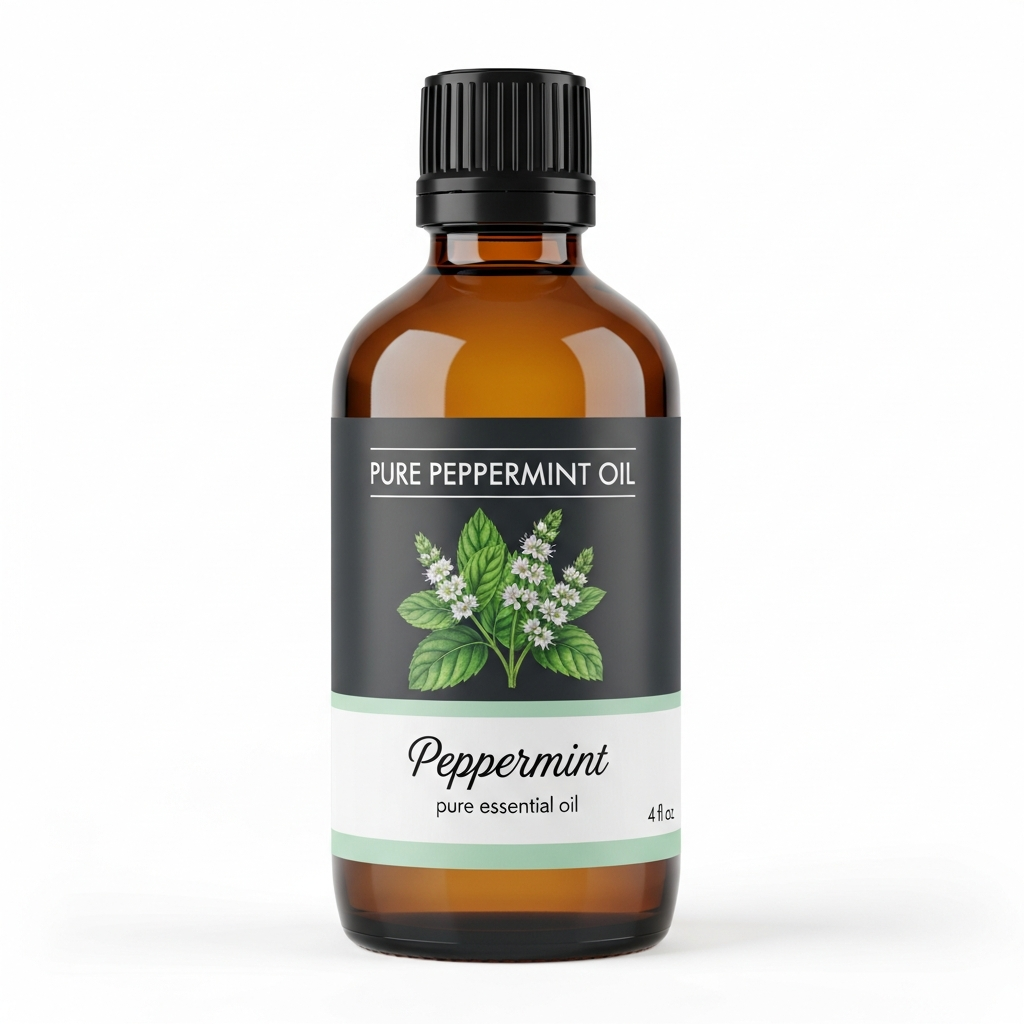
Peppermint Essential Oil
Our own Peppermint Essential Oil, in sizes from 0.5 oz to bulk.
From $10.99
Shop Now →Start by getting to know the bottle
Before peppermint goes anywhere in the house, spend a minute with it. Put one drop on a paper strip and hold it a few inches below your nose. Our piperita is crisp and cool with a faint candy-like sweetness, and our cornmint is bolder and sharper with a strong menthol backbone. Learning how strong a single drop smells to your own nose is the best guide to how little each room needs. You may be surprised how far one drop reaches.
The living room: a diffuser and a light hand
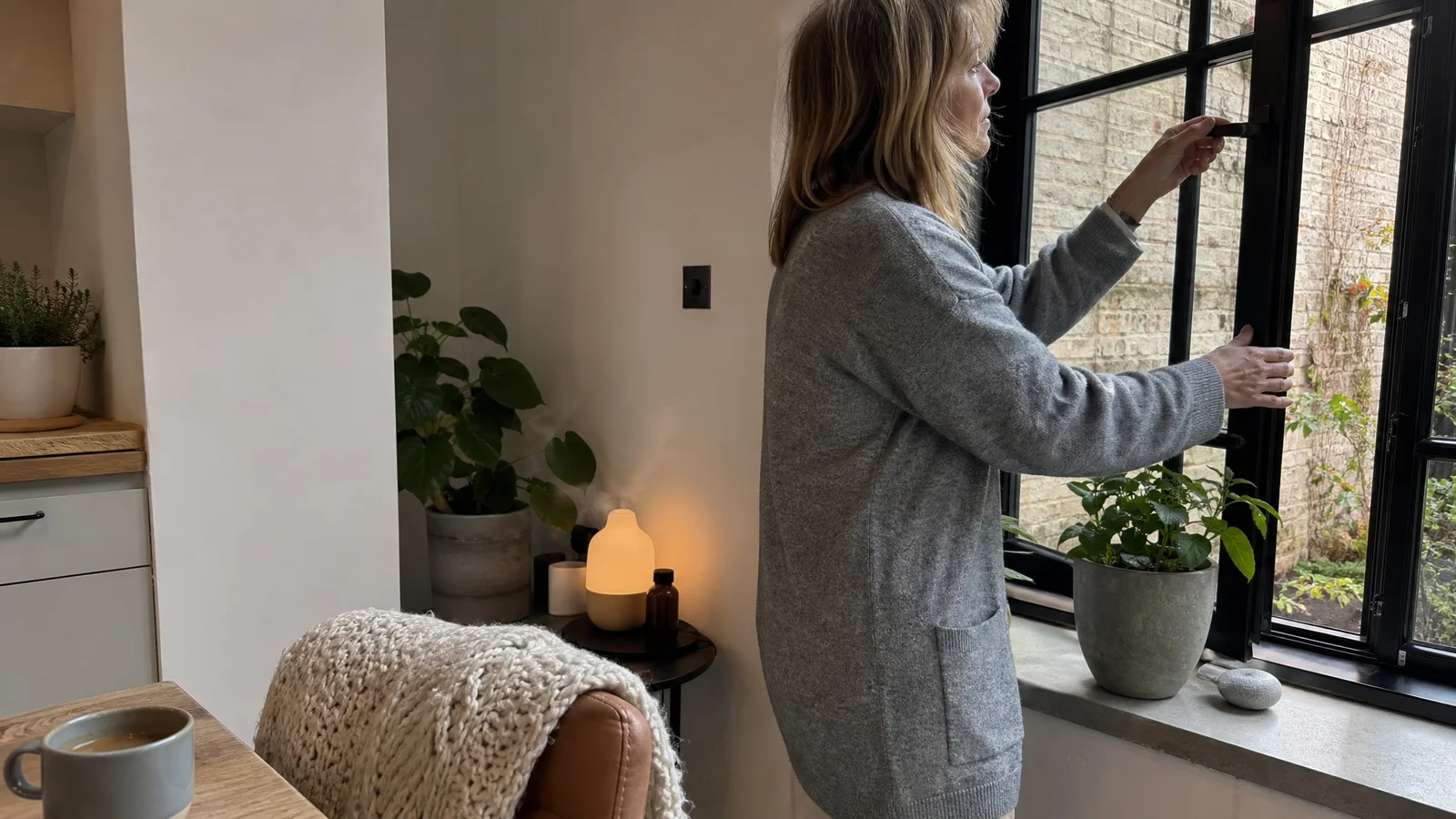
A diffuser is the most common way peppermint enters a home. Our diffuser drops guide covers amounts, and the short version is to start low and go lighter than you expect. Indoor-air researchers have started measuring what diffusers put in the air. A 2021 chamber study ran an ultrasonic diffuser with lemon, lavender, eucalyptus and grapeseed oils and found each oil produced its own mix of vapours and particles, with tap water raising the eucalyptus particle count about fivefold compared with deionised water. A 2022 study of 59 students found that diffuser emissions affected reaction time and memory test scores in much the same way for scented lemon and unscented grapeseed oil. Neither study used peppermint, so we cannot quote peppermint numbers. Reasoning from them, shorter sessions and an open window are sensible, and a room with infants or pets is better left unscented.
The bathroom and the cleaning cupboard: why oil and water part ways
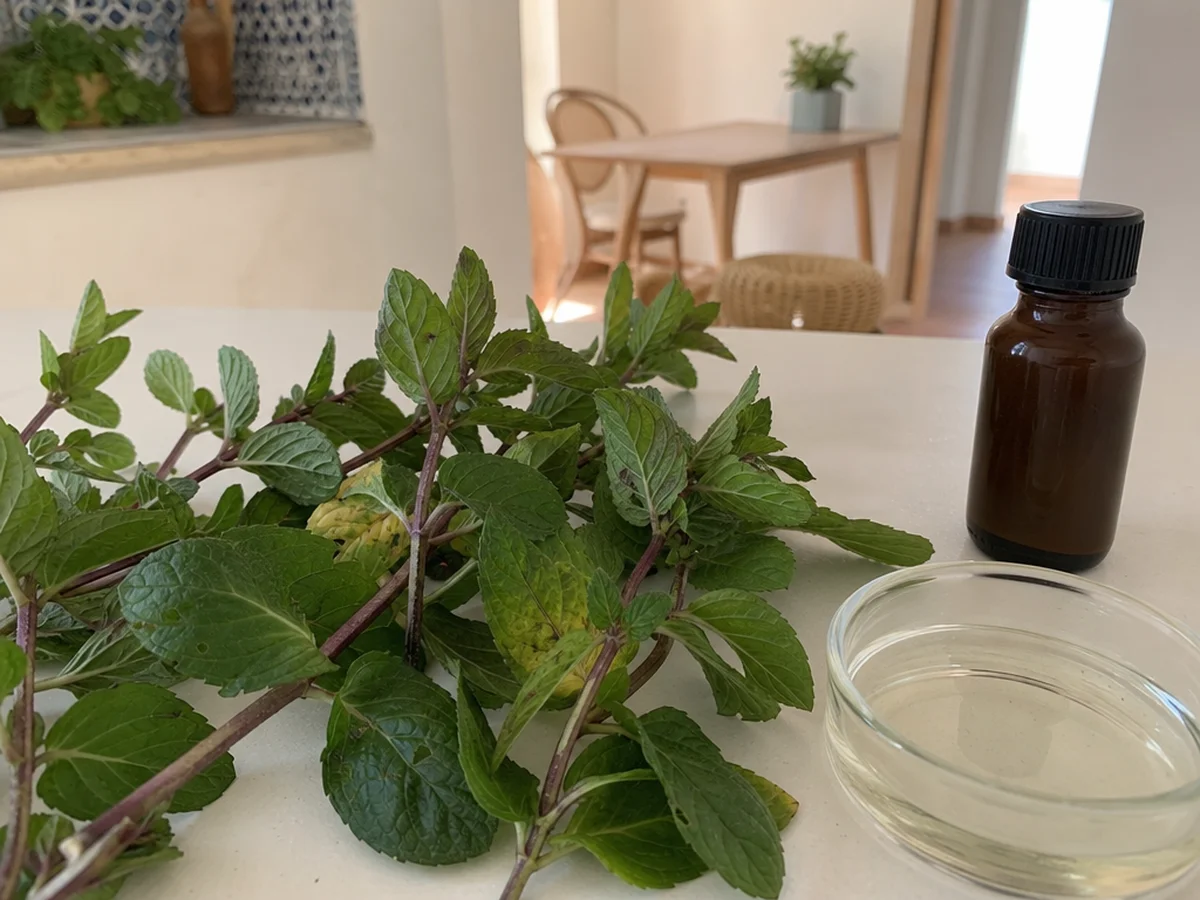
Mint sprays are popular, so a word on the chemistry. Menthol, the biggest single ingredient in peppermint oil, barely dissolves in water: PubChem lists about 456 to 490 milligrams per litre at 25 degrees Celsius for the pure compound. Reasoning from that, oil shaken into a water-based spray separates, so each squirt delivers a different amount. A water-based spray also needs a preservative if you plan to keep it, which is a product-making question for a craft supplier to answer.
For scale, the Cosmetic Ingredient Review reports peppermint oil in marketed foot sprays at up to 0.5 percent and in pump hair sprays at up to 0.02 percent. As arithmetic, 100 ml of spray at 0.5 percent holds 0.5 ml of oil, about 10 drops if your dropper makes 20 to the millilitre. Our spray page works through the numbers in more detail.
Doors, kitchens and the pest question
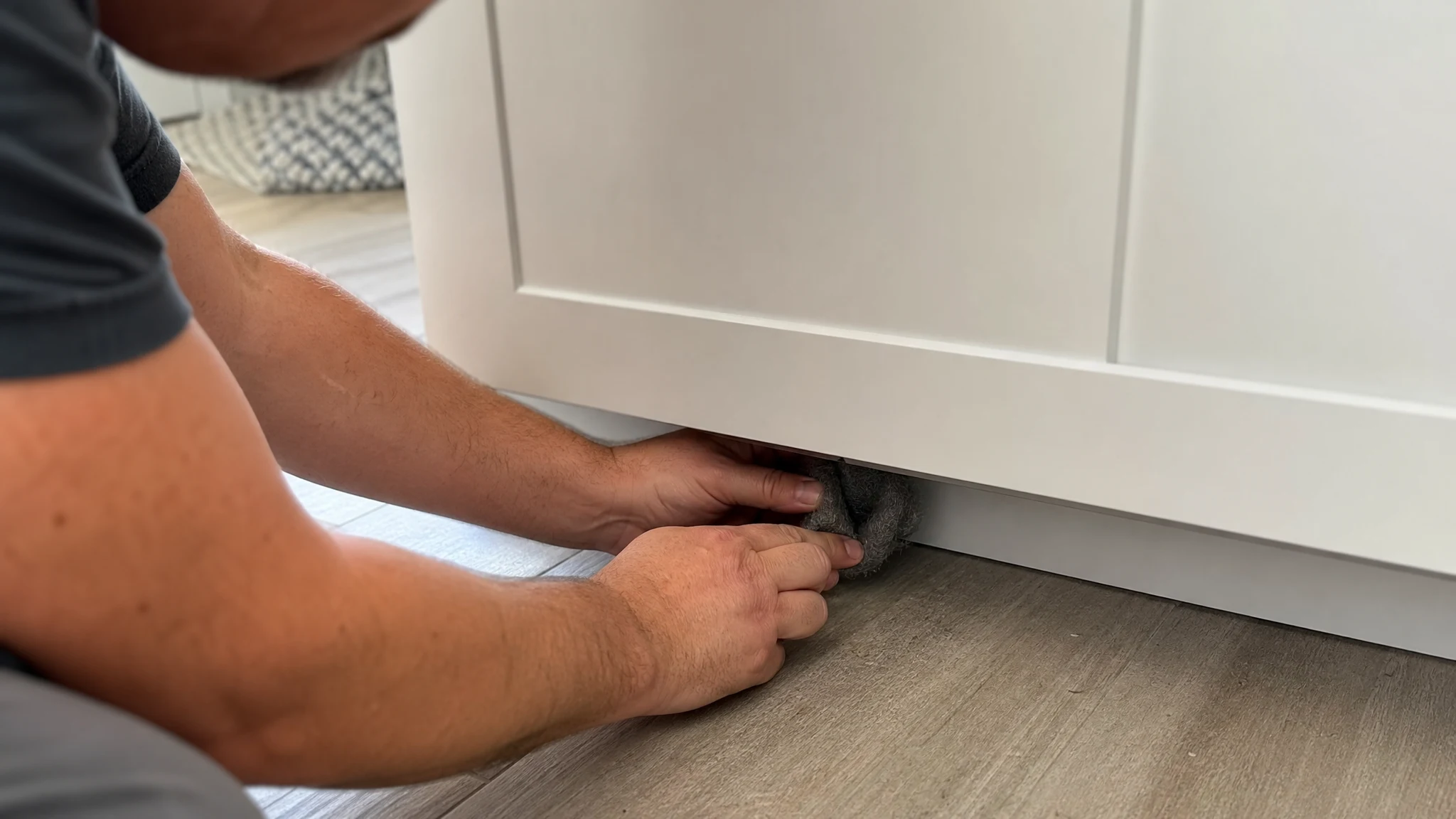
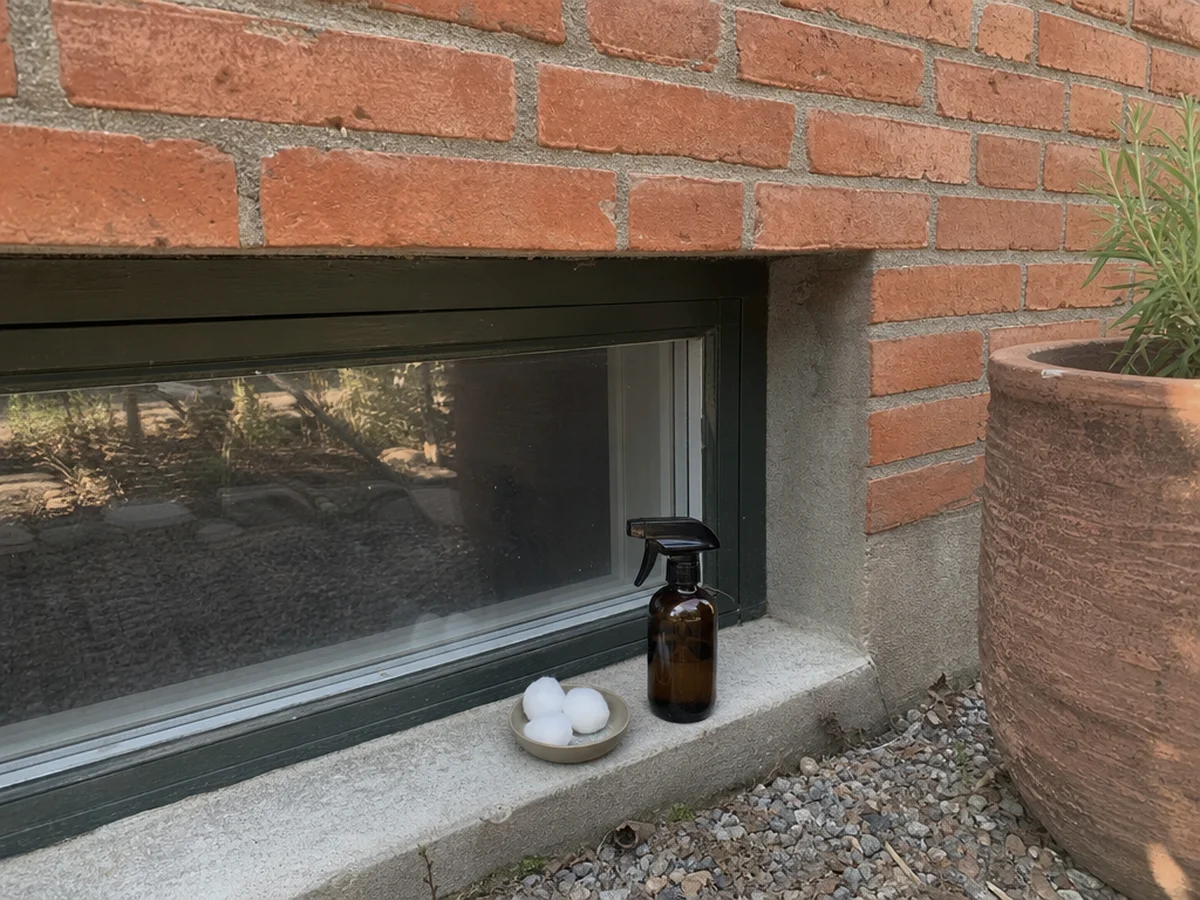
You will see peppermint oil recommended for keeping pests out. We would like to be direct: we sell aromatic oils, not pest control. Peppermint oil is on the EPA's list of minimum-risk active ingredients, listed in 40 CFR 152.25 as peppermint oil, and the same rule bars a minimum-risk product from claiming to control microorganisms that threaten human health or insects and rodents that carry specific diseases. Being exempt from registration means a product does not have to be registered. It says nothing about whether it works. Our posts on mice and on ants and spiders look at what the studies actually found. If you have a real infestation, a pest professional is the right call. If you simply enjoy the smell near an entryway, place it where children and pets cannot reach, never on a surface anyone will touch or lick.
Small corners that suit a light touch
The best spots for peppermint are often the ones where you only want a hint. A drop on a cotton pad sealed inside a small jar with a few holes poked in the lid can sit high on a closet shelf, well away from anything that might touch it. A paper strip clipped inside a cupboard door does the same job. Keep every one of these out of reach of children and pets, and replace them when the scent fades rather than adding more oil.
Make it seasonal
Peppermint feels most at home in winter. Our piperita pairs easily with sweet orange, as our pairing guide explains, and a light touch of that mix in a diffuser makes a room smell like December. In warmer months, a smaller amount of peppermint goes a long way, so cut back rather than keep running it at winter levels.
Little ones and animals
NCCIH says peppermint oil should not be applied to the face of infants or young children, and the ASPCA lists mint as toxic to dogs, cats and horses, with essential oils named as the toxic principle. That page is about the plant, so we treat the concentrate with extra care. Our children page and cat guide go further. Poison Control's advice is to keep essential oils locked up, out of sight and reach of children and pets.
The cabinet where it lives
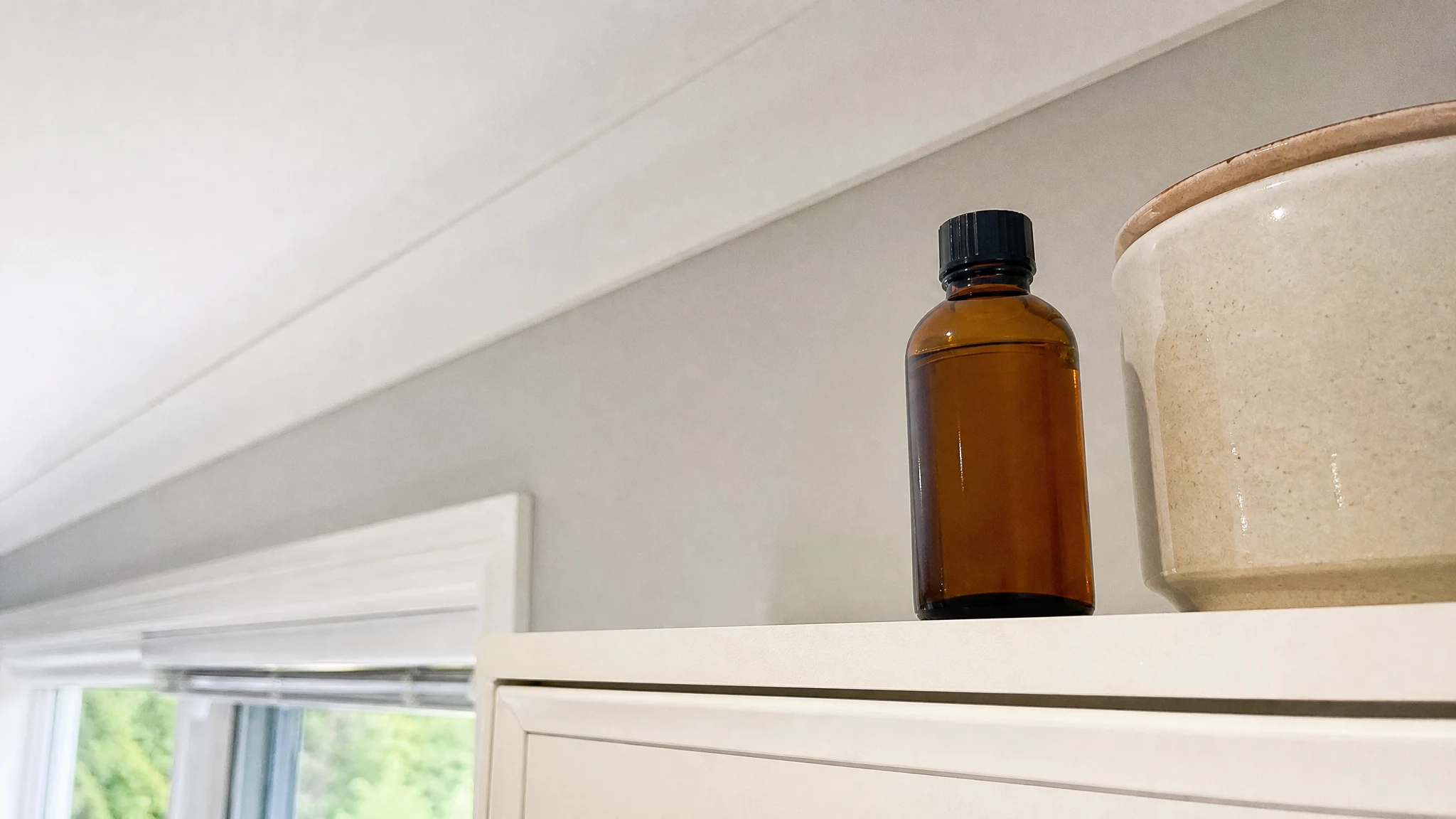
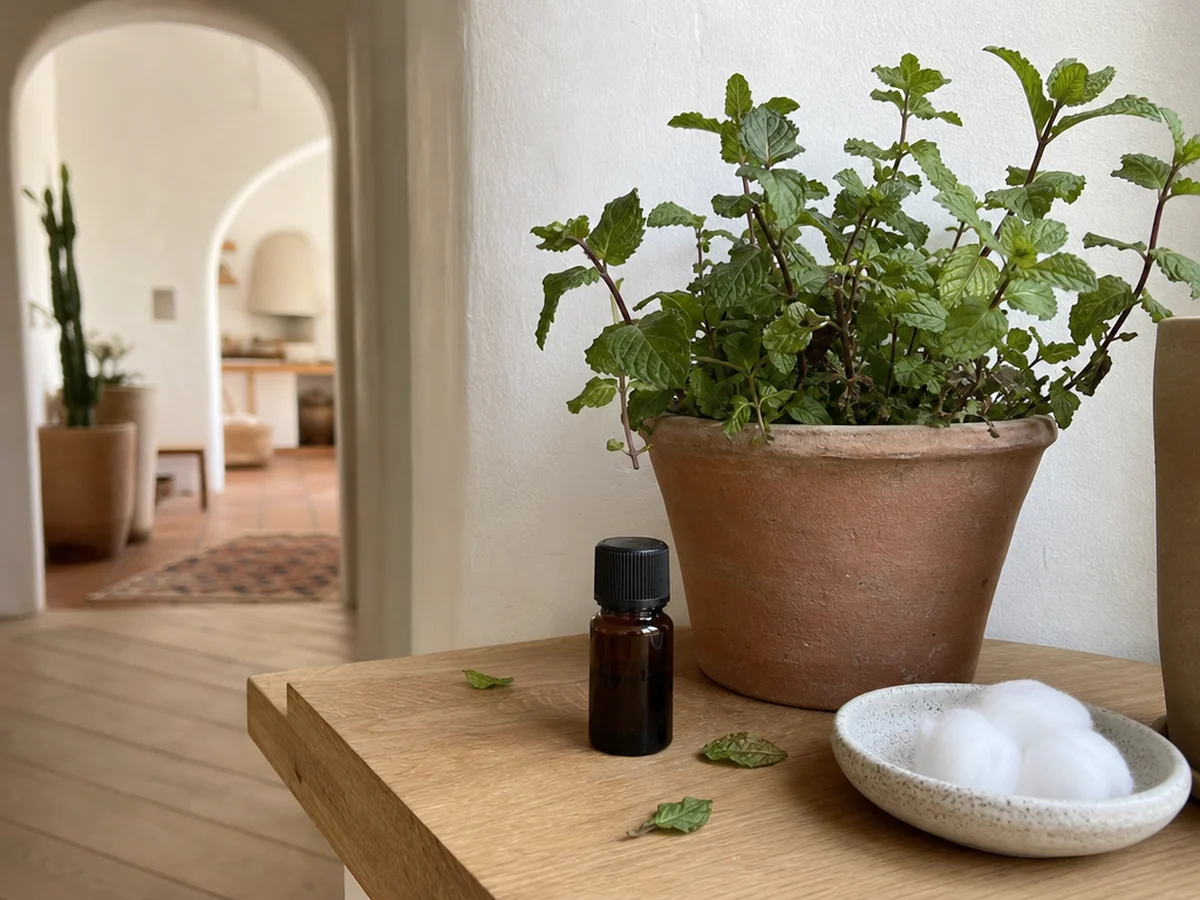
Storage is the part people skip. We recommend keeping the bottle tightly capped, upright and shielded from heat and sunlight, with a shaded cabinet far from the stove or a sunny sill. Under those conditions our piperita oil typically keeps for 3 to 5 years and our cornmint for 2 to 3. Our storage guide explains why.
If one thing sticks, let it be this: in a home, peppermint is wonderful in small, well-placed amounts, and it behaves best when it lives somewhere out of reach.
Peppermint Essential Oil
Peppermint Essential Oil from our own shop, in sizes from 0.5 oz to bulk.
From $10.99
Shop Now →Sources & Further Reading
- Peppermint Oil: Usefulness and Safety, National Center for Complementary and Integrative Health, May 2025.
- Toxic and Non-toxic Plants: Mint, ASPCA.
- Essential oils: Poisonous when misused, Poison Control.
- 40 CFR § 152.25 - Exemptions for pesticides of a character not requiring FIFRA regulation., Legal Information Institute.
- Amended Safety Assessment of Mentha piperita (Peppermint)-Derived Ingredients as Used in Cosmetics, Cosmetic Ingredient Review, 2018.
- Volatile organic compound and particulate matter emissions from an ultrasonic essential oil diffuser, Schwartz-Narbonne H, Du B, Siegel JA, Indoor Air, 2021.
- The impact of emissions from an essential oil diffuser on cognitive performance, Du B, Schwartz-Narbonne H, Tandoc M and colleagues, Indoor Air, 2022.