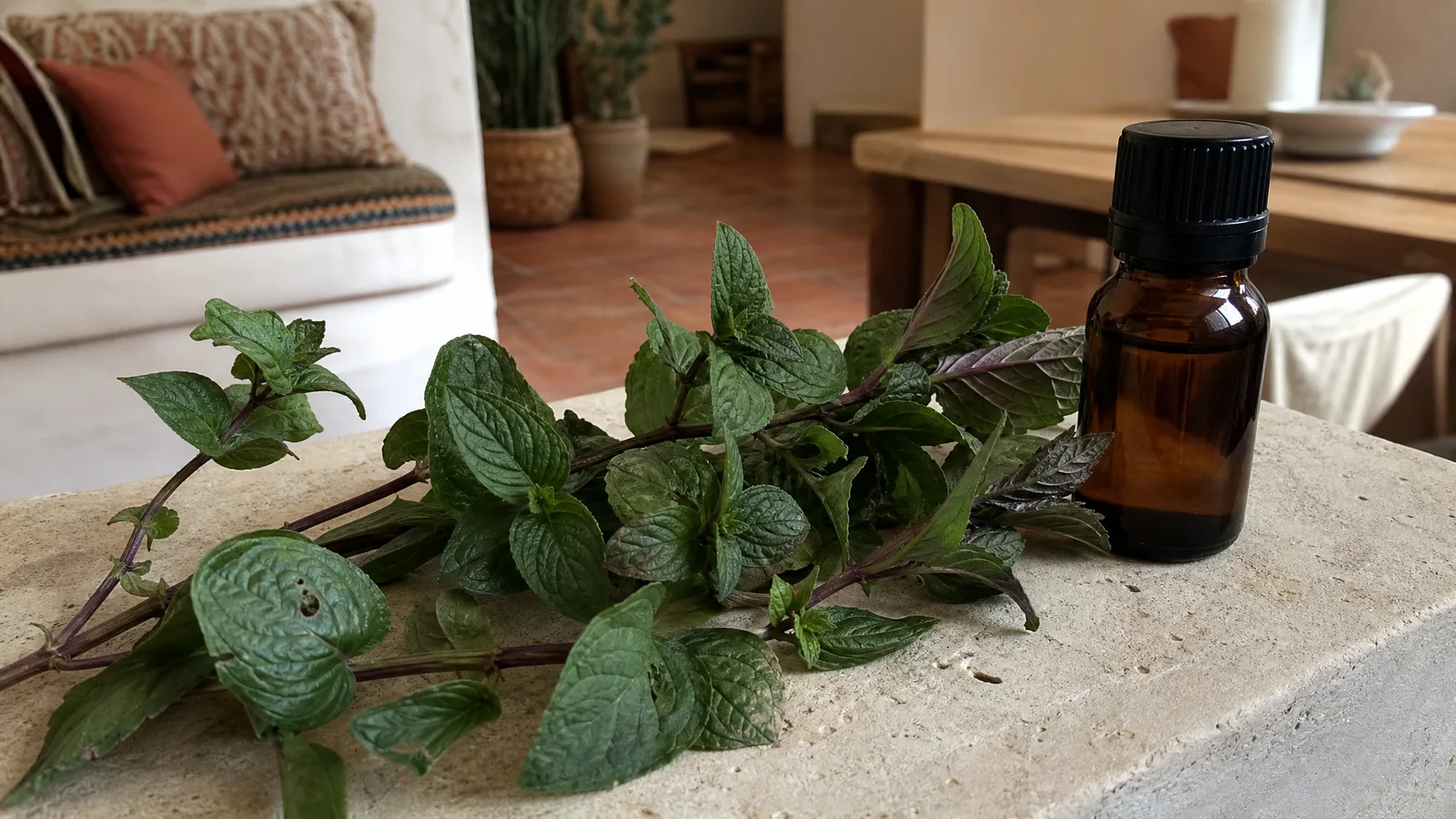
How to Buy Peppermint Oil: Start With Your Household
Most buying guides start with species, certificates and bottle sizes. We would rather start with your kitchen counter. Peppermint is among the most potent oils most people will ever handle, so a few quick questions about who lives in your home will tell you how to buy, what size to buy and where the bottle should live. Once those are settled, the shopping part is easy.
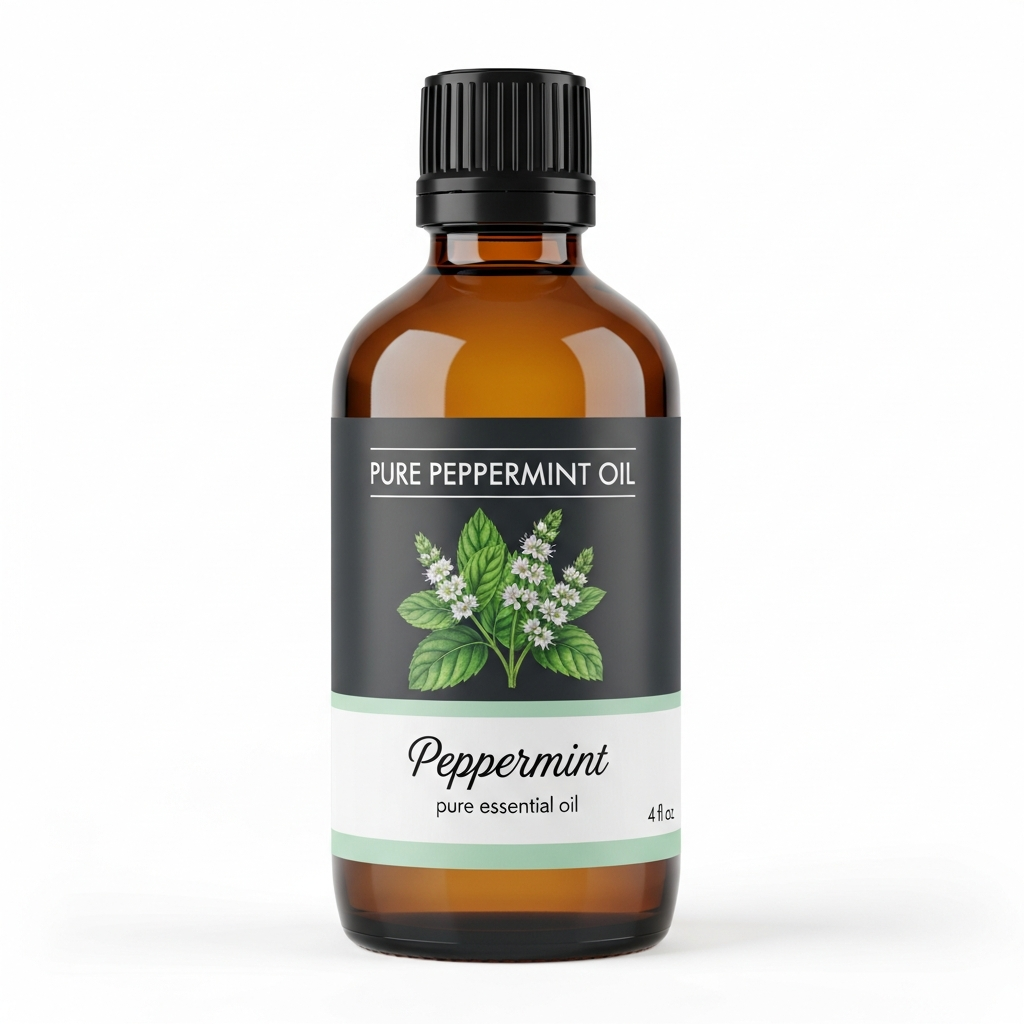
Peppermint Essential Oil
Our own Peppermint Essential Oil, in sizes from 0.5 oz to bulk.
From $10.99
Shop Now →Who else is in the house?
Babies and small children. The US National Center for Complementary and Integrative Health advises against peppermint oil on the face of infants and young children, because serious side effects may occur if they inhale the menthol. Our own guidance says the same: keep concentrated menthol away from small children's faces. Neither source gives an age at which that stops applying, and our 0.5% to 2% skin dilution line carries no age qualifier either, so with young children around, our children page is the one to read first.
Storage belongs to the same question. Poison Control advises that essential oils be locked up, out of the sight and reach of children and pets, and that is easy to do with a small bottle. It is one reason we point most first-time buyers to the smallest size that suits the job.
Cats, dogs and horses. The ASPCA lists mint (Mentha species) as toxic to dogs, cats and horses and names essential oils as the toxic principle. Its page is about the plant, so it does not say how much oil is too much. Reasoning from it, a concentrated oil deserves at least as much care as the leaf. If you share your home with animals, our cat guide and dog guide go into detail, and your vet is the person to ask about a particular animal.
Pregnancy, nursing or a medical condition. NCCIH notes that oral peppermint in the amounts found in food is likely fine during pregnancy and breastfeeding, while little is known about medicinal amounts. A neat aromatic oil is a different thing again, so we ask anyone who is pregnant, nursing or managing a medical condition to talk to a physician first. The Cosmetic Ingredient Review also reports a recommendation from Tisserand and Young that people with G6PD deficiency or cardiac fibrillation avoid peppermint oil altogether. Our pregnancy page has more.
What will you use it for?
Peppermint shines in a diffuser in an adults-only room, in a diluted skin product, and in soaps, balms and candles you make yourself. It is not meant for swallowing, and it is not a replacement for medical care. NCCIH says the small body of research on peppermint oil is mostly about irritable bowel symptoms using coated capsules, which are not the same as a bottle of aromatic oil. If you are shopping for a health complaint, a pharmacist or physician is the right first stop. Our ingestion page covers the reasoning.
How much is the right amount?
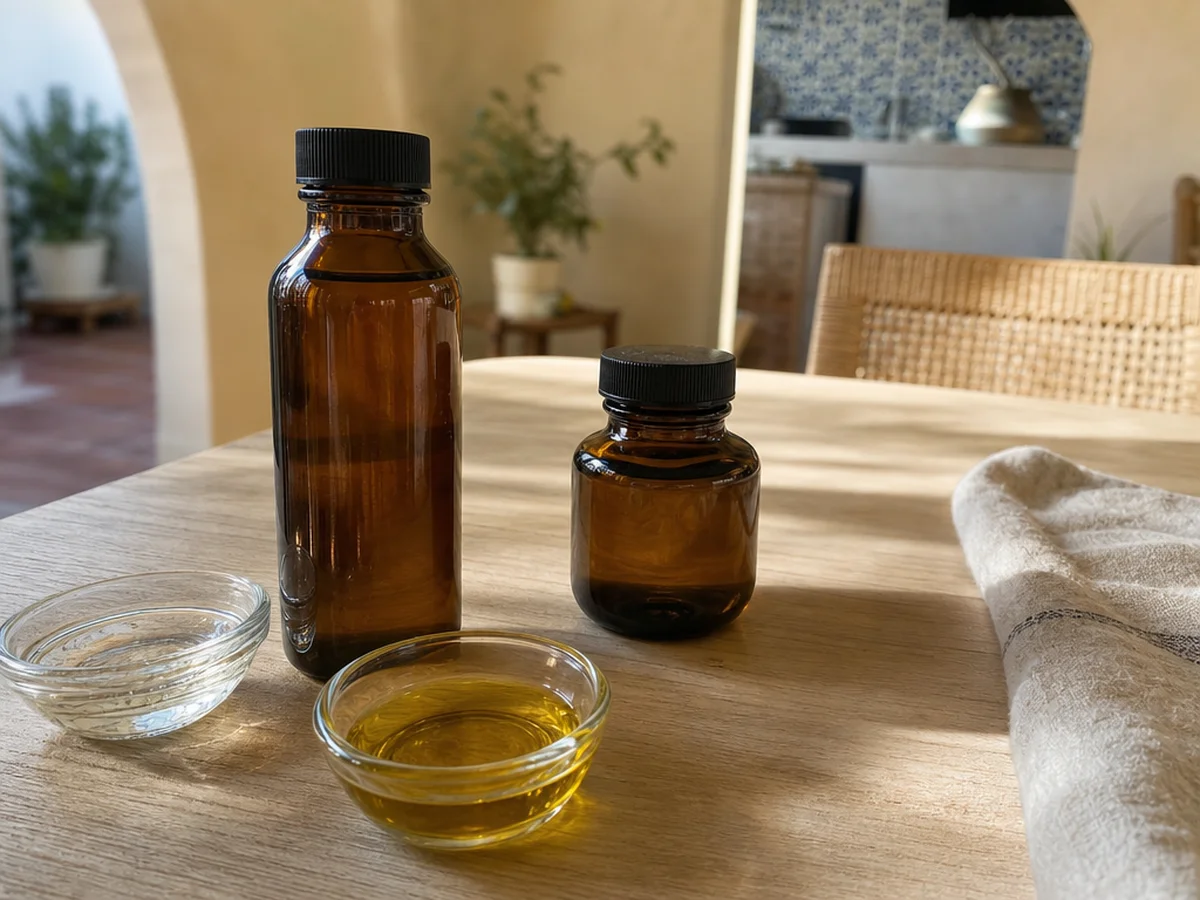
We suggest diluting to 0.5% to 2% in a carrier oil for skin and patch testing first, and we would start at 0.5%. The Cosmetic Ingredient Review reports a recommended dermal maximum of 5.4% for Mentha piperita oil, based on pulegone and menthofuran content, and our range sits below it. A published ceiling is still not a statement that a given concentration suits you. It is also written for piperita, and we have no equivalent figure for cornmint. NCCIH names skin rashes and irritation as the known side effects, so a patch test is cheap insurance. The working is on our dilution page and the skin basics are on the skin page.
Where the bottle will live
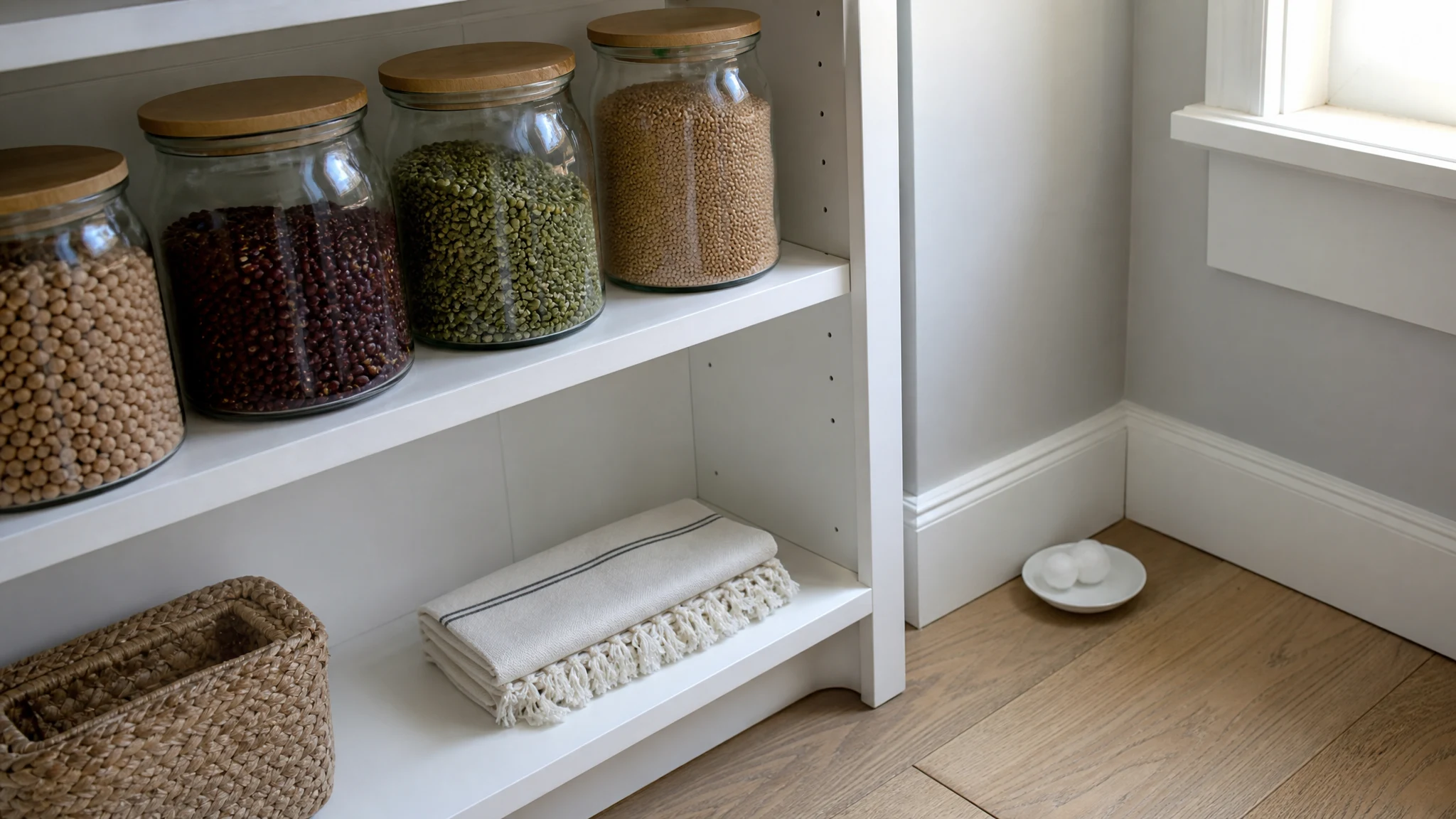
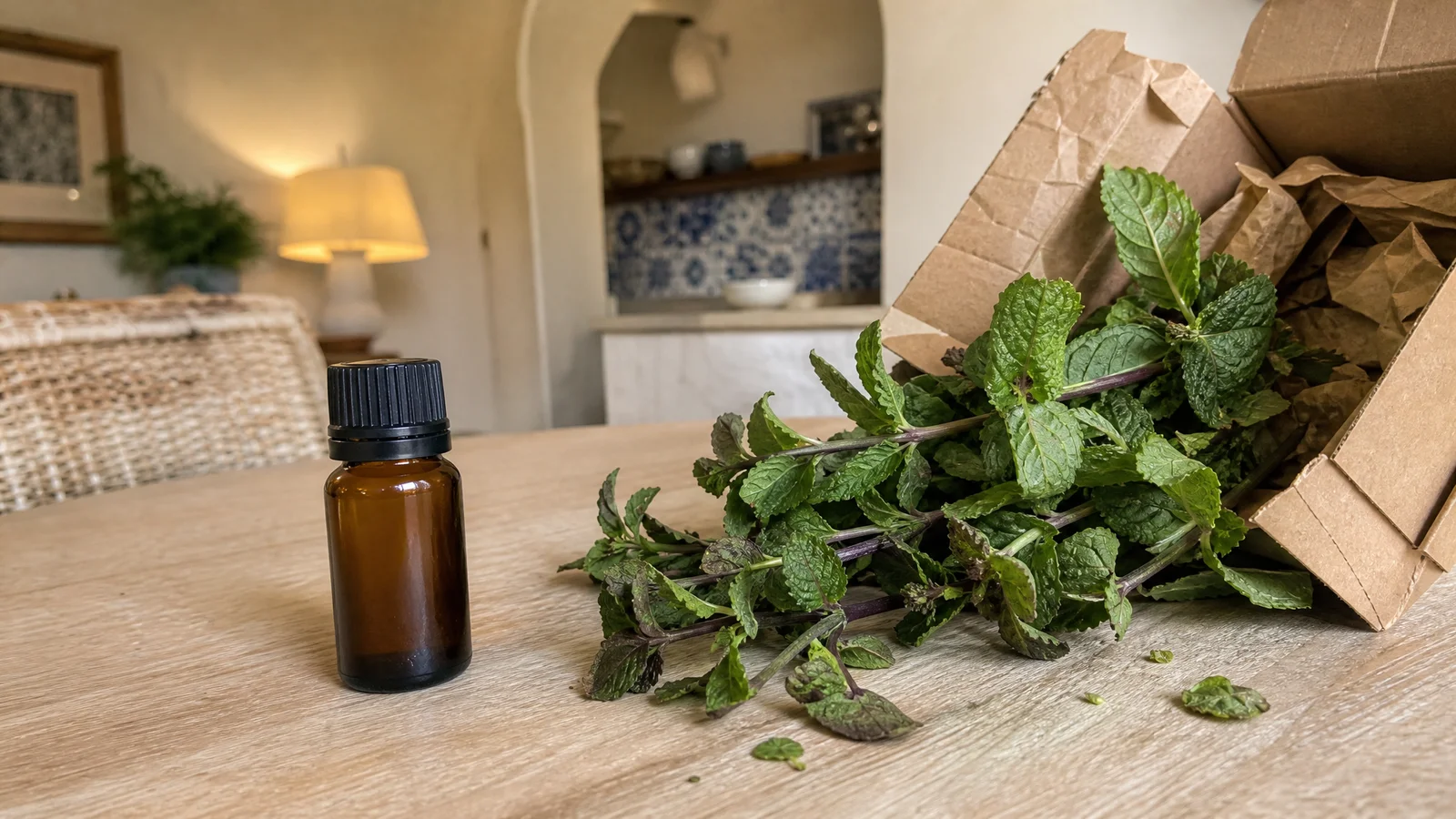
Decide on the storage spot before the parcel arrives. We suggest a shaded cabinet, upright and tightly capped, far from the stove and out of direct sun, and high enough or latched so that small hands and curious paws cannot reach it. If you share a home, tell everyone where the bottle lives and what it is. A note on the cabinet door saves a lot of guessing later.
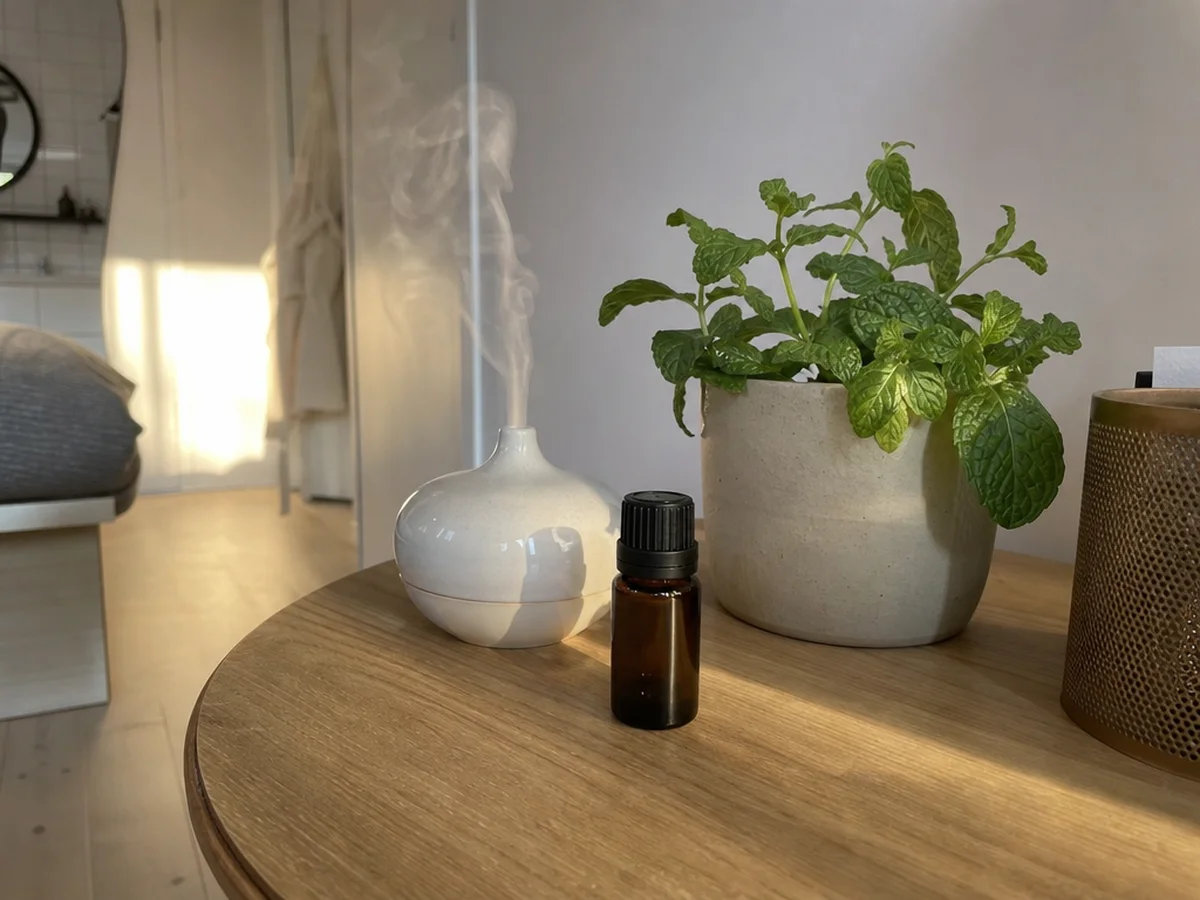
Then comes the fun part
With the household questions answered, shop in this order:
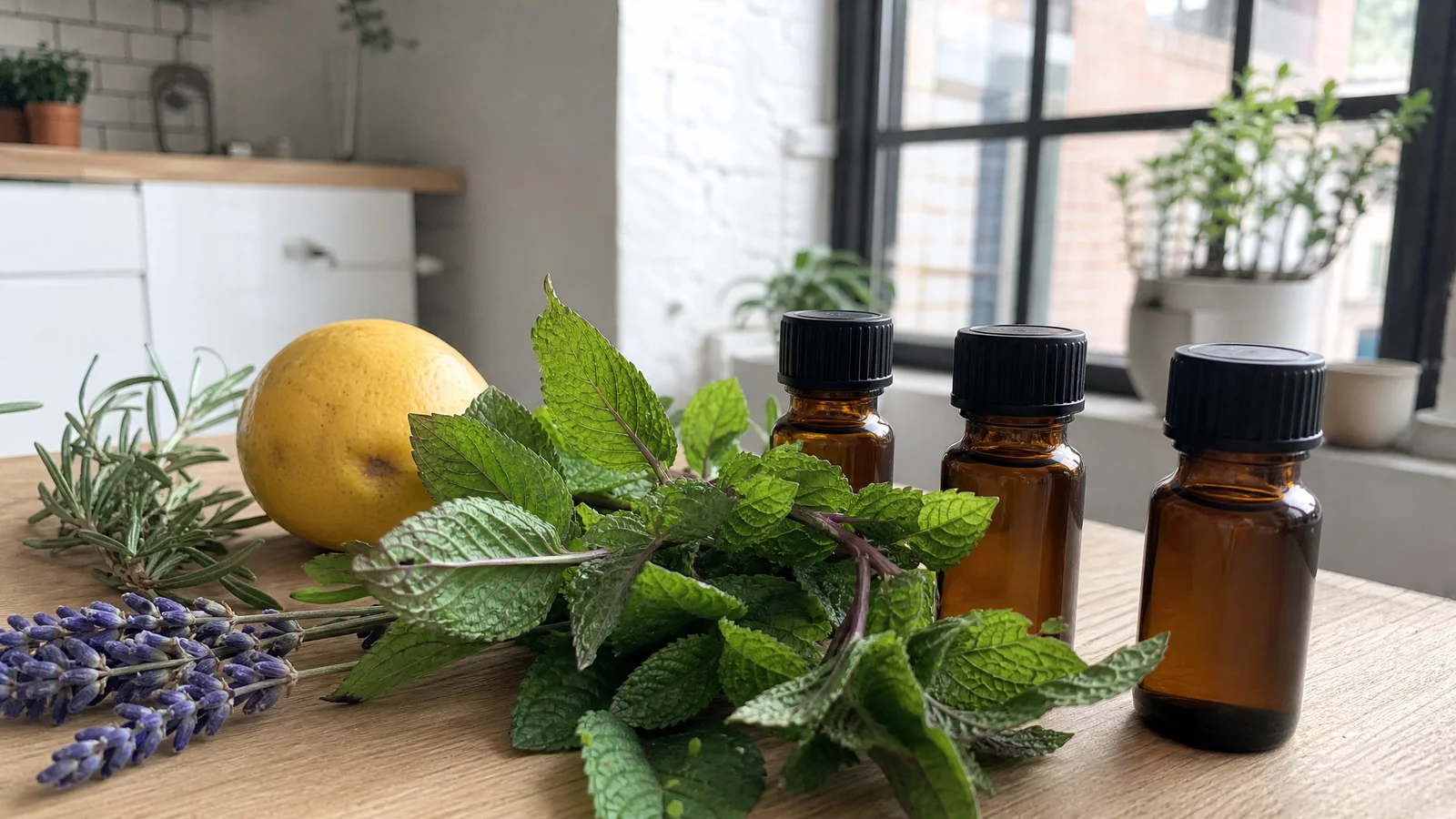
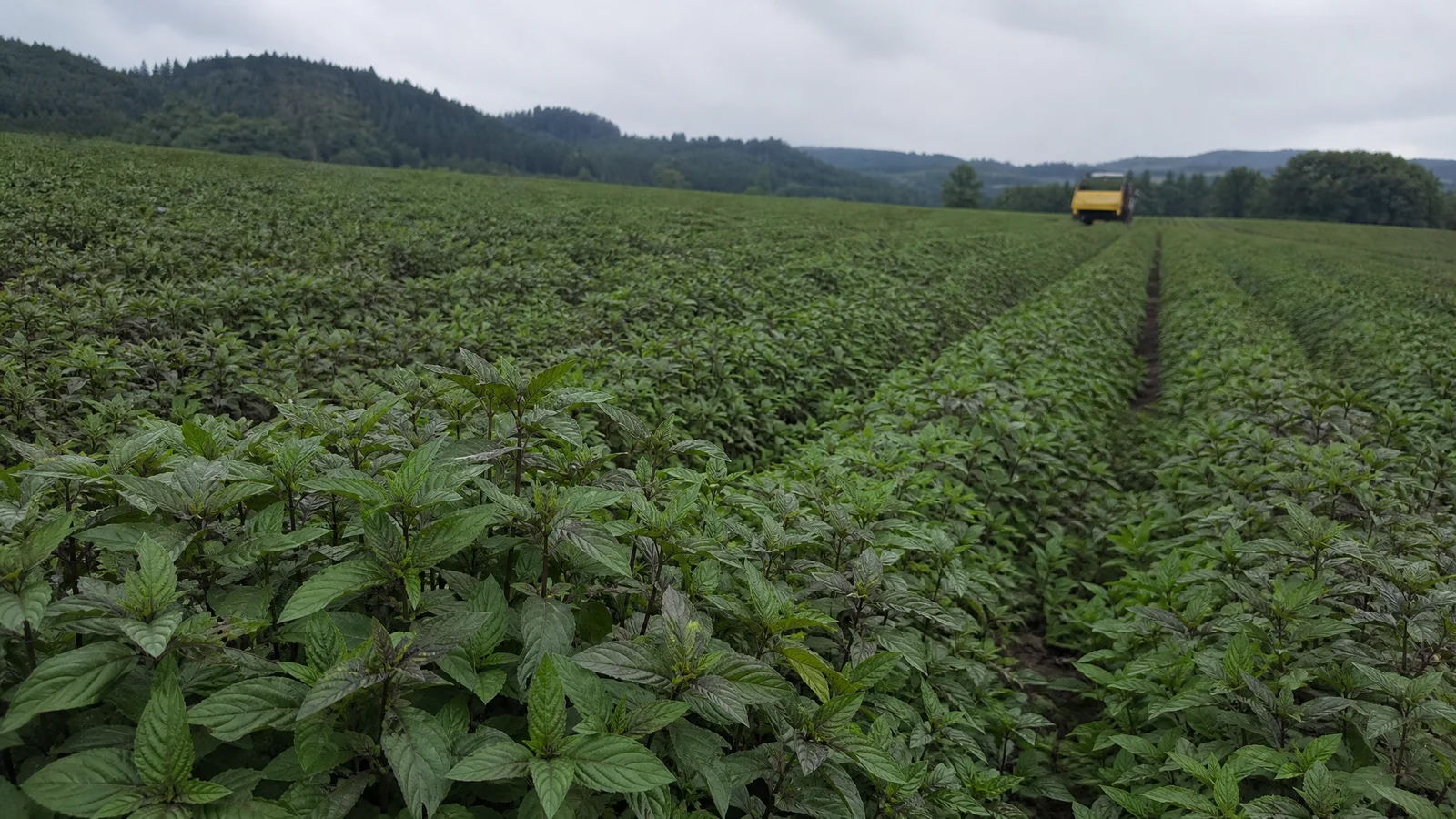
- Species first. Two different plants are sold as peppermint oil. We offer both, a Mentha piperita and a Mentha arvensis, and the choice is a matter of the aroma you want.
- Paperwork second. The Certificate of Analysis we publish is for a piperita sample and lists a refractive index. If you need menthol, menthone and pulegone figures for the lot you will receive, ask us in writing through the contact page before ordering. Our paperwork guide explains how to read any seller's documents.
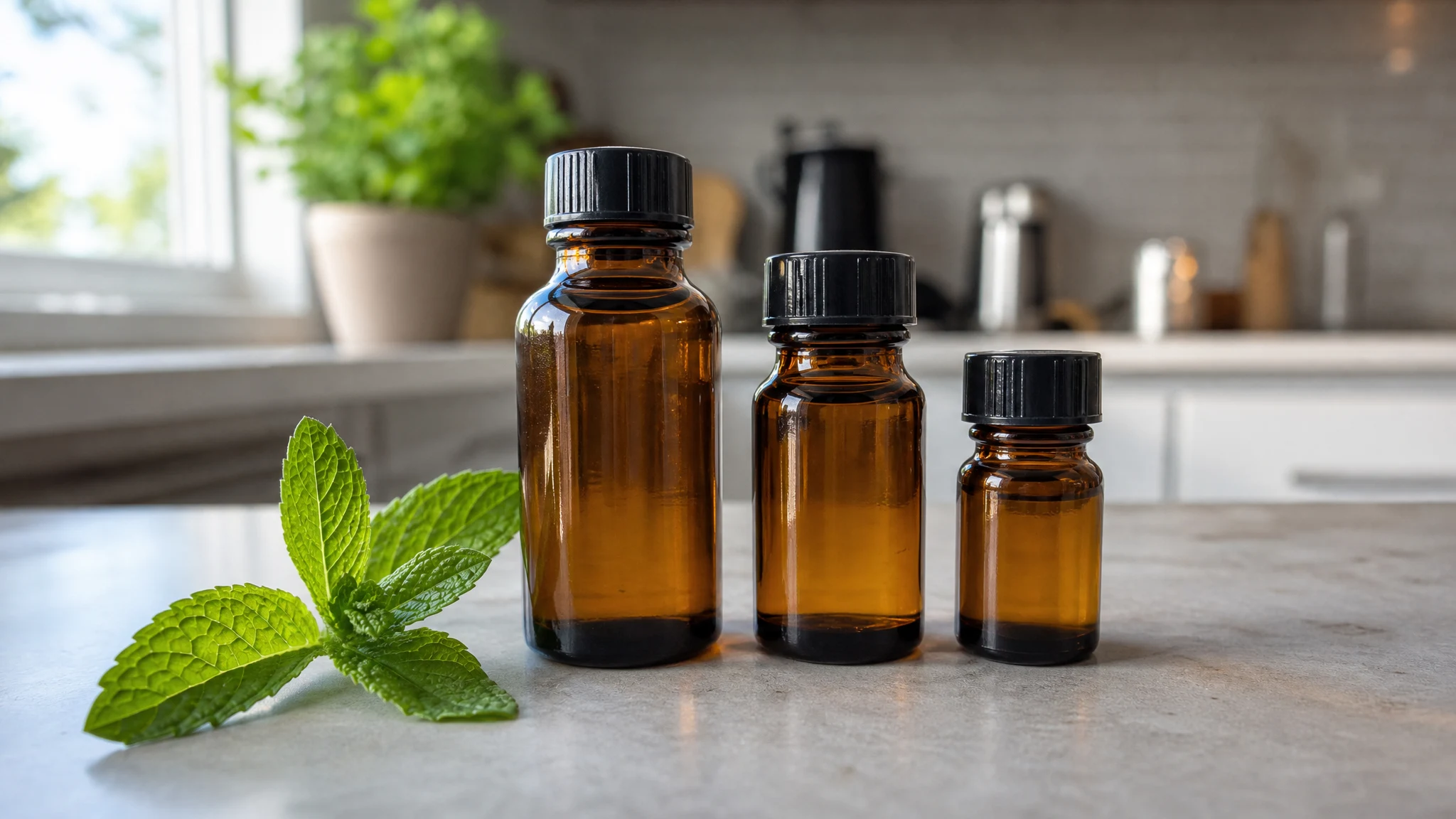
- Size third. The smallest bottle that fits the project is usually the best start.
When the bottle does arrive, take a minute with it. Hold it a few inches below your nose rather than right against it, and let the first sniff pass before you decide. Our piperita reads as crisp and cool with a faint candy-like sweetness, and our arvensis as bolder and sharper. Knowing which one you prefer before you start a project saves you from a bottle that is wrong for the job.
Write the date on the label and keep your first project small. A simple first batch teaches you more about how strong the oil is than any chart can.
Safety questions, then quality questions, then size: that is the order we would walk a curious customer through.
Peppermint Essential Oil
Peppermint Essential Oil from our own shop, in sizes from 0.5 oz to bulk.
From $10.99
Shop Now →Sources & Further Reading
- Peppermint Oil: Usefulness and Safety, National Center for Complementary and Integrative Health, May 2025.
- Essential oils: Poisonous when misused, Poison Control.
- Toxic and Non-toxic Plants: Mint, ASPCA.
- Amended Safety Assessment of Mentha piperita (Peppermint)-Derived Ingredients as Used in Cosmetics, Cosmetic Ingredient Review, 2018.