Where to Buy Peppermint Oil: Questions to Ask Sellers
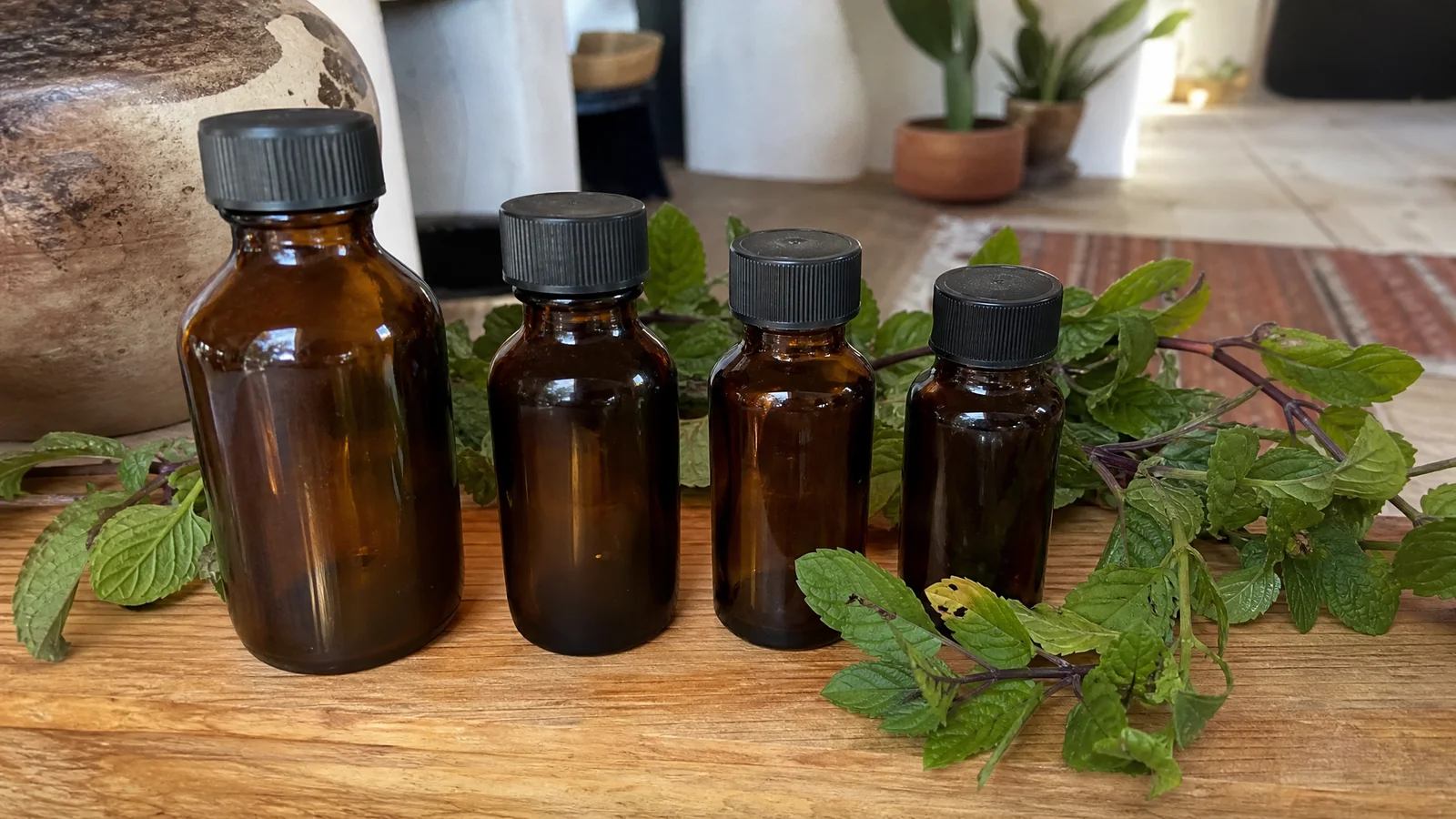
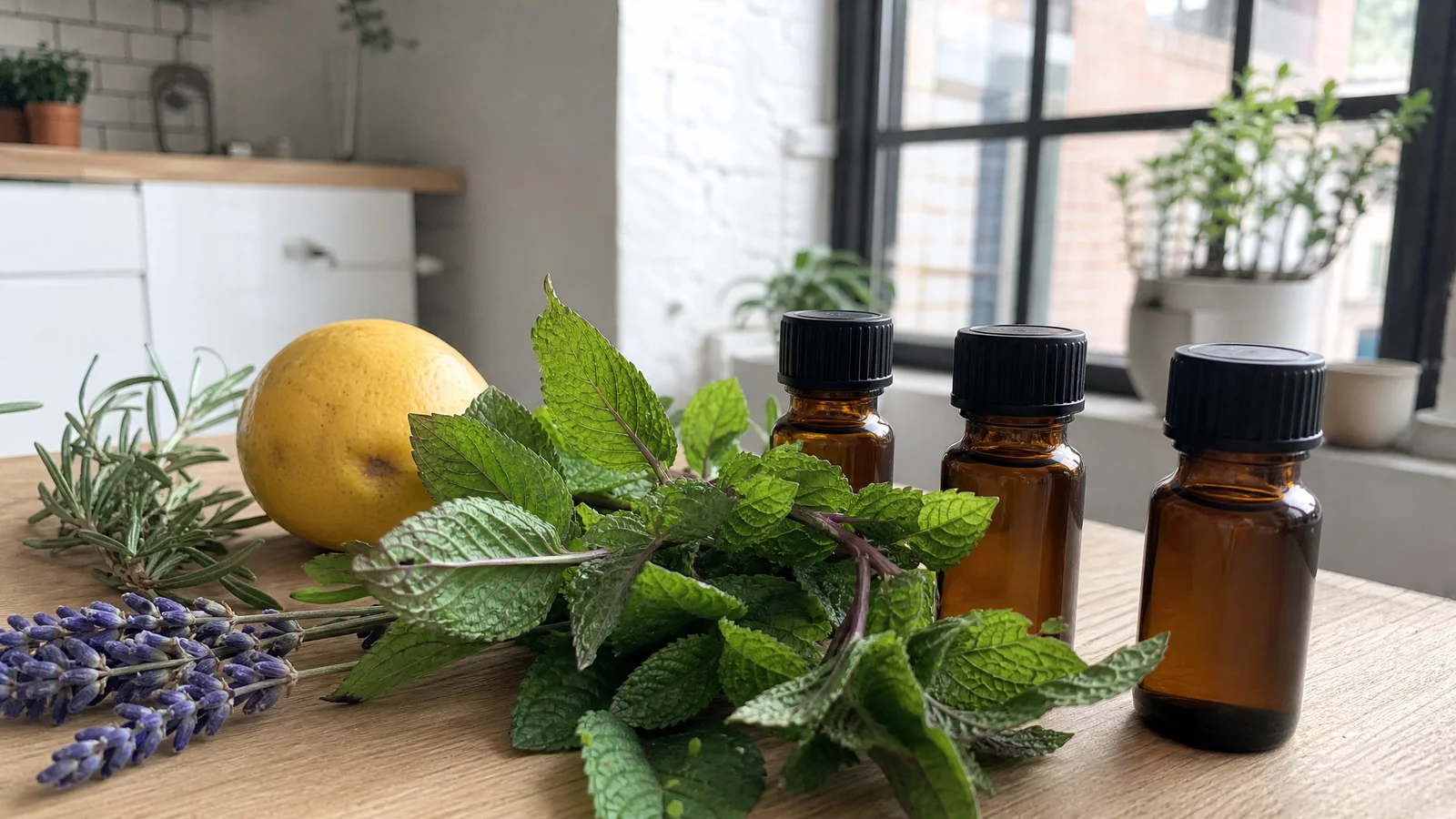
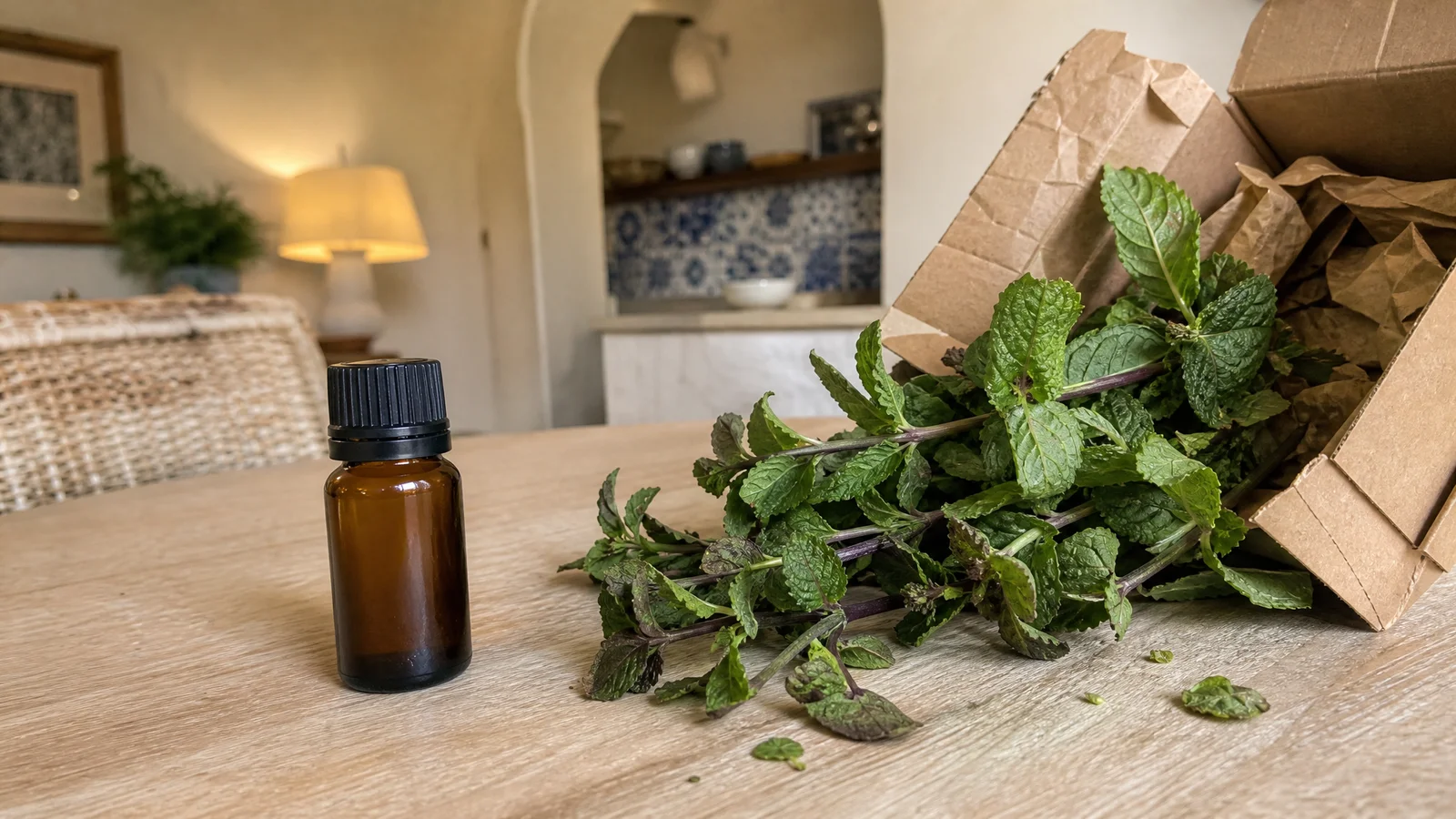
Ask where to buy peppermint oil and the honest answer is "for what?" The same two words cover a flavouring in the baking aisle, a capsule at the pharmacy and a bottle of neat aromatic oil, and they are three different products. We sell the last of those: two aromatic peppermint oils, a Mentha piperita and a Mentha arvensis (cornmint), neat, in sizes from 0.5 oz up to 400 lb. Here is how we would sort out the shopping, starting with the use.
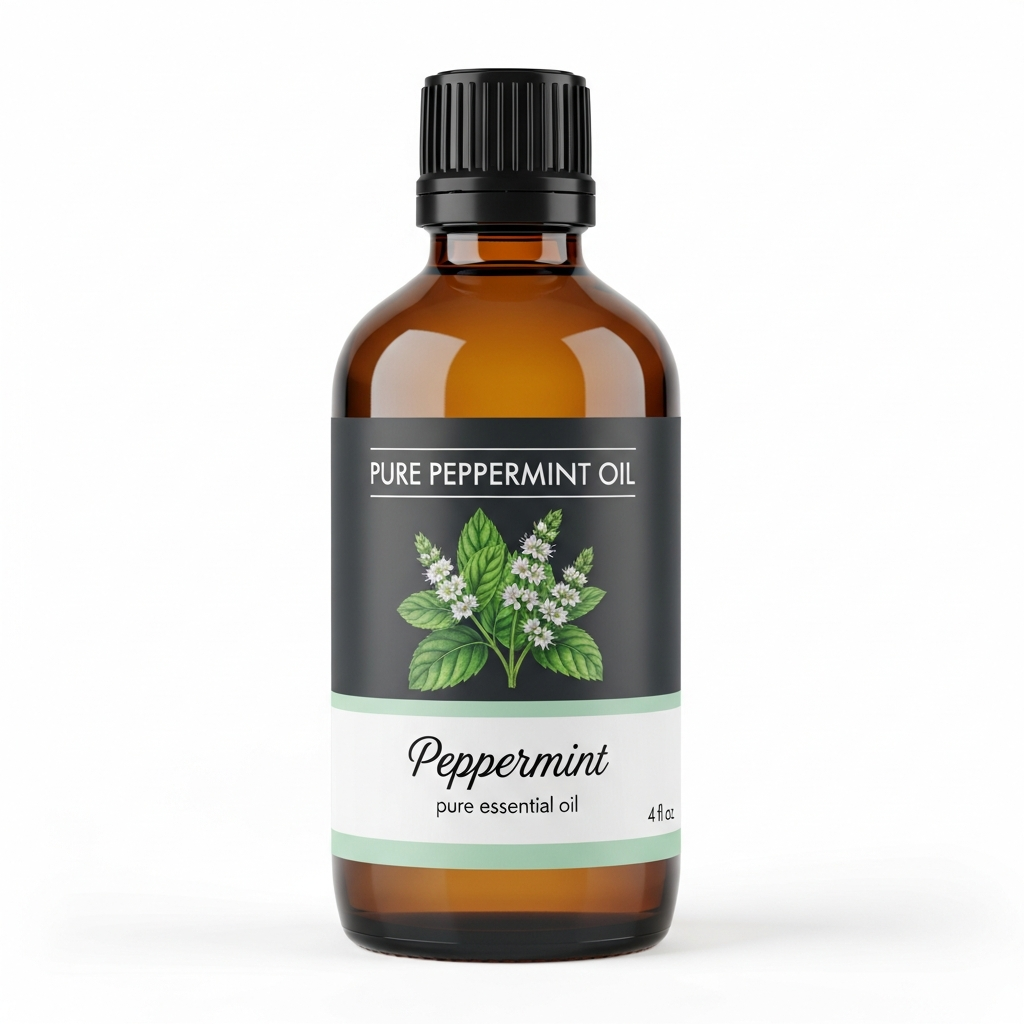
Peppermint Essential Oil
Our own Peppermint Essential Oil, in sizes from 0.5 oz to bulk.
From $10.99
Shop Now →Start with the job, then pick the shelf
- Flavouring food or drinks. Look in the baking aisle for something made and labelled as a food. A neat aromatic oil is not measured for that purpose; our extract versus essential oil guide and our ingestion guide explain why.
- Digestive complaints. Talk to a physician or pharmacist. The form that has been studied is a capsule, not a bottle, as our IBS guide describes.
- Diffusing, or diluting for skin. This is what aromatic oil sellers are for: online, in craft shops and health stores, or with us.
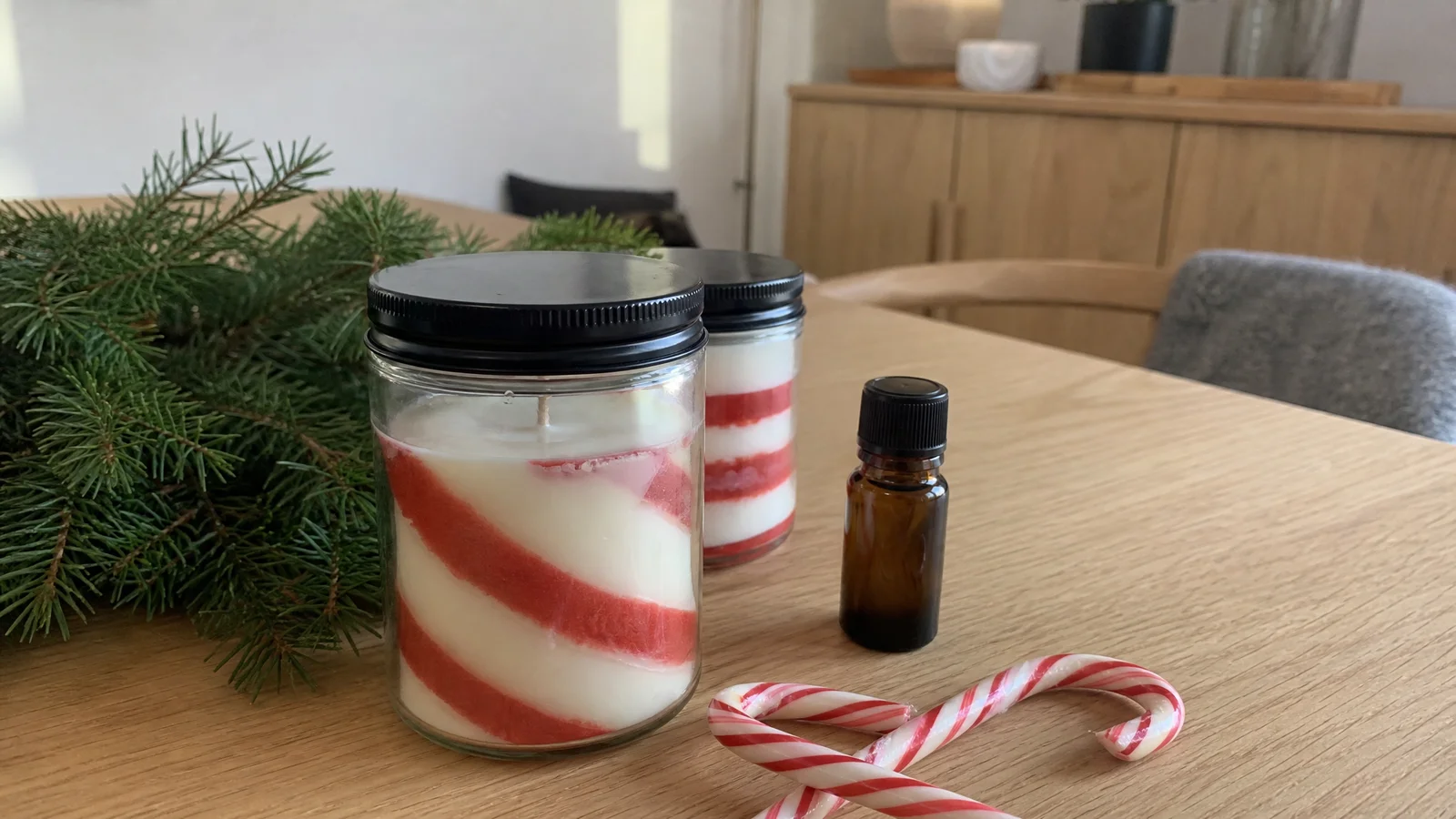
- Soap, candles and lip balm. A craft supplier that names the oil's species and offers a document. You will buy waxes, bases and carriers separately, because we do not sell those.
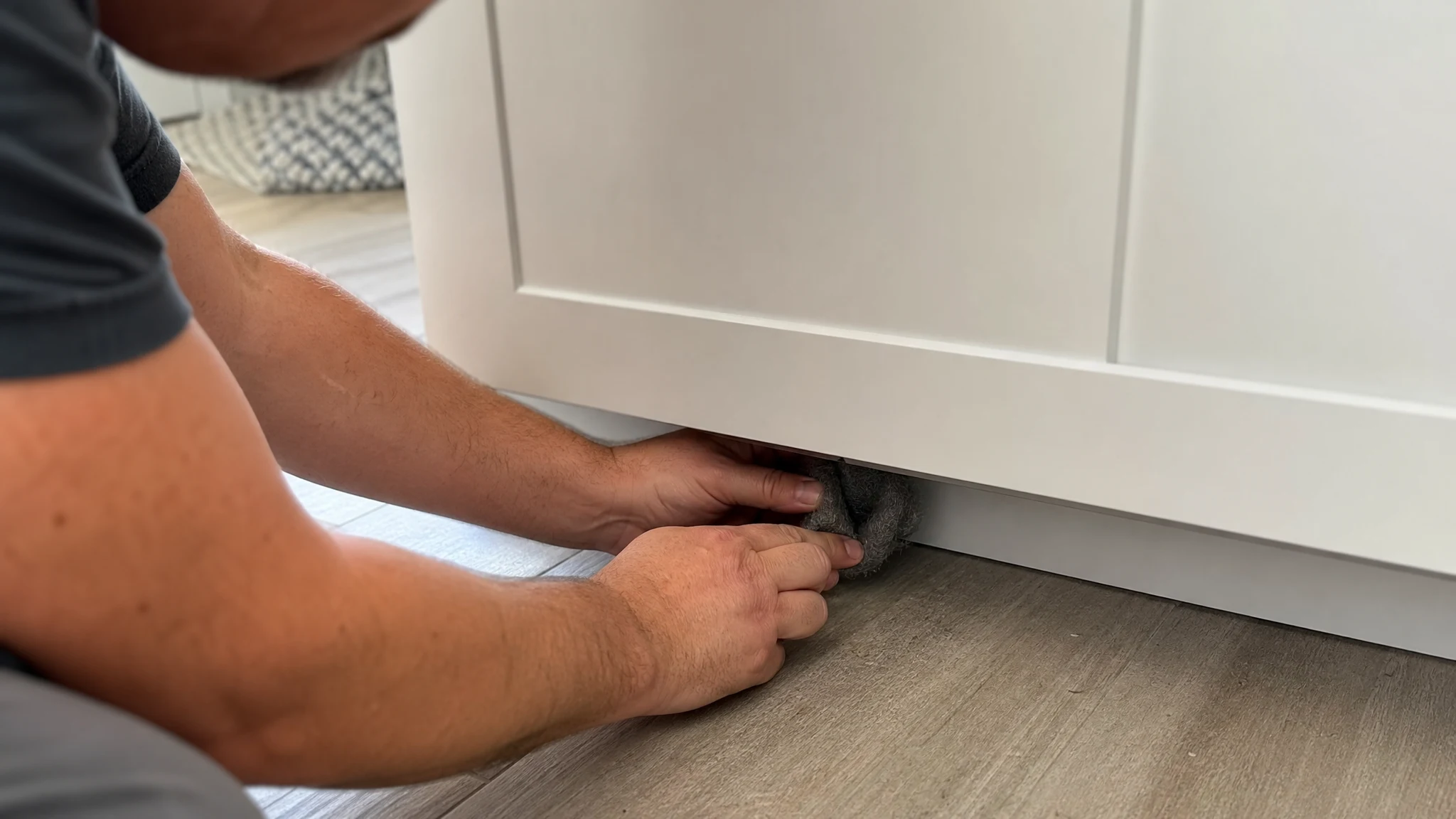
- Keeping pests away. Try a hardware store or a pest professional. We make no repellent claim for either oil.
What the label can and cannot promise
The FDA defines a cosmetic by its intended use and notes that the law does not require cosmetic products and ingredients, other than color additives, to be approved by the agency before they go on the market. It also says that a product intended for a therapeutic use, such as treating or preventing disease, is a drug even if it affects appearance. Two things follow, and both are our reading of that text. A fragrance or cosmetic oil's label is the seller's own statement, since nobody cleared it in advance. And a listing that promises a health outcome is making a drug-style claim, which is a reason to read it more closely. Ours carry the line that they are not intended to diagnose, treat, cure or prevent any disease.
Brand shops, marketplaces and local stores
We found no source that ranks these channels for quality, so we do not rank them. What we can say is what each lets you check. A seller's own website can show the Latin name, the sizes, documents and a way to ask questions in writing. A marketplace listing shows a title and photographs, so ask for the lot number and its analysis before you buy and keep the message. A local shop lets you read the bottle itself: look for the Latin name, a lot number and an ingredient list, and ask whether the staff can get the analysis for that lot.
Insisting on that is not fussiness. A 2025 NMR study of 50 commercial peppermint oils found 42% adulterated, with synthetic chemicals, de-mentholized cornmint oil and lower-cost oils among the adulterants. A 2024 study found 53% of 36 commercial products sold as containing peppermint oil did not meet the ISO specification. Neither paper names a channel or a brand, so neither tells you where the failing bottles were sold. They show only that the issue is documented in the market.
Six questions for any seller
- Which species is it, as a Latin name? "Peppermint" covers both Mentha piperita and Mentha arvensis.
- Can you send the analysis for the lot number on the bottle I will receive?
- Does it give menthol, menthone, isomenthone, pulegone and menthofuran as numbers, or only a pass?
- Which laboratory, date and method?
- Is the oil sold for food, cosmetic or aromatic use, or as a medicine, and does the label say so?
- Can I order a small size first, and what is the price per millilitre for the species I want?
If a seller cannot answer the second question, either buy the smallest size to try in your own project or choose a seller who can. A vague answer to the first matters more than a vague answer to the last, because two different plants are sold under one name. Our quality-check guide explains the reasoning, and our price guide helps with the last question.
How we answer them
We name the species on each product page. The Certificate of Analysis we publish is for a piperita sample and gives a refractive index. The GC-MS report we publish is for our arvensis oil and gives chemical-family totals. If you need menthol, menthone, pulegone and menthofuran figures for a lot, ask us in writing through the contact page or the wholesale page before ordering. We offer sample bottles from 0.5 oz, bulk sizes from 5 lb to 400 lb and private label enquiries, and our bottle size guide helps you pick a first size.
One recommendation from us as a seller: if you are unsure, start small. A small first bottle lets you smell the oil, check it against the label and see whether it suits your project before you commit to more, and any good seller will be happy to answer your questions while you decide.
Safety travels with the bottle
Poison control centres advise keeping essential oils out of the sight and reach of children and pets, and the US number to call after a swallow is 1-800-222-1222. The National Center for Complementary and Integrative Health says skin application can cause rashes and irritation, and that peppermint oil should not go on the face of infants or young children. We suggest 0.5% to 2% in a carrier oil, a patch test, and never taking it internally; our dilution guide has the working numbers. If you are pregnant, nursing or have a medical condition, ask a physician first. Once the bottle arrives, store it tightly capped in a shaded cabinet away from heat, as our shelf-life guide describes.
Decide the use first, then choose a seller who names the species and answers questions in writing. The same questions work wherever you shop.
Peppermint Essential Oil
Peppermint Essential Oil from our own shop, in sizes from 0.5 oz to bulk.
From $10.99
Shop Now →Sources & Further Reading
- FDA Authority Over Cosmetics: How Cosmetics Are Not FDA-Approved, but Are FDA-Regulated
- Zhao J et al., 2025. Characterization, differentiation, and adulteration detection of peppermint essential oil: An NMR approach. J Pharm Biomed Anal
- Wang M et al., 2024. Comprehensive quality assessment of peppermint oils and commercial products: An integrated approach involving conventional and chiral GC/MS coupled with chemometrics. J Chromatogr B
- Poison Control, Essential oils: Poisonous when misused
- NCCIH, Peppermint Oil: Usefulness and Safety