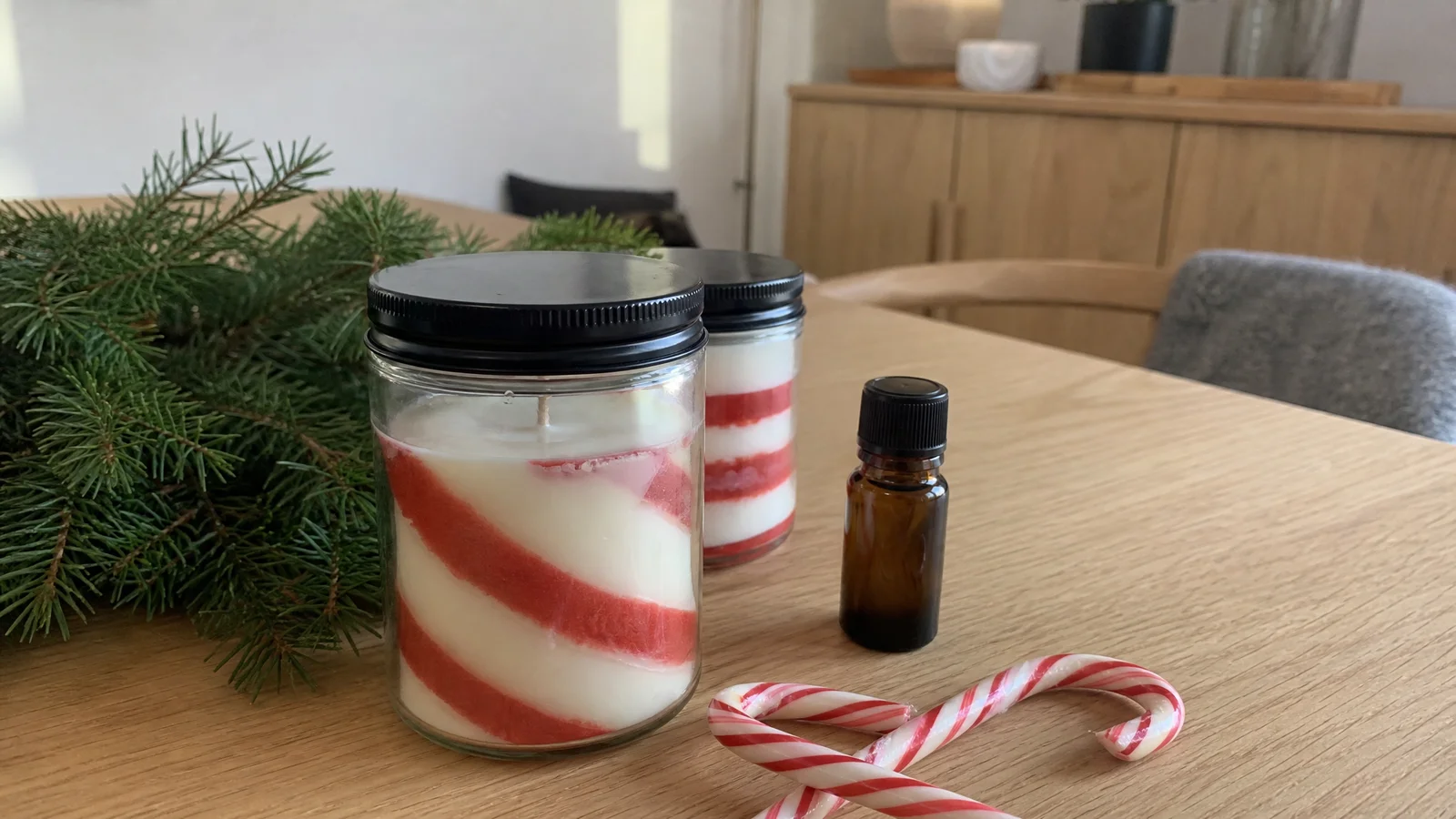
Peppermint Candles and Melts: How Much Oil to Use
Few scents say holiday like peppermint, and a red-and-white candle or a bowl of melts warming on the counter is about as festive as a home gets. The part that surprises first-time makers is quantity: scenting a single container candle can take more peppermint oil than a small bottle holds. It pays to do the arithmetic before you start pouring.
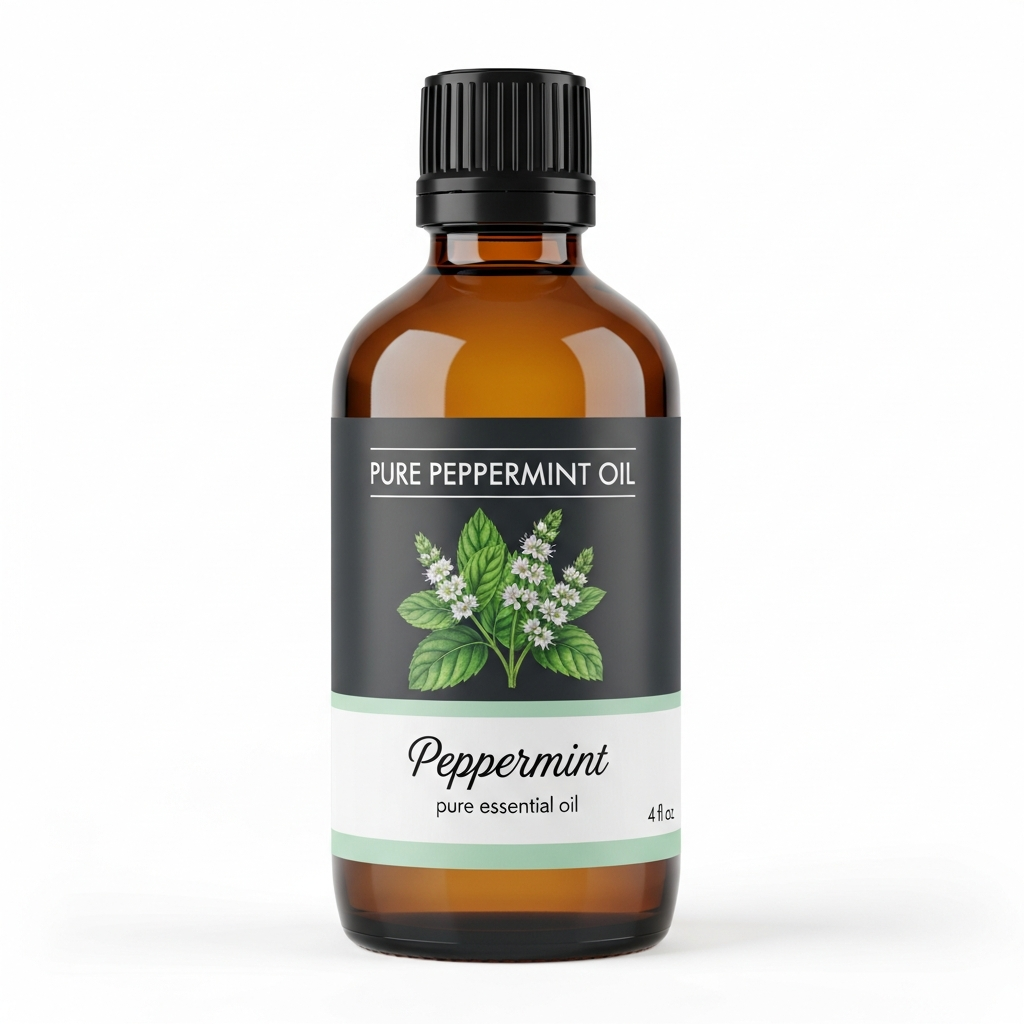
Peppermint Essential Oil
Our own Peppermint Essential Oil, in sizes from 0.5 oz to bulk.
From $10.99
Shop Now →How much oil one candle calls for
A US candle supplier publishes its guidance for fragrance oils this way: start at 1 ounce of oil per pound of wax, about 6% by weight, and stay under the maximum for your particular wax, which ranges from 3-4% for base paraffins to as much as 9-11% for some soy container waxes. It also stresses that loads are percentages by weight, so weigh both wax and oil rather than counting drops (Fragrance Oils FAQ, Lone Star Candle Supply).
Those figures are for fragrance oils, which are a different material from an essential oil, so treat them as a way to frame the numbers and let your wax maker's data sheet have the final word. Here is the arithmetic for one container candle with 300 g of wax. At 6%, the oil weighs 18 g. The specific gravity of peppermint oil is 0.896 to 0.908 (Cosmetic Ingredient Review, 2018), so 18 g is about 20 ml, roughly 400 drops at 20 drops to the milliliter. A 0.5 oz bottle holds about 14.8 ml, so one candle at that load uses more than a bottle. At a more modest 3%, the same candle takes 9 g, close to 10 ml. This is a suggestion worked out on paper, and a low load is a sensible place to start.
Peppermint is a top note, the part of a scent that arrives first and fades first, which is a reason to expect a burning candle to smell different from the cool wax in the jar. Add the oil when the wax has cooled to the temperature on its data sheet, stir well, and pour; hot wax drives off the lively top notes you are paying for. We do not publish a flash point for our oils, so for the heating step ask your wax supplier for guidance.
Candles, flames and December
Before the fun parts, a look at what the National Fire Protection Association reports. From 2014 to 2018, US fire departments responded to an average of 7,610 home fires per year started by candles. December was the peak month, and 12% of December candle fires began with decorations (Ahrens, "Home Candle Fires," NFPA Research, 2020). A candy cane candle surrounded by ribbon, greenery and wrapped gifts is exactly that setup, so give the flame plenty of clear space, never leave it burning in an empty room, and snuff it before bed.
Melts, for a flame-free option
Wax melts in an electric warmer remove the open flame altogether, and a good bowl of them scents a room gently over an evening. The same supplier lists loads of roughly 5-10% for one melt and tart wax and 6-8% for another, so check the data sheet for the wax you choose. The candy cane look comes from dye and a two-stage pour, with the dye maker's directions leading the way. We do not sell wax, wicks, dye or jars; you will find those at a craft or candle supply shop.
Getting ready to pour
Set up before you melt anything. Put out a scale, a thermometer, a heat-safe pouring pitcher, your jars and wicks, and a clean spoon, and cover the table with paper so spills are no trouble. Candle making goes smoothly when nothing has to be fetched mid-pour. Weigh the wax, write down what you weighed, and write the oil amount right beside it. Those numbers are the only way to repeat a candle you liked or adjust one you did not.
Let it set, then smell it twice
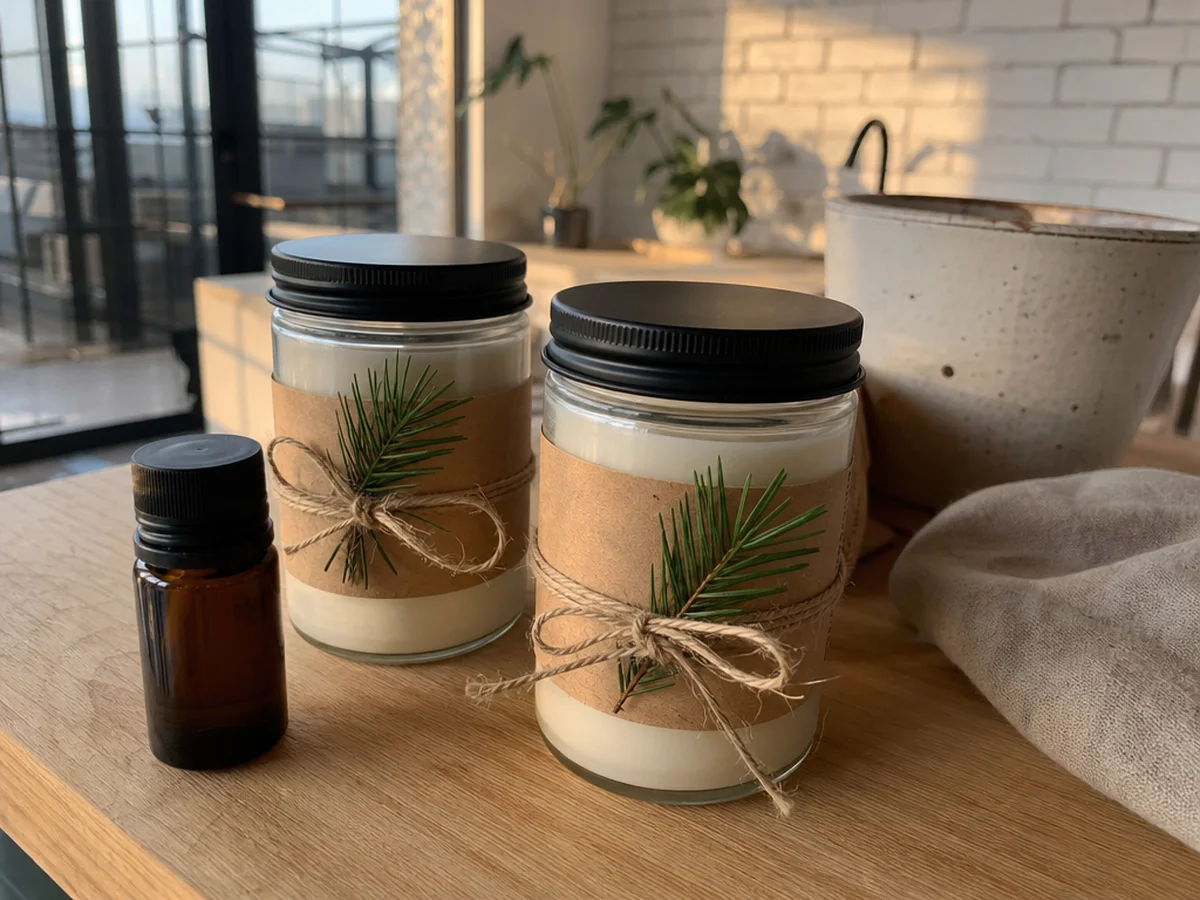
Give a finished candle a few days before you judge the scent, and judge it twice: once cold, with your nose a few inches from the wax, and once lit, from across the room. Peppermint is a top note, so expect the cold smell and the burning smell to differ. Jot down which one you prefer and change the next batch in small steps, weighing each change, so you always know which tweak did what.
Who shares the room
Peppermint's menthol is the reason to think about the people and pets in the room. NCCIH says menthol should not be inhaled by, or applied to the face of, an infant or small child, because it may affect breathing (Peppermint Oil: Usefulness and Safety). Reasoning from that, a nursery is not the place for a peppermint candle or melt. If you share your home with a cat or dog, our posts on cats and dogs go through the poison-control guidance, and a vet is the right person to ask first.
A note on how to talk about your candles: describe the scent, not a benefit. Crisp, cool and minty with a faint candy-like sweetness is how we describe our Mentha piperita, and it is plenty. If you would rather scent a room without wax, how many drops in a diffuser covers the gentler route, and our pairing guide suggests partners for a winter blend.
Weigh the oil, keep the flame clear of the decorations, and your candy cane candles can smell like the holidays from the first pour.
Peppermint Essential Oil
Peppermint Essential Oil from our own shop, in sizes from 0.5 oz to bulk.
From $10.99
Shop Now →Sources & Further Reading
- Lone Star Candle Supply, "Fragrance Oils FAQ: How Much to Use & More"
- Cosmetic Ingredient Review, "Amended Safety Assessment of Mentha piperita (Peppermint)-Derived Ingredients as Used in Cosmetics," 2018
- Marty Ahrens, "Home Candle Fires," NFPA Research, May 2020
- NCCIH, "Peppermint Oil: Usefulness and Safety"