Peppermint vs Eucalyptus Oil: Which Cool Scent?
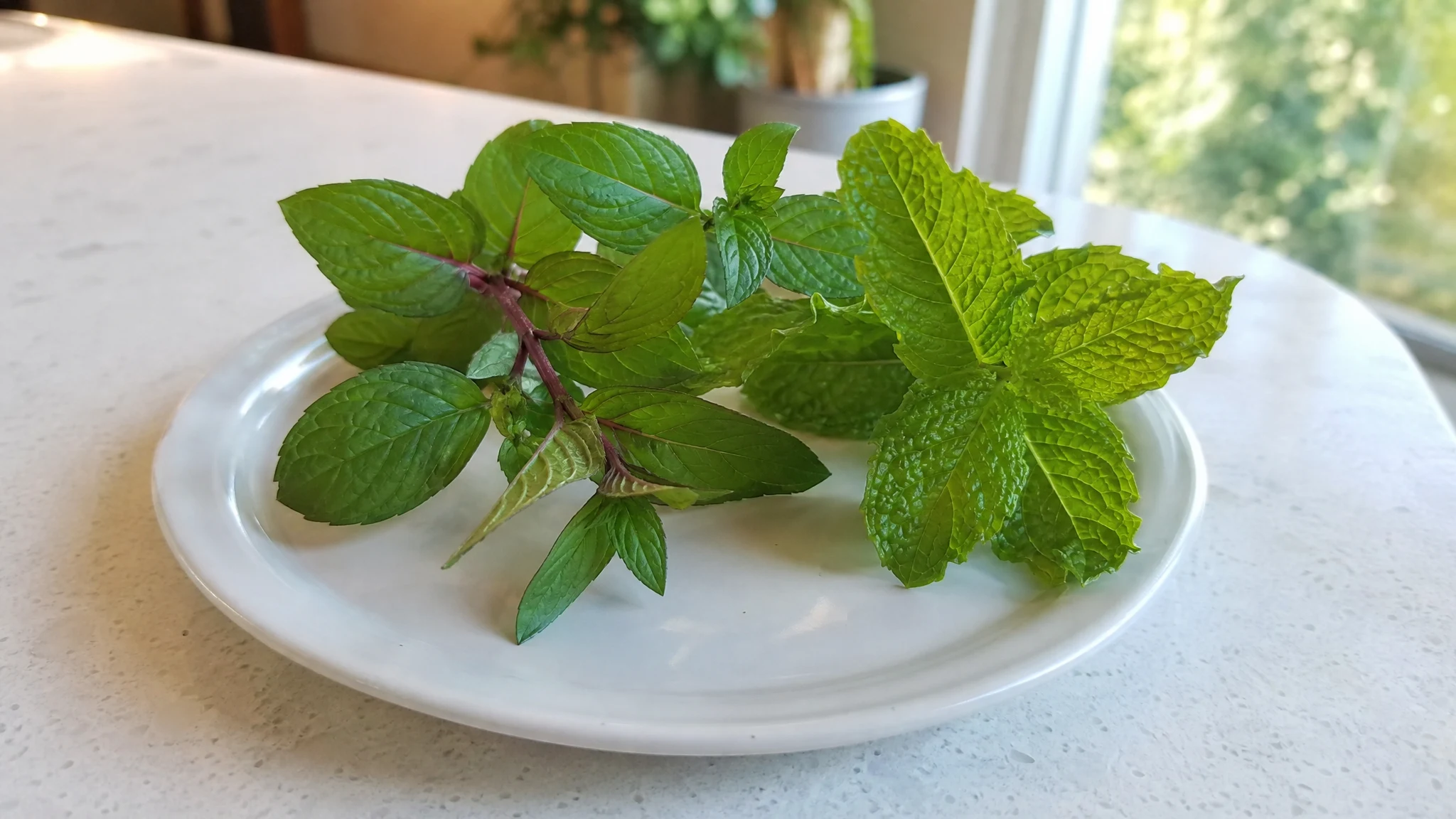
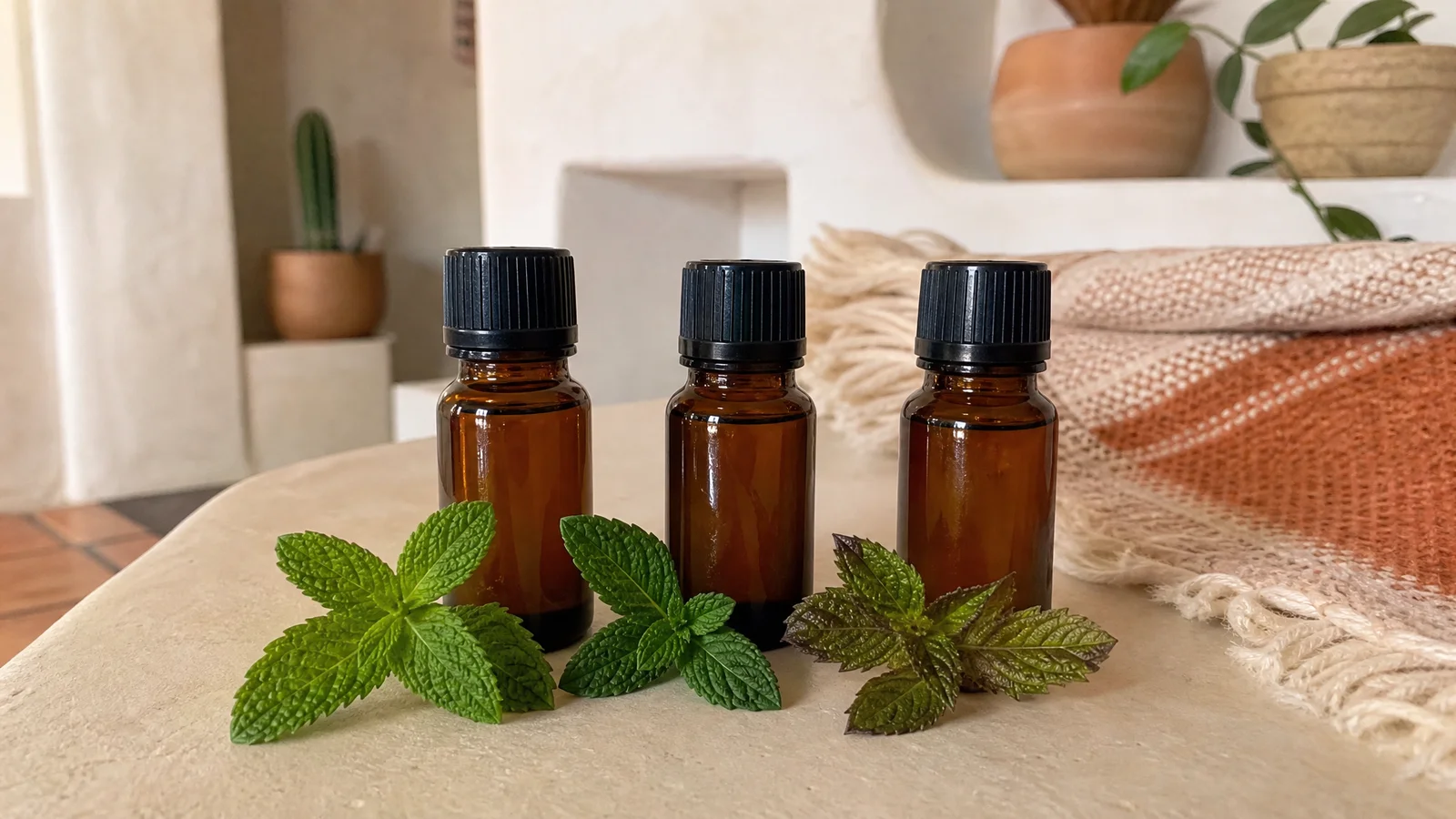
Open two bottles side by side and both say fresh, cool and clean, which is why people mix them up. But one is a mint and one is a gum tree, and the difference shows up the moment you smell them one after the other. Peppermint is sweet and candy-edged; eucalyptus is sharper, more medicinal and closer to a eucalyptus-lozenge than a sweet.
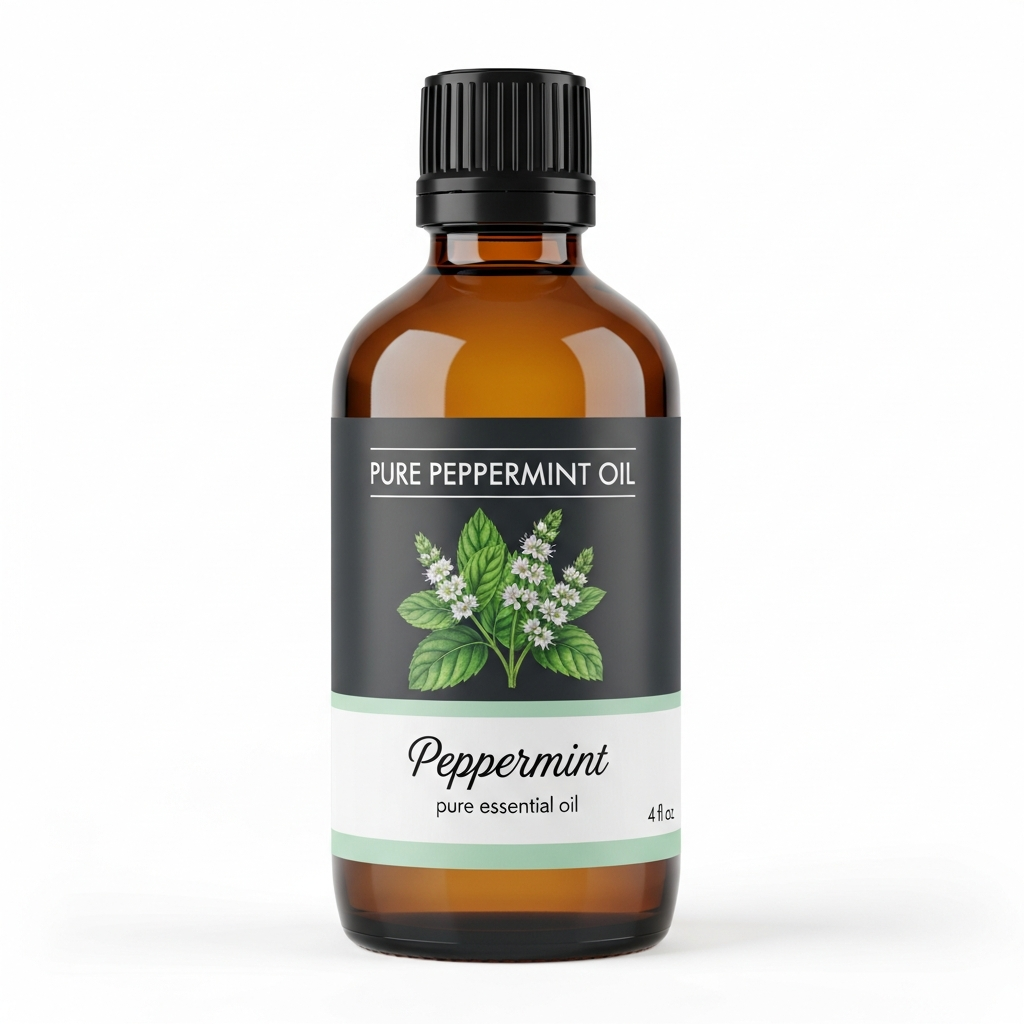
Peppermint Essential Oil
Our own Peppermint Essential Oil, in sizes from 0.5 oz to bulk.
From $10.99
Shop Now →Our short verdict: choose peppermint when you want a cool, mint-sweet note, and eucalyptus when you want a sharp, airy, camphor-like one. Here is why they differ.
Two molecules, two personalities
An essential oil smells the way its dominant molecules smell. In peppermint the headline molecule is menthol. In a European Food Safety Authority assessment of ten peppermint oil batches, menthol averaged about 43% of the oil, with menthone around 22% and a little 1,8-cineole around 4%. The same body assessed eucalyptus (Eucalyptus globulus) oil and found 1,8-cineole averaging about 80% of seven batches, with limonene near 8%.
So eucalyptus is nearly a single-note oil, built on cineole, and peppermint is a layered oil built on menthol and menthone. That is the reason peppermint reads as sweet and minty while eucalyptus reads as clear and sharp.
Why both feel cool
Menthol feels cold because it switches on a cold-sensing channel in our nerve endings. A 2002 paper in Cell, "A TRP channel that senses cold stimuli and menthol," described that channel. The cool in peppermint is a real sensation, then, and not only a smell. We sell an external aroma and cosmetic oil, so we describe that sensation and make no claim about what it does for you. Eucalyptus smells cool more by association than by feel, and for most people it is the scent rather than the tingle that does the work.
How to choose
| You want | Reach for |
|---|---|
| A sweet, minty note in soap, lip balm or a body butter | Peppermint |
| A sharp, airy room scent | Eucalyptus |
| Something that reads as bathroom or spa | Either, on its own or together |
| A very light touch in a leave-on product | Peppermint at the lower end of the range |
Peppermint is the stronger of the two on skin. Our guidance is to dilute to 0.5% to 2% in a carrier oil and patch test first; for peppermint we would start at the low end, around 0.5%, which is about 3 drops per ounce of carrier. Keep it away from the eyes, and do not use it near the face of an infant or young child, where concentrated menthol can affect breathing. The EFSA assessment lists eucalyptus oil as an irritant to skin, eyes and the respiratory tract and a skin sensitiser, so it deserves the same careful dilution and patch test. Our post on diluting peppermint oil does the percentages in full.
Using them together
The two are natural partners, because the sweet mint rounds off the sharp edges of eucalyptus. If you want a worked diffuser example, our peppermint, eucalyptus and lemon blend post has the arithmetic, and blending with peppermint oil covers other partners. Our own shop lists eucalyptus among the oils that blend well with peppermint.
We only sell the peppermint here, in Mentha piperita and Mentha arvensis forms, so you would find eucalyptus oil at a craft supply shop or pharmacy. If you are weighing the two mint species, peppermint versus cornmint explains how they differ.
A note on animals and little ones
Both oils are strong enough that households with pets or small children should keep them stored out of reach and ventilate rooms. If an animal is exposed to either oil, call a veterinarian or an animal poison control line right away; our post on peppermint oil and cats goes through the reasoning.
Whichever you pick, start with less than you think you need. Both are much louder in the bottle than they are in a finished room, and it is easier to add a drop than to take one away.
Peppermint Essential Oil
Peppermint Essential Oil from our own shop, in sizes from 0.5 oz to bulk.
From $10.99
Shop Now →Sources & Further Reading
- Safety and efficacy of a feed additive consisting of an essential oil derived from the aerial parts of Mentha x piperita L. (peppermint oil) for use in all animal species (FEFANA asbl) (EFSA Journal, 2025)
- Safety and efficacy of a feed additive consisting of an essential oil derived from Eucalyptus globulus Labill. (eucalyptus oil) for all animal species (FEFANA asbl) (EFSA Journal, 2023)
- A TRP channel that senses cold stimuli and menthol (Cell, 2002)