Peppermint Eucalyptus Lemon Diffuser Blend, Explained
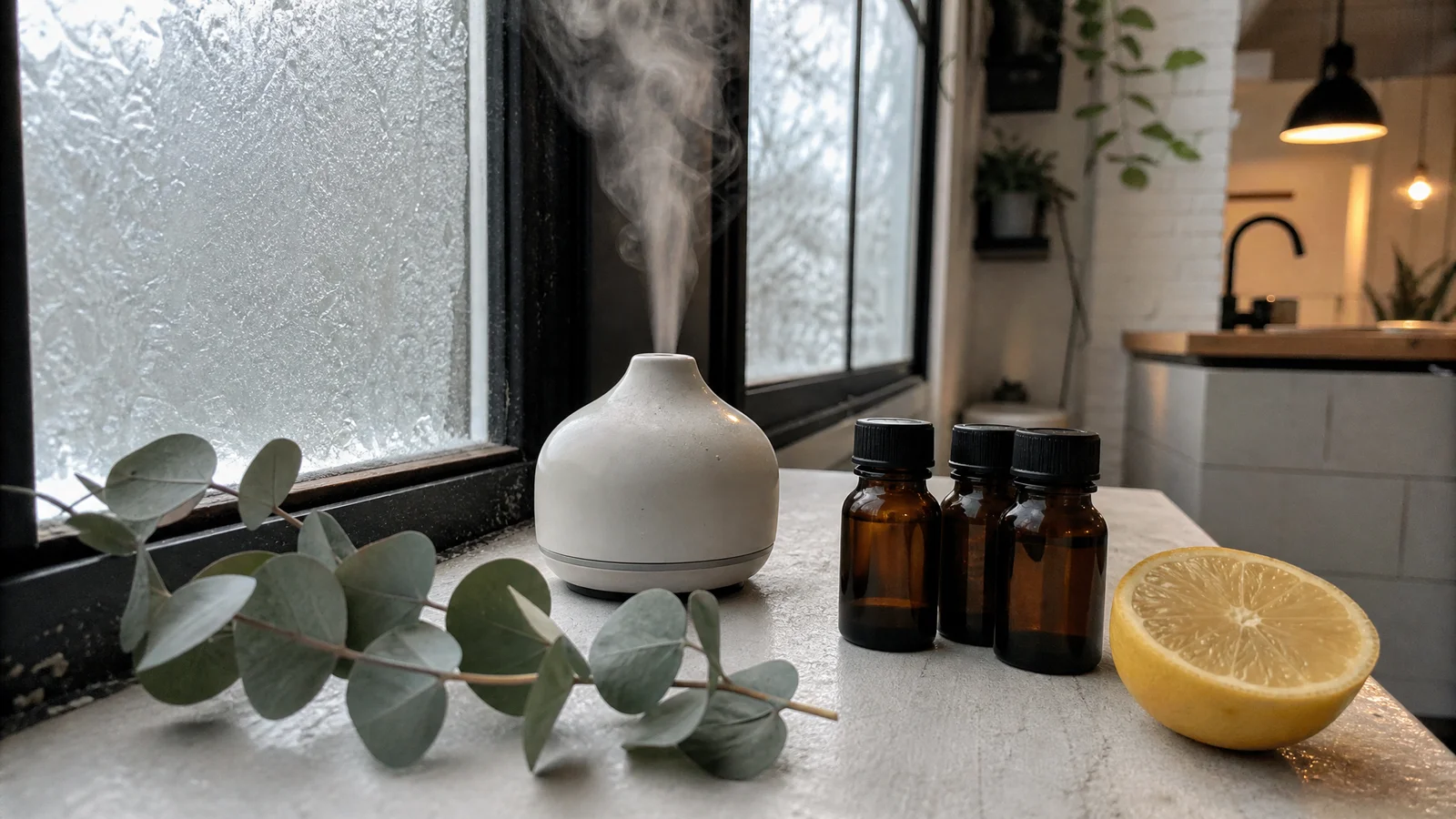
Peppermint, eucalyptus and lemon make one of the most refreshing trios you can put in a diffuser: cool and minty, clean and camphor-bright, with a squeeze of citrus on top. It is the sort of blend that smells like opening a window in winter. Because we sell peppermint and not the other two, this is a plan for the blend rather than a product, and the fun part is seeing what each oil brings.
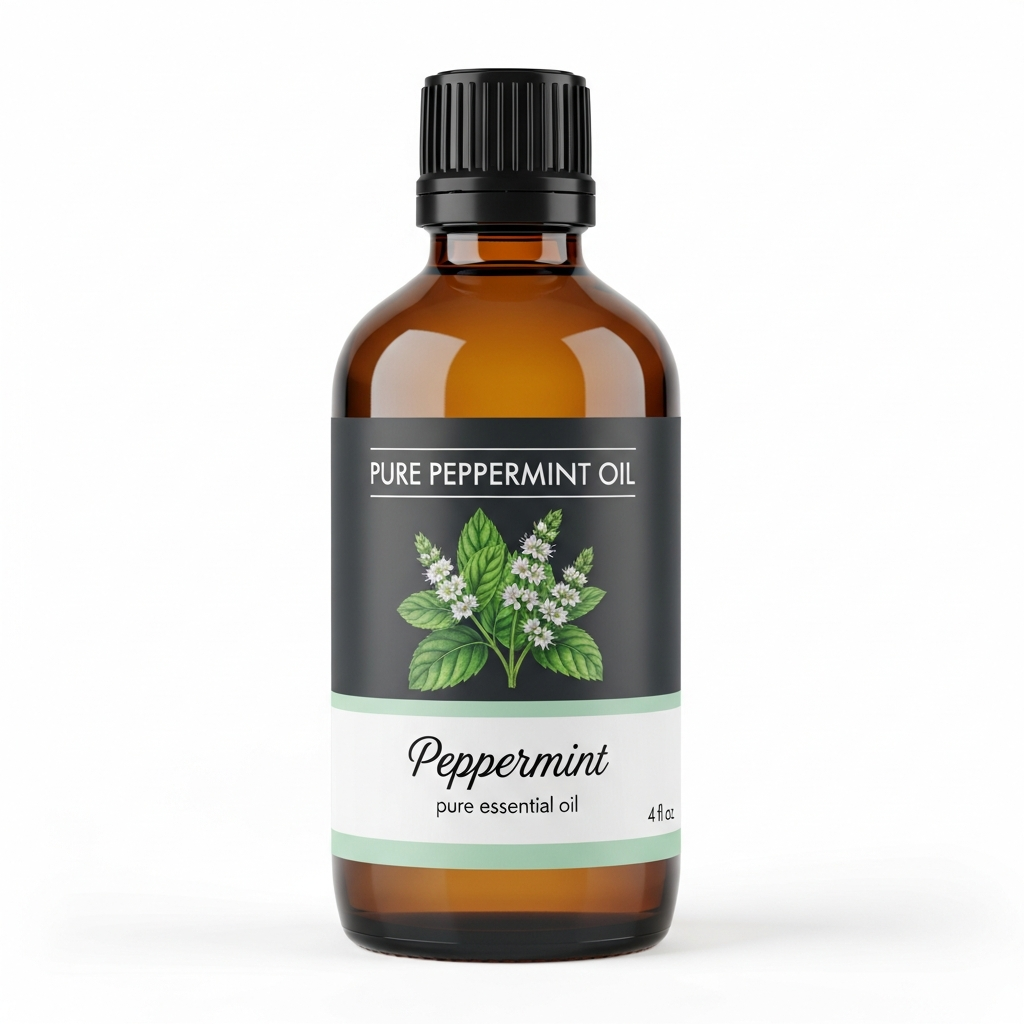
Peppermint Essential Oil
Our own Peppermint Essential Oil, in sizes from 0.5 oz to bulk.
From $10.99
Shop Now →What each oil contributes
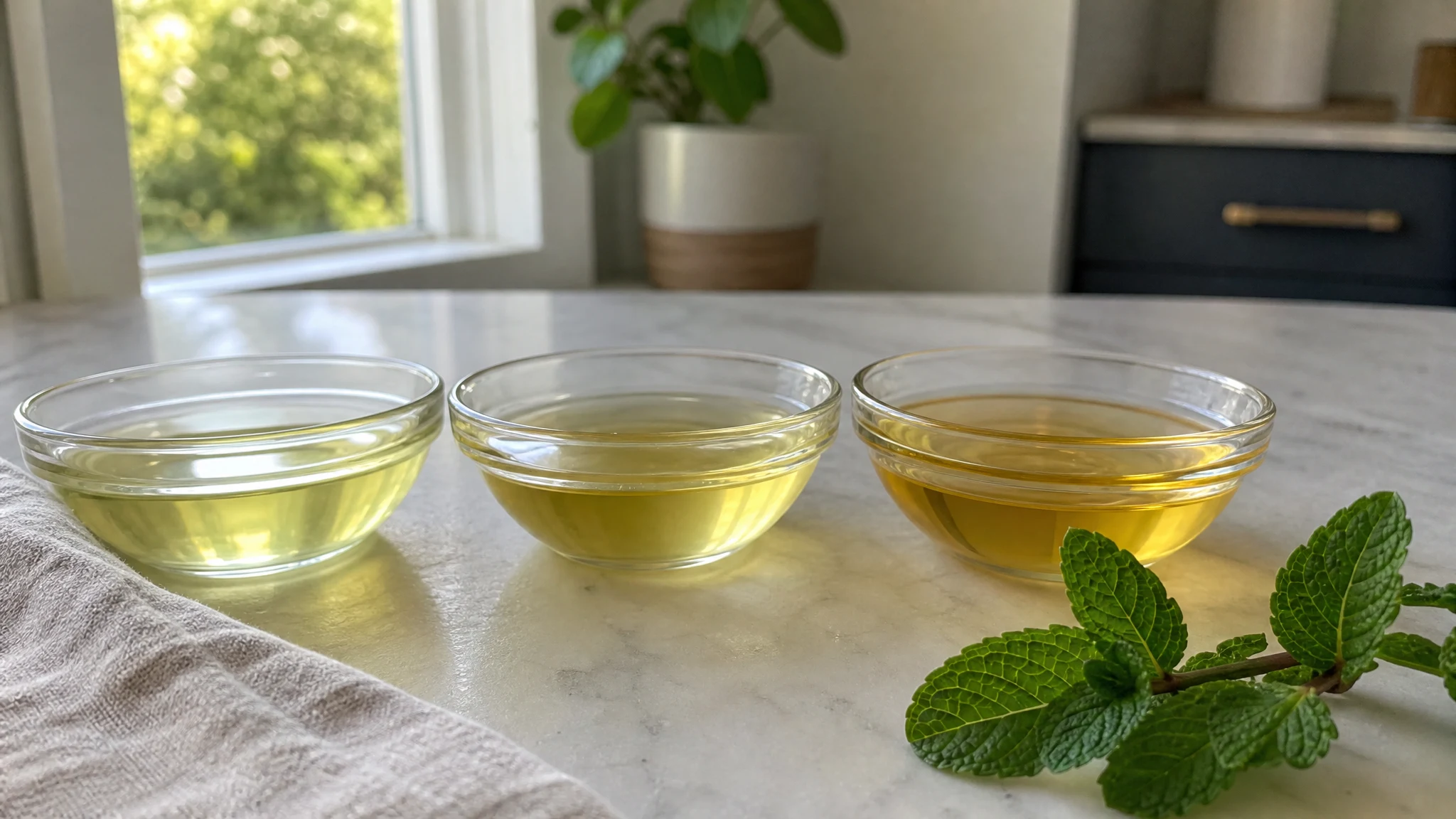
The European Food Safety Authority has published batch data for all three, which gives us a picture of what typical commercial oils are made of. Peppermint oil from ten batches averaged about 43% menthol and 22% menthone (EFSA, peppermint oil, 2025). Eucalyptus globulus oil is roughly four-fifths a single compound, 1,8-cineole (also called eucalyptol), averaging about 80% (EFSA, eucalyptus oil, 2023). Expressed lemon oil is mostly limonene, with a specification of 60 to 73% (EFSA, lemon and lime oil, 2021). These describe typical oils, not any particular bottle, and the eucalyptus figures hold for E. globulus specifically, so check the species on your label.
In scent terms, that means menthol brings the cool, cineole brings the sharp, airy freshness and limonene brings the bright citrus. Menthol is a forceful note, so a little peppermint goes a long way in a blend.
A starting ratio worked out on paper
As a suggestion, not a tested formula: one part peppermint, two parts eucalyptus and one part lemon by volume. In a 5 ml stock bottle, at about 20 drops to the milliliter, that is roughly 25 drops of peppermint, 50 of eucalyptus and 25 of lemon (droppers vary, so a small scale is better still). Treating the oils as similar in density, the mixture would be about 11% menthol, about 41% cineole and about 19 to 22% limonene. In other words, it would smell mostly of eucalyptus, then citrus, with peppermint as the cool signature in the middle. If you want the blend to read as peppermint first, raise the peppermint share and trim the eucalyptus. Our pairing guide suggests other partners, among them eucalyptus and sweet orange, which we list as good matches for our Mentha piperita.
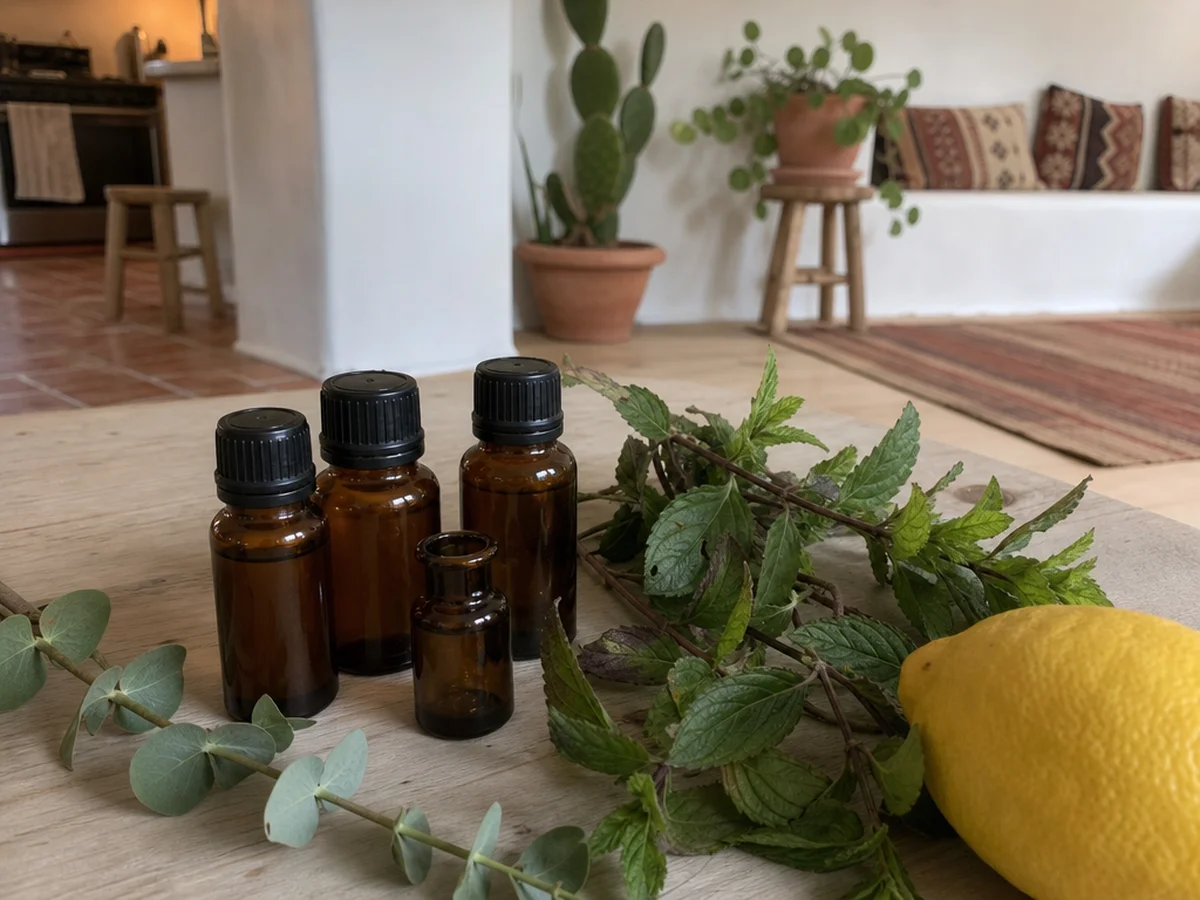
You will find eucalyptus and lemon oils at a craft or aromatherapy supplier, since we do not sell them.
Building it by nose
The best way to put this blend together is slowly. Start with the eucalyptus in a clean small bottle, add the lemon, and only then bring in the peppermint a drop at a time, capping and sniffing between additions. Peppermint is the oil that takes over, so it makes sense to go last. Between sniffs, breathe in the crook of your elbow to reset your nose, because after a few sniffs everything starts to smell the same. Write the drop counts down as you go so the version you like best can be made again.
Using it in a diffuser
Keep it modest. In a chamber study of ultrasonic diffusers running lemon, lavender, eucalyptus and grapeseed oils, the diffusers released measurable amounts of the oils' main compounds in 15 minutes, along with fine particles, and filling the eucalyptus diffuser with tap water instead of deionized water raised particle emissions fivefold (Schwartz-Narbonne, Du and Siegel, Indoor Air, 2021). The practical takeaway is easy: use the water your diffuser's manual specifies, run it in short sessions, and keep the room ventilated. A stronger blend is not a better one. Our guide to peppermint drops in a diffuser has amounts for the peppermint alone, and the same small-amount thinking applies here.
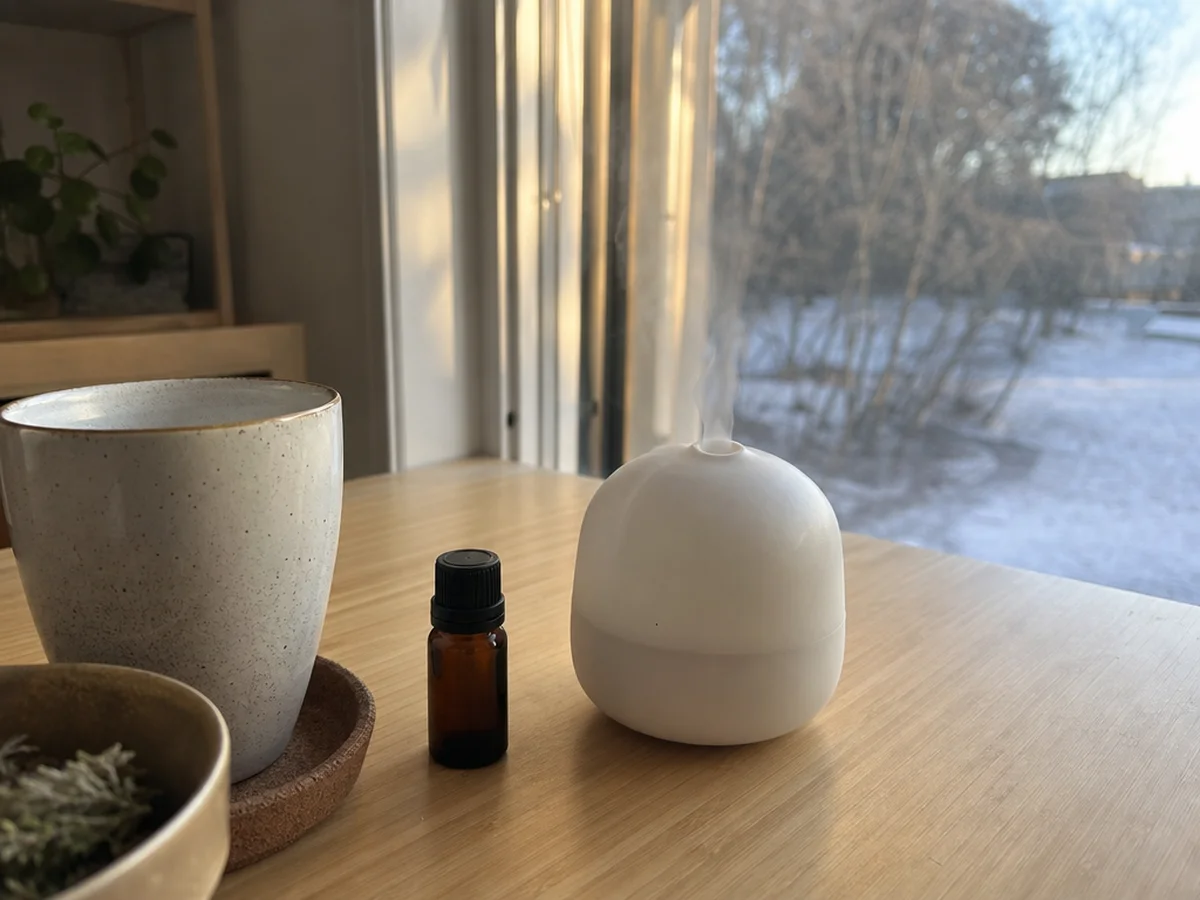
On what the scent does for your mood or focus, we would rather stay honest. The same research group measured cognitive performance after lemon oil diffusing and after unscented grapeseed oil diffusing and saw similar responses (Du et al., Indoor Air, 2022), so we describe this blend by its scent: crisp, cool and bright. Our piece on peppermint and focus goes through what the small studies measured.
Dress it for the season
The blend suits a cold, bright morning, and it is easy to adjust. In winter, give the lemon a slightly larger share for a sunnier, rounder top. In summer, let the peppermint lead for a cooler, sharper edge. Label the stock bottle with the date and the drop counts, and keep it capped, upright and out of the sun, the same way you would keep the oils themselves.
It also helps to decide where the blend will run before you mix it. A kitchen or a hallway with good airflow suits a bright, sharp mix like this one far better than a small closed room, where the same drops will smell much heavier. Start with fewer drops than you think you need, and add one more only after the room has had a few minutes to show you what it can take.
Who is in the room
Choose the room with the household in mind. NCCIH advises that menthol should not be inhaled by an infant or small child, so a nursery is not the place for this blend (Peppermint Oil: Usefulness and Safety); our post on peppermint oil and children has more. With cats or dogs, ask your vet before diffusing, and see our posts on cats and dogs. This is a diffuser blend only. Lemon oil is cold-pressed and carries furocoumarins that EFSA flags as potentially phototoxic, so we would not turn this into a skin oil.
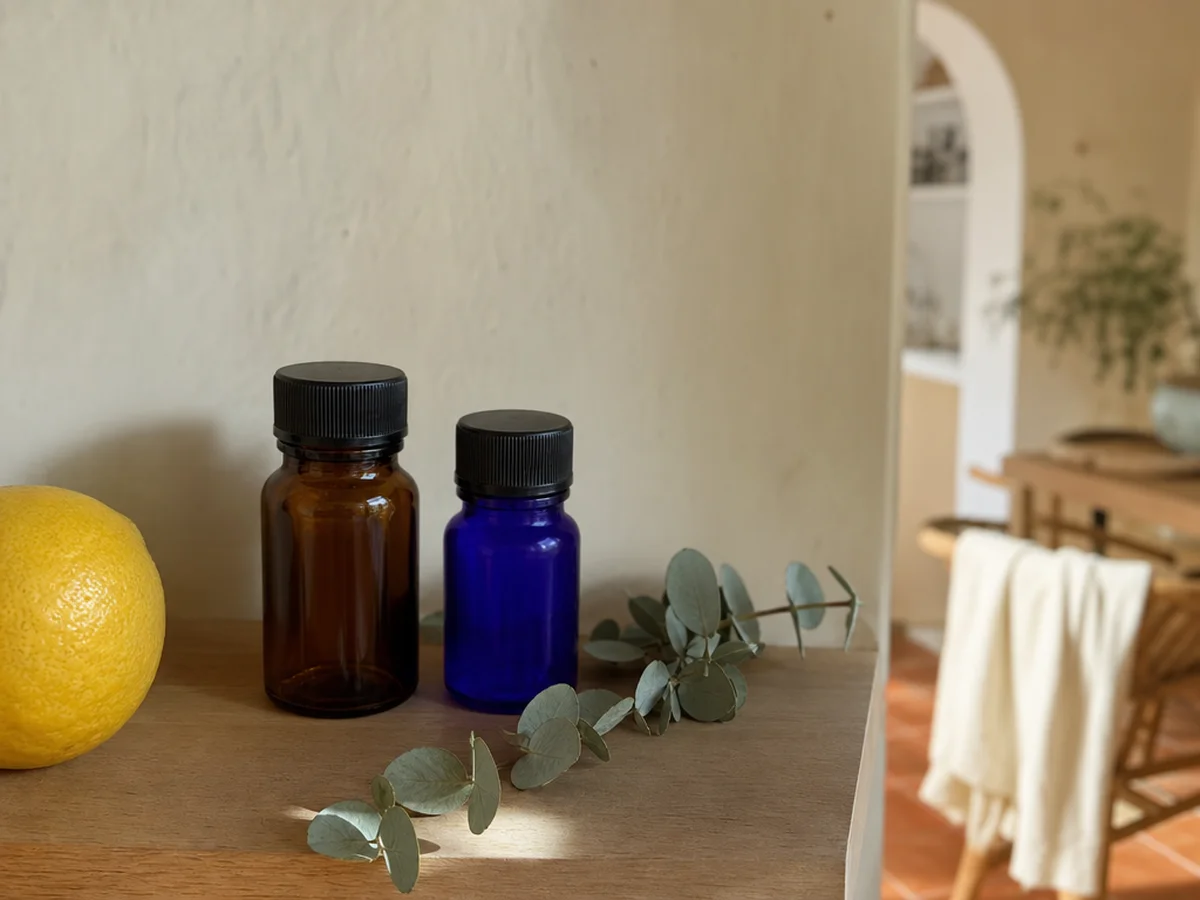
A cold morning, a quiet kitchen and a small diffuser are all this blend needs to feel like a fresh start.
Peppermint Essential Oil
Peppermint Essential Oil from our own shop, in sizes from 0.5 oz to bulk.
From $10.99
Shop Now →Sources & Further Reading
- EFSA FEEDAP Panel, "Safety and efficacy of a feed additive consisting of an essential oil derived from the aerial parts of Mentha x piperita L. (peppermint oil) for use in all animal species (FEFANA asbl)," EFSA Journal, 2025
- EFSA FEEDAP Panel, "Safety and efficacy of a feed additive consisting of an essential oil derived from Eucalyptus globulus Labill. (eucalyptus oil) for all animal species (FEFANA asbl)," EFSA Journal, 2023
- EFSA FEEDAP Panel, "Safety and efficacy of feed additives consisting of expressed lemon oil and its fractions from Citrus limon (L.) Osbeck and of lime oil from Citrus aurantiifolia (Christm.) Swingle for use in all animal species (FEFANA asbl)," EFSA Journal, 2021
- Schwartz-Narbonne, Du and Siegel, "Volatile organic compound and particulate matter emissions from an ultrasonic essential oil diffuser," Indoor Air, 2021
- Du et al., "The impact of emissions from an essential oil diffuser on cognitive performance," Indoor Air, 2022
- NCCIH, "Peppermint Oil: Usefulness and Safety"