Peppermint Oil Benefits: What the Research Covers
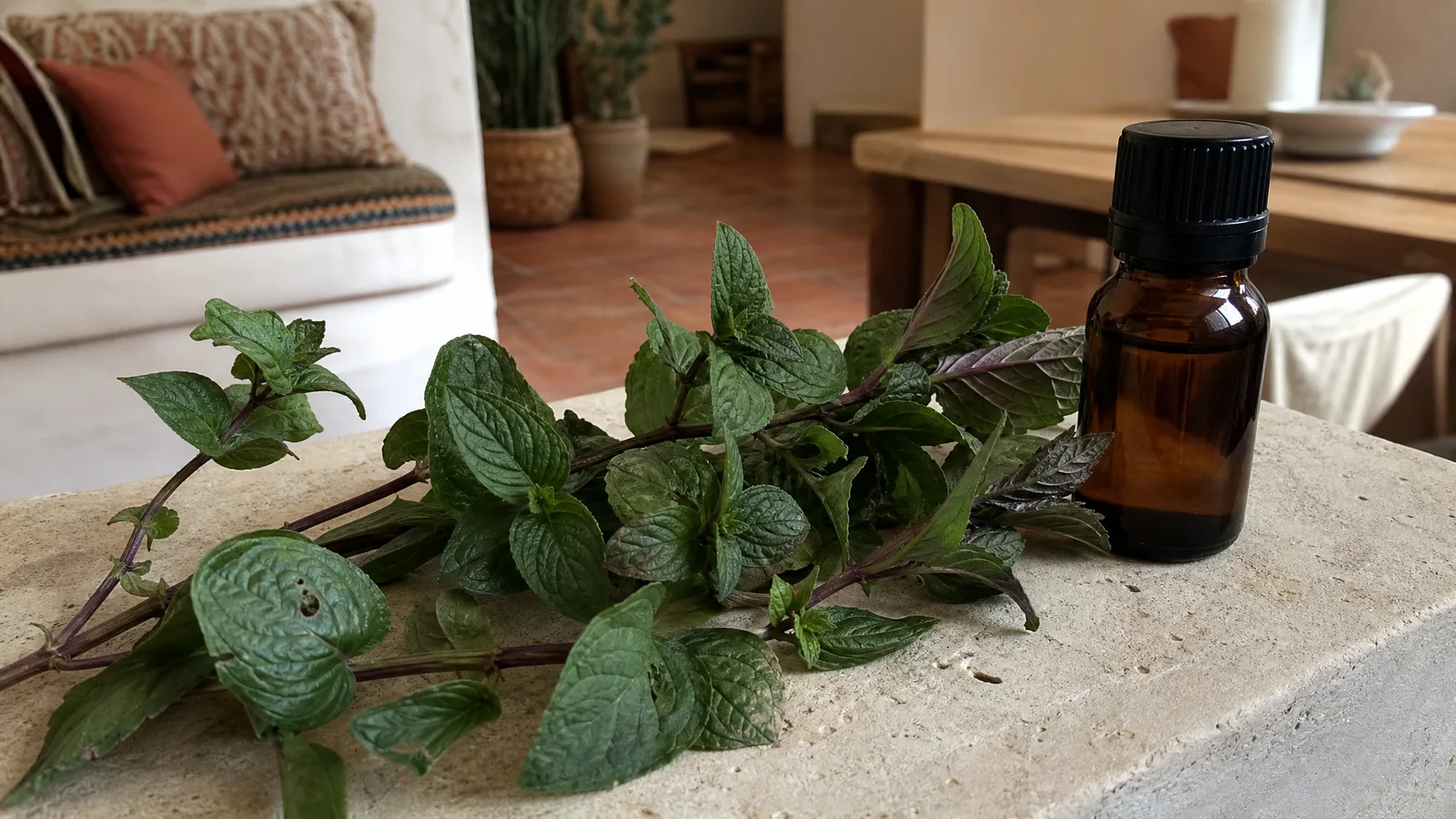
Nobody has to be convinced that peppermint feels like something. Open a bottle and the scent is crisp and cool, with a faint candy sweetness underneath, and a drop on a diluted skin blend gives a tingle of cold with no ice involved. The more interesting question is what else people say peppermint oil does, because the answer depends heavily on which peppermint oil product is being talked about.
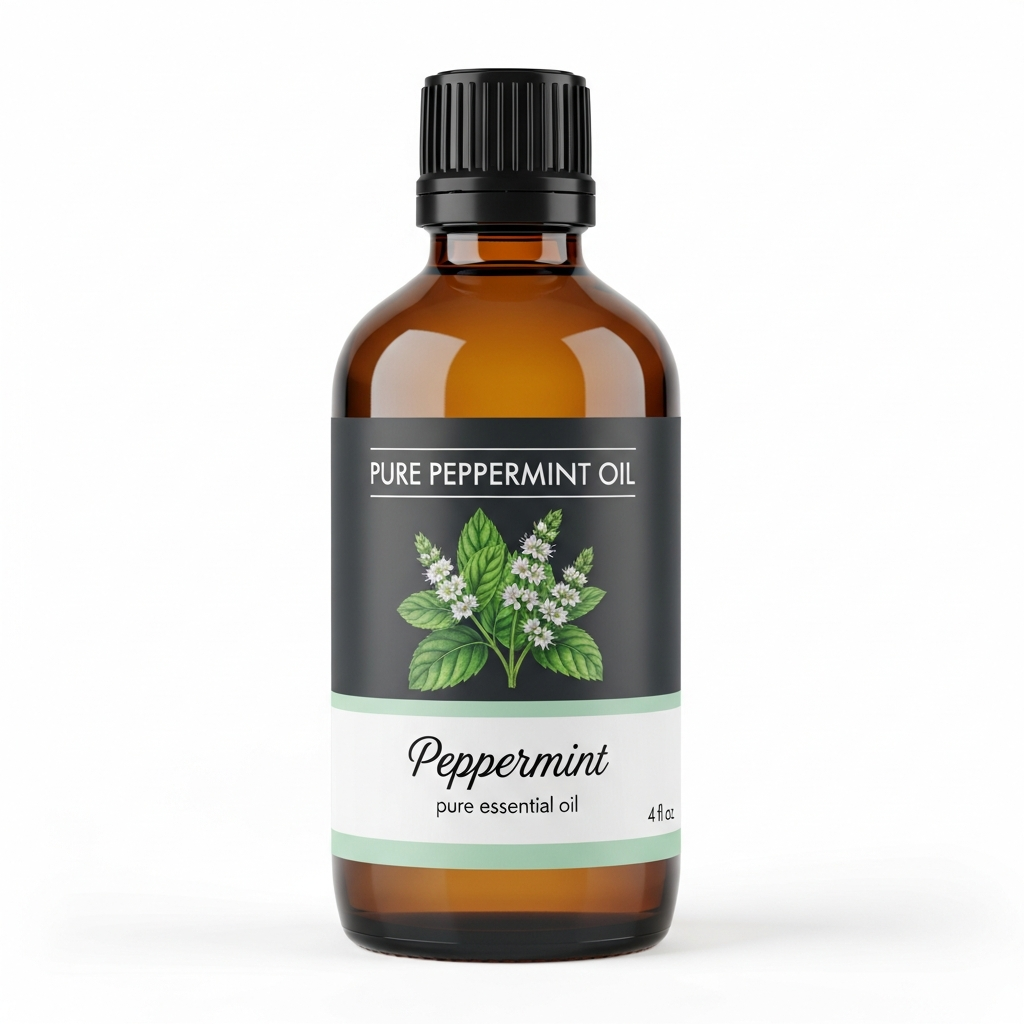
Peppermint Essential Oil
Our own Peppermint Essential Oil, in sizes from 0.5 oz to bulk.
From $10.99
Shop Now →The cooling is real, and it has an explanation
The chill you feel from peppermint is a sensation, and a well-understood one. In 2002, David Julius and colleagues identified a receptor in sensory neurons that responds to both menthol and cool-to-cold temperatures, which is why menthol feels cold without making anything colder (McKemy, Neuhausser and Julius, Nature). It does not change skin temperature; it makes your nerves report cool. That is a good reason to love the oil in a foot soak or a diluted body oil, and our menthol chemistry article goes deeper. It is also a good reason to use less than you think you need.
The best-studied form is a capsule
When people say research supports peppermint oil, they are usually thinking of irritable bowel syndrome. A 2019 meta-analysis pooled 12 randomised trials with 835 patients and found peppermint oil beat placebo for overall symptoms and abdominal pain (Alammar and colleagues, BMC Complementary and Alternative Medicine), and a 2022 update of 10 trials with 1,030 patients agreed while noting more side effects and very low quality of evidence (Ingrosso and colleagues, Alimentary Pharmacology and Therapeutics). NCCIH describes these as enteric-coated capsules taken by adults.
That is a very different thing from a bottle of neat oil. Capsules are designed to release after the stomach, in a measured dose, under medical guidance. We sell our oils for aroma and cosmetic use, we say never to take them internally, and we make no health claim for them. Anyone with digestive symptoms should see a doctor, and a pharmacist can talk through products made for the purpose. Our ingestion article and IBS article cover that ground.
Headaches, nausea and other claims, in their real settings
A German review in the journal Schmerz reports that topical peppermint oil beat placebo in controlled studies of tension-type headache, and that 10% solutions of peppermint oil in ethanol are licensed in Germany for adults and children above 6 (Göbel and colleagues, 2016). Put 10% beside our own dilution guidance for skin, which tops out at 2%, and you can see that the studied product is a standardised solution at five times that strength, so it is not a blueprint for a home blend. NCCIH calls the topical headache evidence limited.
NCCIH also cites a 2024 review of 10 aromatherapy studies, four of them on peppermint oil with 290 participants, in which inhaled peppermint oil was particularly successful against nausea and vomiting in patients receiving chemotherapy. That is a specific group of patients in a clinical setting, and anyone with persistent nausea needs a physician. Our headache article and nausea article set out the details.
On focus and alertness, a 2025 review of mint essential oils in Nutrients called the human cognition data particularly compelling while saying large placebo-controlled trials are still needed (Yu and colleagues). Our focus article looks at that more closely.
Cells in a dish
Many of the headline claims for peppermint oil, including activity against microbes and cancer cells, come from laboratory work on cells and cultures. The same Nutrients review says the evidence against cancer cells from in vitro studies is robust but that virtually no human trials exist, and that antimicrobial and respiratory claims need dedicated human trials. A result in a dish is a reason for scientists to keep looking and not a reason to expect an effect from an essential oil at home. NCCIH sums up the overall picture simply: there is not enough evidence to reach conclusions about uses beyond the few studied ones.
Why it still wins people over
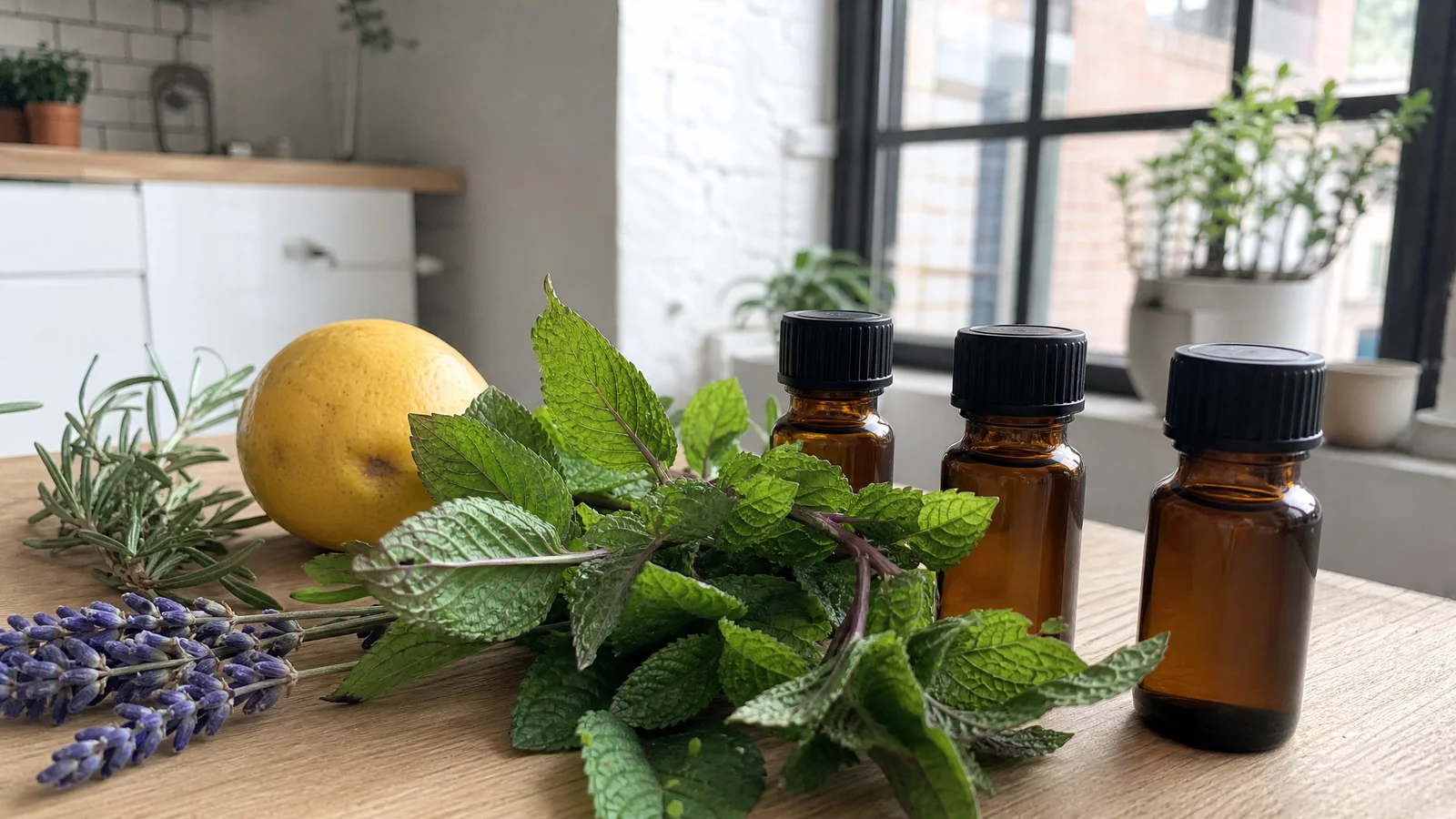
It is easy to spend so long on studies that the simple pleasure gets lost. Peppermint is one of those scents people recognise at once, tied up with candy canes, winter mornings and fresh toothpaste. Open the bottle in a quiet moment and you will probably catch yourself smiling at how bright it is. That reaction is not a benefit claim. It is just what a good aroma does, and it is reason enough to keep a bottle on the shelf.
So what are the benefits of our oils?
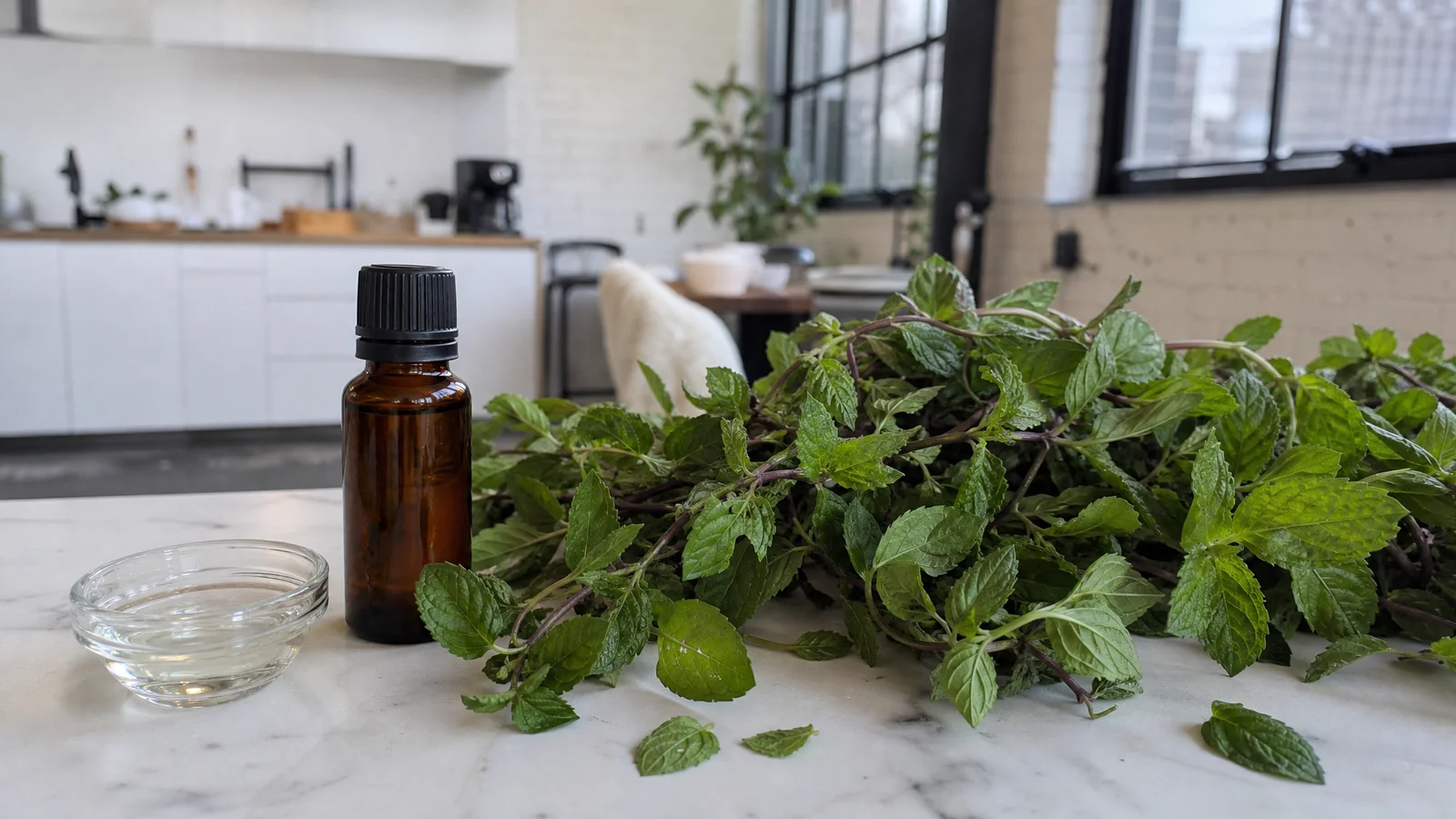
The straightforward ones are sensory. We describe our Mentha piperita as crisp, cool and minty with a faint sweetness, and our Mentha arvensis (cornmint) as bold and cooling with a strong menthol backbone. They are lovely in a diffuser, in a diluted foot soak or body oil, and in soaps, candles and lip balms that you make yourself. We suggest diluting to 0.5% to 2% in a carrier oil with a patch test, and keeping it away from eyes, children and pets. NCCIH advises against putting peppermint oil on the face of an infant or small child.
How to enjoy it well
Start with the scent alone: one drop on a paper strip, held a few inches away. When you move on to a diluted blend, begin at the low end of the range and live with it for a day before you change anything. Strong things are easy to overdo, and with peppermint the pleasure is in the lightness.
That is plenty to enjoy. Appreciate the scent and the cool feeling, treat the research as an interesting story about other products, and ask a professional about anything medical.
Peppermint Essential Oil
Peppermint Essential Oil from our own shop, in sizes from 0.5 oz to bulk.
From $10.99
Shop Now →Sources & Further Reading
- McKemy DD, Neuhausser WM, Julius D. Identification of a cold receptor reveals a general role for TRP channels in thermosensation. Nature, 2002.
- Alammar N, et al. The impact of peppermint oil on the irritable bowel syndrome: a meta-analysis of the pooled clinical data. BMC Complementary and Alternative Medicine, 2019.
- Ingrosso MR, et al. Systematic review and meta-analysis: efficacy of peppermint oil in irritable bowel syndrome. Alimentary Pharmacology and Therapeutics, 2022.
- Göbel H, et al. Peppermint oil in the acute treatment of tension-type headache (German-language review, Schmerz, 2016).
- Yu Y, Ma Y, Ouyang Z, Huang L. Mentha Essential Oils: Unraveling Chemotype-Dependent Biosynthesis and Assessing Evidence for Health-Promoting Activities. Nutrients, 2025.
- NCCIH. Peppermint Oil: Usefulness and Safety.