Peppermint Oil Uses: What Is Proven and What Is Just Fun
Search for peppermint oil uses and you will meet lists of twenty-five, thirty, even fifty ideas, all delivered with the same confidence. Look closer and they are not the same kind of idea at all. A few have been studied in people, a few have shown something in a lab dish or an animal, and most are simply things that smell wonderful. Sorting them out makes peppermint more enjoyable, not less.
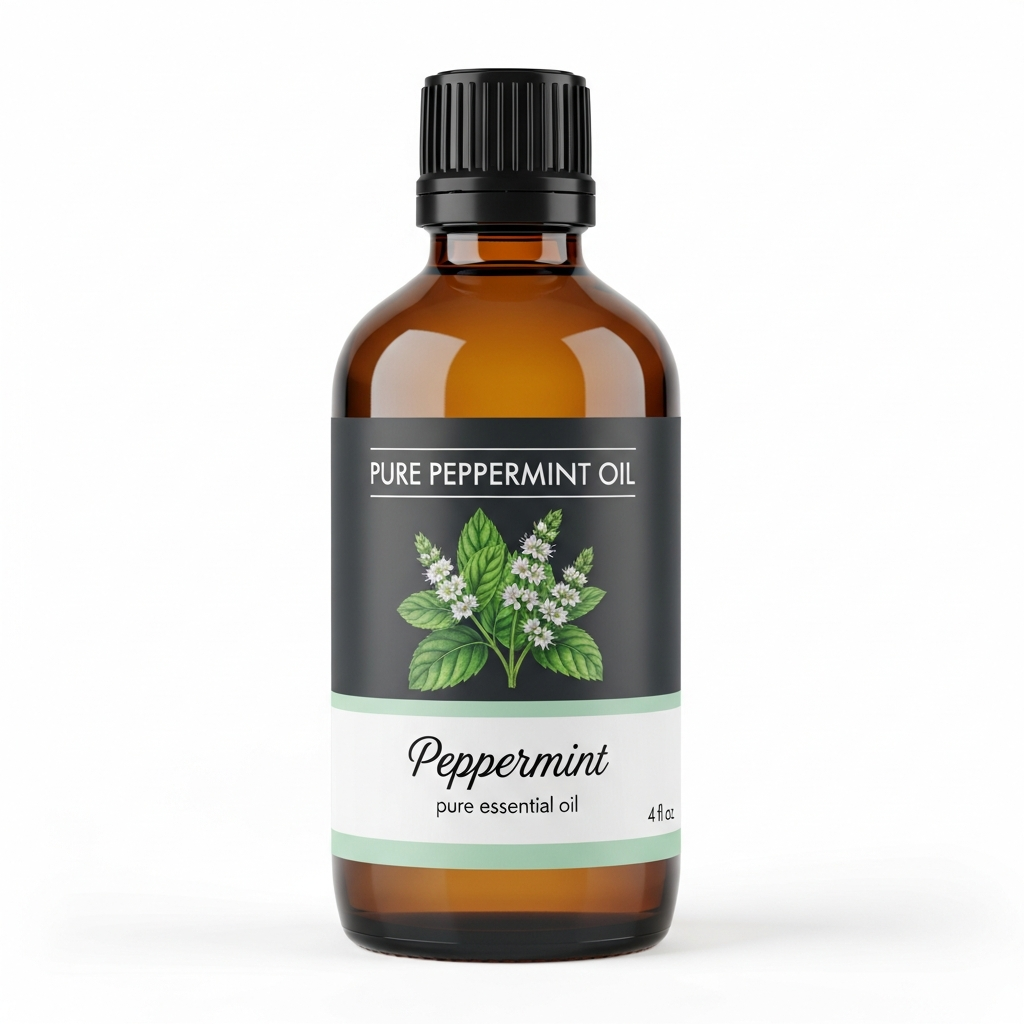
Peppermint Essential Oil
Our own Peppermint Essential Oil, in sizes from 0.5 oz to bulk.
From $10.99
Shop Now →The few with human research
NCCIH summarizes the research on peppermint oil as small, and focused mainly on irritable bowel syndrome. The best-known example is a 2019 meta-analysis of 12 randomized trials with 835 patients, which found peppermint oil capsules outperformed placebo for symptoms of IBS (Alammar et al., BMC Complement Altern Med, 2019). The detail that matters is the product: a manufactured capsule, not an essential oil from a bottle, and our oils carry the instruction never to be taken internally. We go through the trials in the studied capsule is not a bottle.
NCCIH also describes limited evidence for topical peppermint oil and tension headaches, and a 2024 review of aromatherapy studies including peppermint in people having chemotherapy. Our posts on headaches and nausea report what those trials measured. We sell cosmetic-use aromatic oils and make no medical claim for them, and anything new, severe or unusual belongs with a doctor, not a diffuser. NCCIH's own summary is that there is not enough evidence to reach conclusions about other conditions, which is why so many items on those long lists have no citation behind them.
The ones with lab or animal work behind them
This is where the internet gets excited. Peppermint has been tried on pests: in two laboratory trials, 1% peppermint oil in hexane deterred Argentine ants from a moist shelter better than several home remedies (Holloway et al., Insects, 2024). That is one ant species in a dish with a solvent, which is a long way from a few drops on a cotton ball in the pantry. We sell no pest products, and our pieces on mice and on mosquitoes show the same pattern of promising lab results and caution outside it.
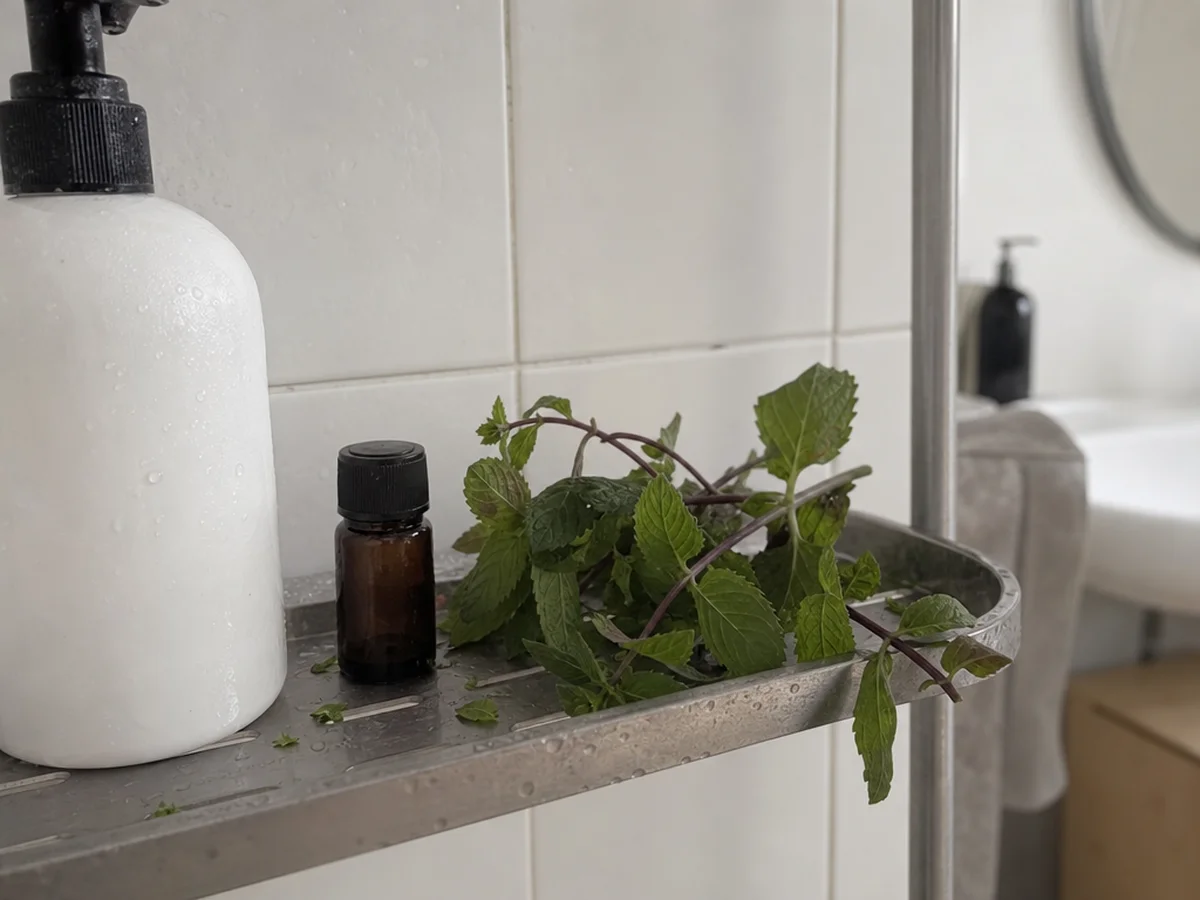
Peppermint has also been tested on mice for hair, and we cover how to read that sort of study in our peppermint and rosemary comparison rather than repeating it here. A mouse result is not a promise about people.
The uses we simply love
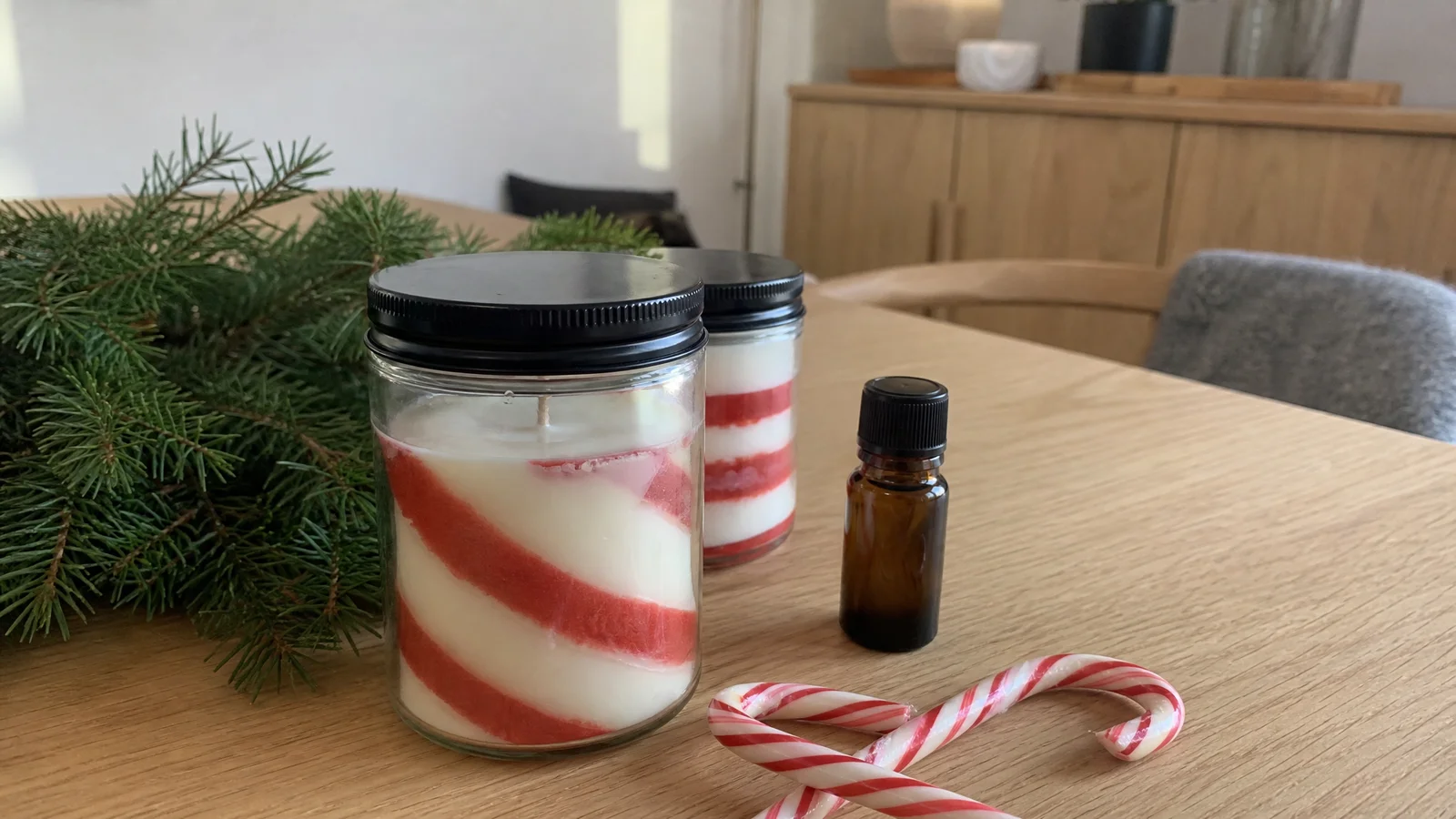
Here is the good news: most of what people do with peppermint oil is aroma and craft, and that needs no clinical trial to justify. We describe our Mentha piperita as crisp, cool and minty with a faint candy-like sweetness, and our Mentha arvensis (cornmint) as bold and sharply minty with a strong menthol backbone. Diffuse a little for a clean, wintery room; add it to cold-process soap, candles or lip balms you make yourself; or blend it into a diluted foot soak or body oil. Our guide to peppermint drops in a diffuser covers amounts.
We would not claim any of these makes you more alert. The one controlled study of a diffuser's effect on thinking that we have read found that lemon oil and unscented grapeseed oil gave similar results (Du et al., Indoor Air, 2022), though it did not test peppermint. Liking a scent is reason enough.
Starting small with the fun ones
If the long lists feel like too much, pick one project and enjoy it properly. Open the bottle and take a slow breath first; you'll notice the cold arrives before the sweetness does. Then try it in the one place that seems most appealing, whether that is a few drops in a diffuser on a winter afternoon or a first small batch of something you make by hand.
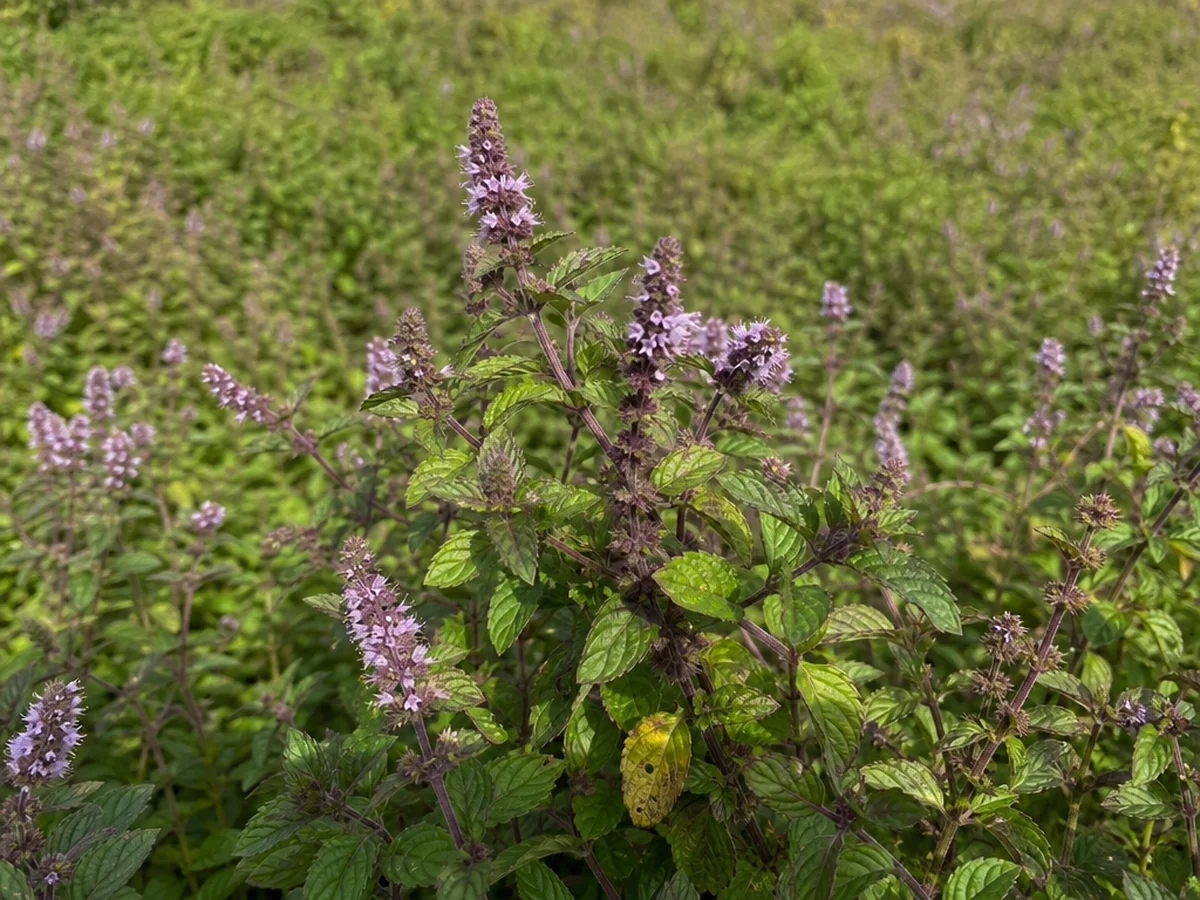
Our advice, as people who like these oils, is to know one bottle well before you collect several. When you have lived with a single oil through a few small projects, you start to recognise how much is too much, which room it suits, and which blends you actually reach for. That knowledge is worth more than any list of fifty ideas.
A word on skin uses
Several of the craft uses involve skin, so dilution matters. The Cosmetic Ingredient Review reports 2017 maximum use concentrations for peppermint oil of up to 5% in leave-on products, 1.9% in rinse-off products and 0.96% in non-coloring hair products, with a recommended maximum dermal level of 5.4% (CIR, 2018). Our guidance is 0.5% to 2% in a carrier oil with a patch test, and we suggest starting at the low end. We would not call 2% a universal limit, since it is above the rinse-off and hair figures, so if you are making a product of your own, check the standards for that product type. Our diluting guide shows the working.
A few people should skip the whole list or ask a professional first. NCCIH advises against applying peppermint oil to the face of an infant or young child, and we say the same (see peppermint oil and children). CIR also notes advice to avoid peppermint oil in cardiac fibrillation and in people with glucose-6-phosphate dehydrogenase deficiency, and if you are pregnant, nursing or have a medical condition, your doctor should hear about it first.
Fifty ideas is a long list; two or three you truly enjoy make a better habit, and peppermint rewards that kind of attention.
Peppermint Essential Oil
Peppermint Essential Oil from our own shop, in sizes from 0.5 oz to bulk.
From $10.99
Shop Now →Sources & Further Reading
- NCCIH, "Peppermint Oil: Usefulness and Safety"
- Alammar et al., "The impact of peppermint oil on the irritable bowel syndrome: a meta-analysis of the pooled clinical data," BMC Complement Altern Med, 2019
- Holloway et al., "Common Home Remedies Do Not Deter Argentine Ants, Linepithema humile (Hymenoptera: Formicidae), from a Preferred Harborage," Insects, 2024
- Du et al., "The impact of emissions from an essential oil diffuser on cognitive performance," Indoor Air, 2022
- Cosmetic Ingredient Review, "Amended Safety Assessment of Mentha piperita (Peppermint)-Derived Ingredients as Used in Cosmetics," 2018